


What’s True and What’s Not

Phuket is a popular destination, and as you can expect, fame comes with stereotypes and a fair share of myths people enjoy spreading online. Sure, there are many hot topics to discuss, and let’s not blind ourselves: not everything is perfect, but Phuket is still a superb island (it is for me, after more than 30 years here).
Let me try to debunk some of the most popular myths about Phuket. As you will see below, they are often the consequence of people only seeing a fraction of the island, making generic statements, and social media doing the rest. I understand that not everyone will agree on the content of this page, but it comes from living here since 1994 and watching this island change firsthand.
All Phuket Beaches Are Crowded
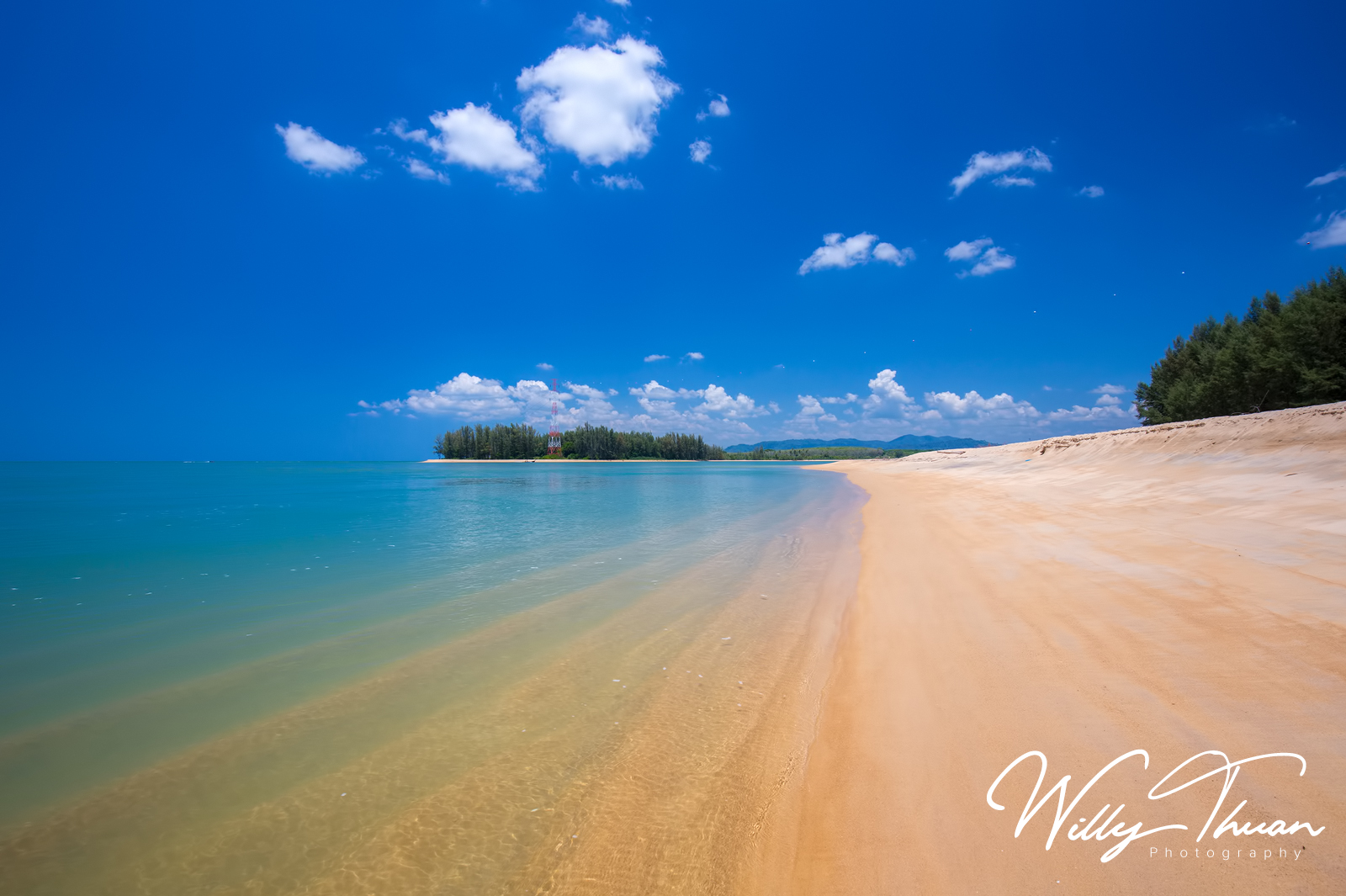
What’s true: ‘The beaches of Phuket are crowded’ is a statement I hear remarkably often. And yes, some of them can be packed, with rows of beach chairs, vendors, jet skis, and parasailing going all day. Those beaches are mostly on the southwest coast. Patong Beach is the obvious one, and during high season, Kata, Karon, Kamala, and even Nai Harn can be full of people. If those are the only beaches you visit, you’ll go home thinking the whole island is overcrowded. That’s what most people do, and that’s why this myth keeps spreading.
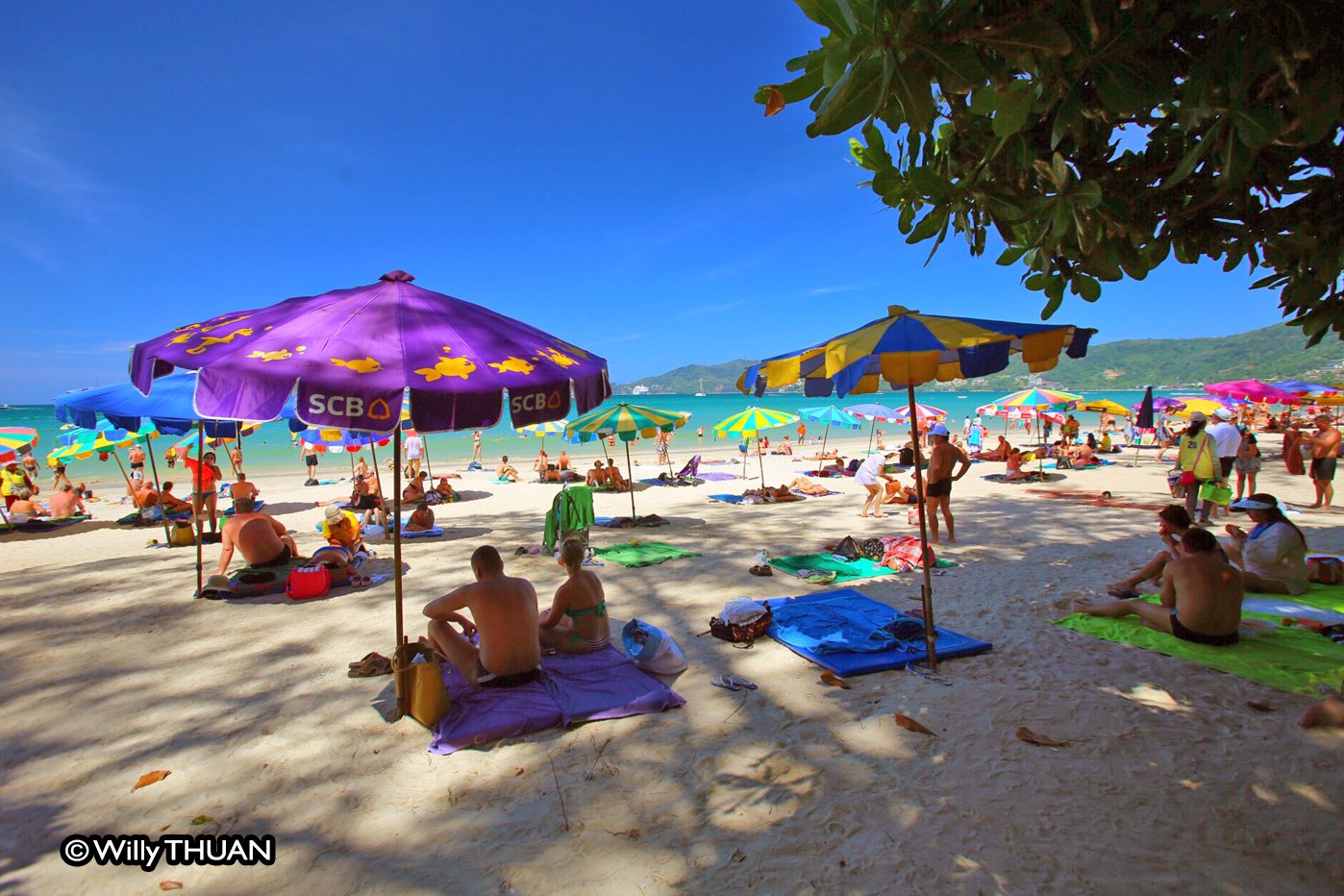
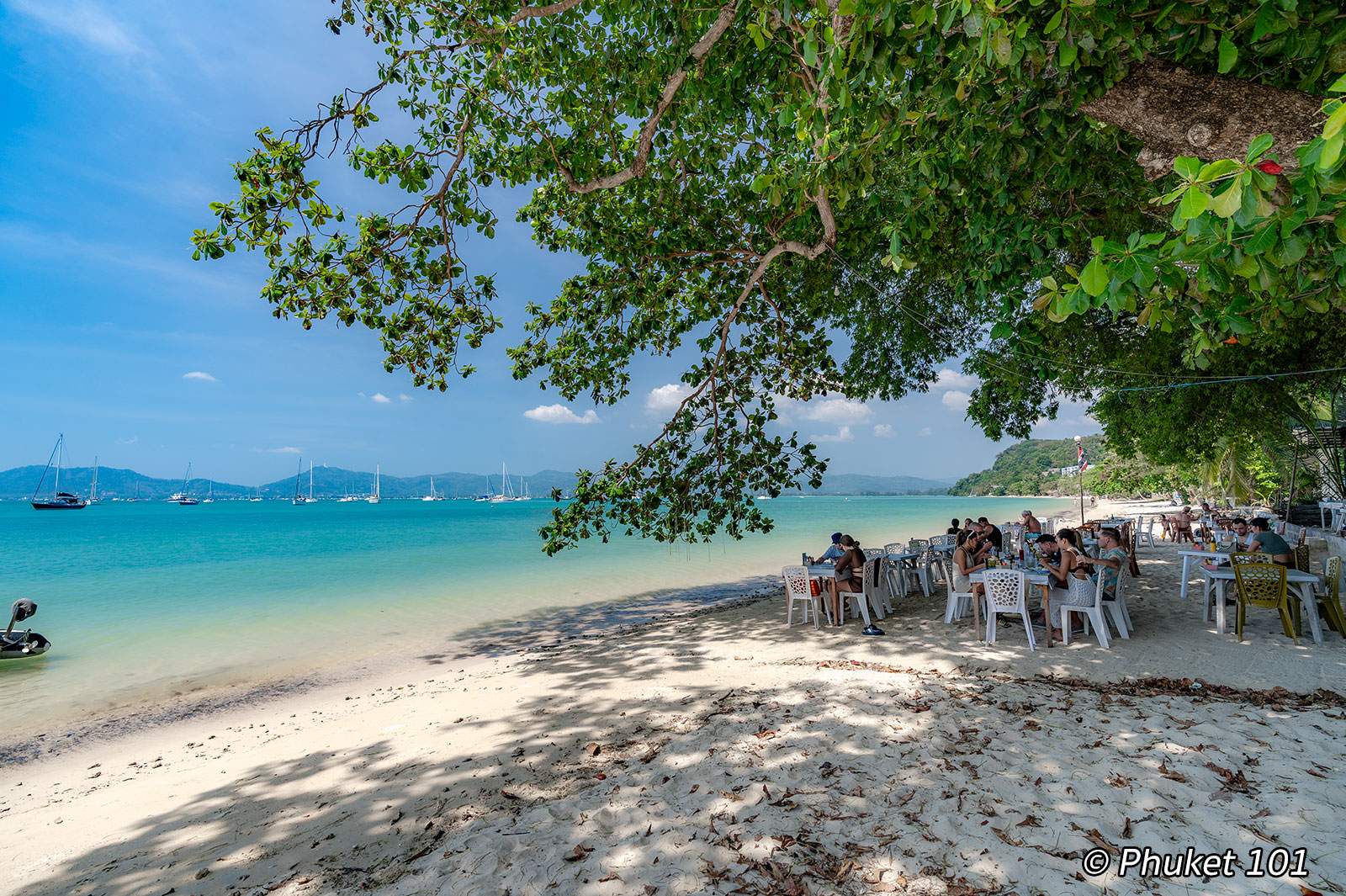
BUT: Phuket has at least 40 beaches, and most visitors see maybe four or five of them. Everything in the northern half of the island ranges from quiet to completely empty. Sai Kaew Beach near the Sarasin Bridge is practically deserted most days. Layan Beach at the top of Bang Tao is still a proper escape. Freedom Beach, just south of Patong, is one of the most beautiful beaches on the island, and it stays quiet because the only easy way in is by longtail boat.
The East Coast is a different world entirely. Ao Yon, Khao Kad Beach, and some beaches I don’t even name publicly are peaceful year-round. I counted 18 beaches that range from quiet to secret, and I wrote a full guide to help you find them. See my list of Phuket’s secret and quiet beaches
Phuket Is an Island for Old Single Men!
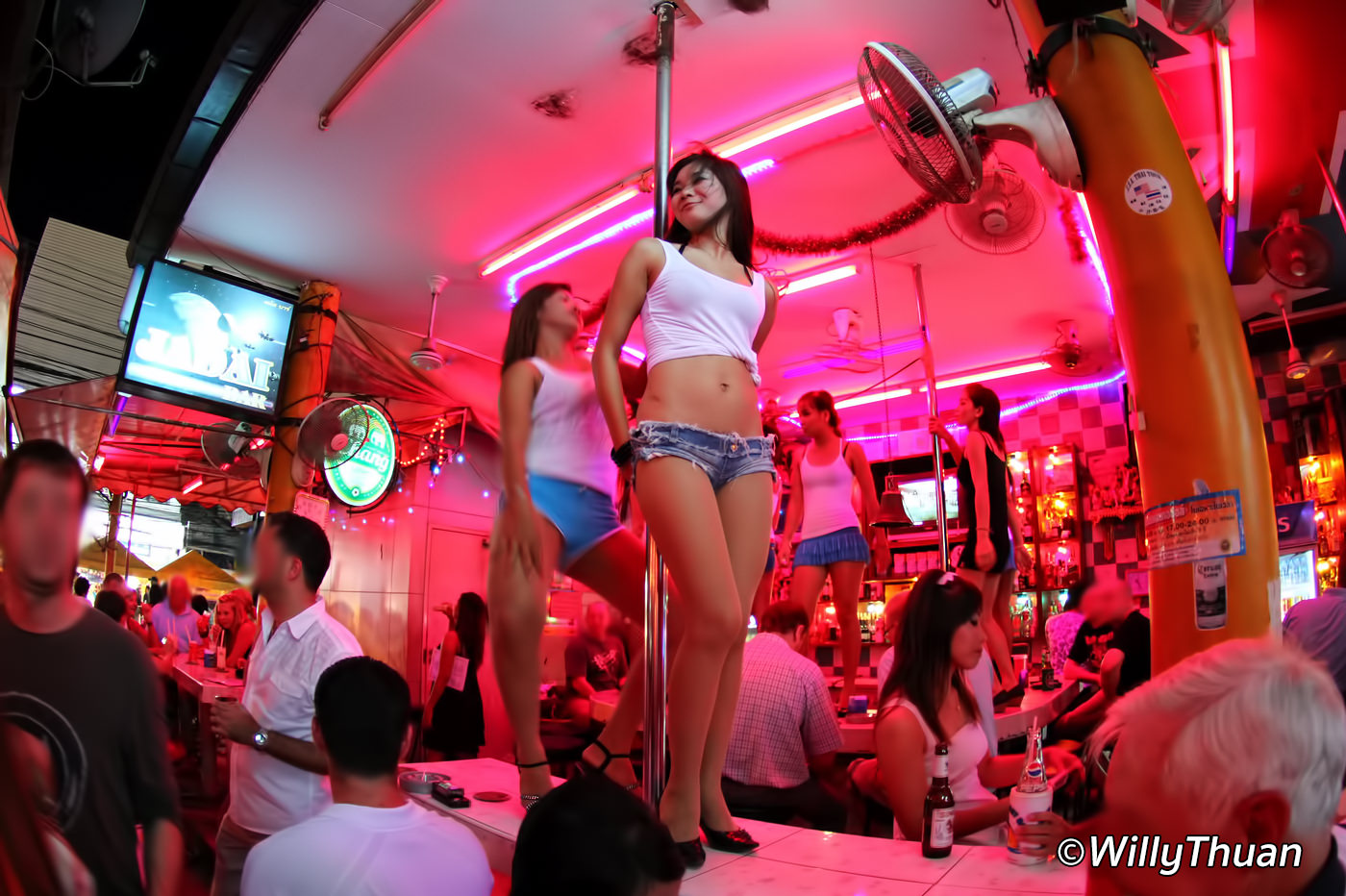
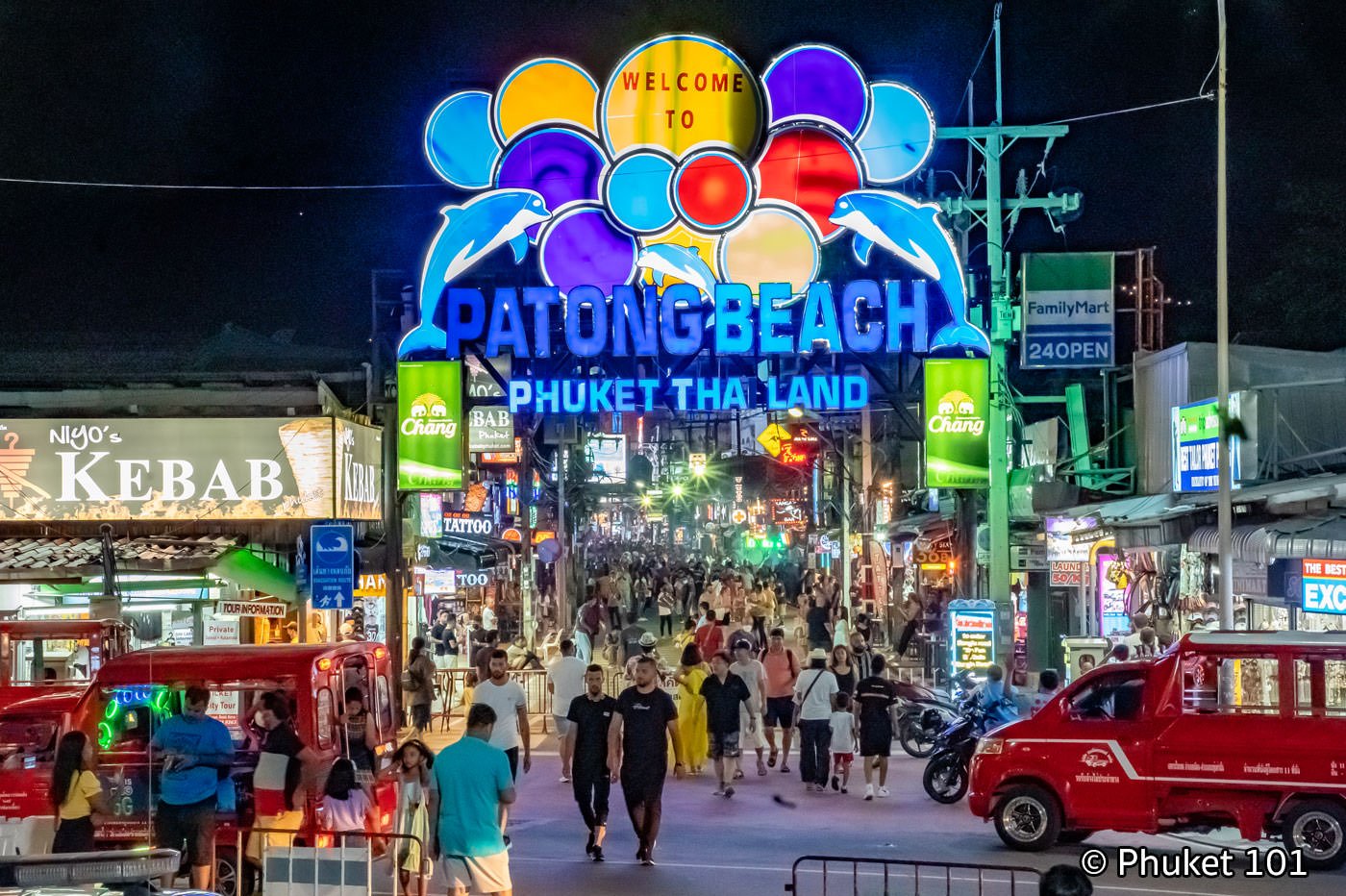
What’s true: Phuket does have a bit of raunchy nightlife. Walk down Bangla Walking Street in Patong Beach, and you’ll see dancers on bar counters, and the old Go-Go bars are still around. It’s the image that stuck to Phuket for decades, and it puts off a lot of people, especially couples and women travelling together.
BUT: That scene is a fraction of what it used to be. Bangla itself has shifted toward a party atmosphere where couples walk through, take photos, and have a drink. The Go-Go bars still exist, but they’re outnumbered now by nightclubs, live music venues, and cocktail bars. The stereotype of Phuket as a destination for older single men comes from the 1990s and early 2000s. It hasn’t fully disappeared, but it’s now a tiny corner of the island that you’d have to go looking for. Most visitors never encounter it at all. Read about Patong Nightlife
Phuket Is Only for Travellers Who Want to Party

What’s true: Patong is loud, and Bangla Walking Street is the centre of it. If that’s all you see, you’ll assume the whole island runs on loud music and late nights.
BUT: Patong is one town on a large island, and even Patong has a quiet side once you move away from Bangla. Step outside of it, and the contrast is immediate. Kata and Karon are calm after dark. Bang Tao and the Laguna area attract families and couples. Phuket Town has its own evening scene with small bars, live music, and the Sunday Walking Street Market that fills the old streets with families every week.
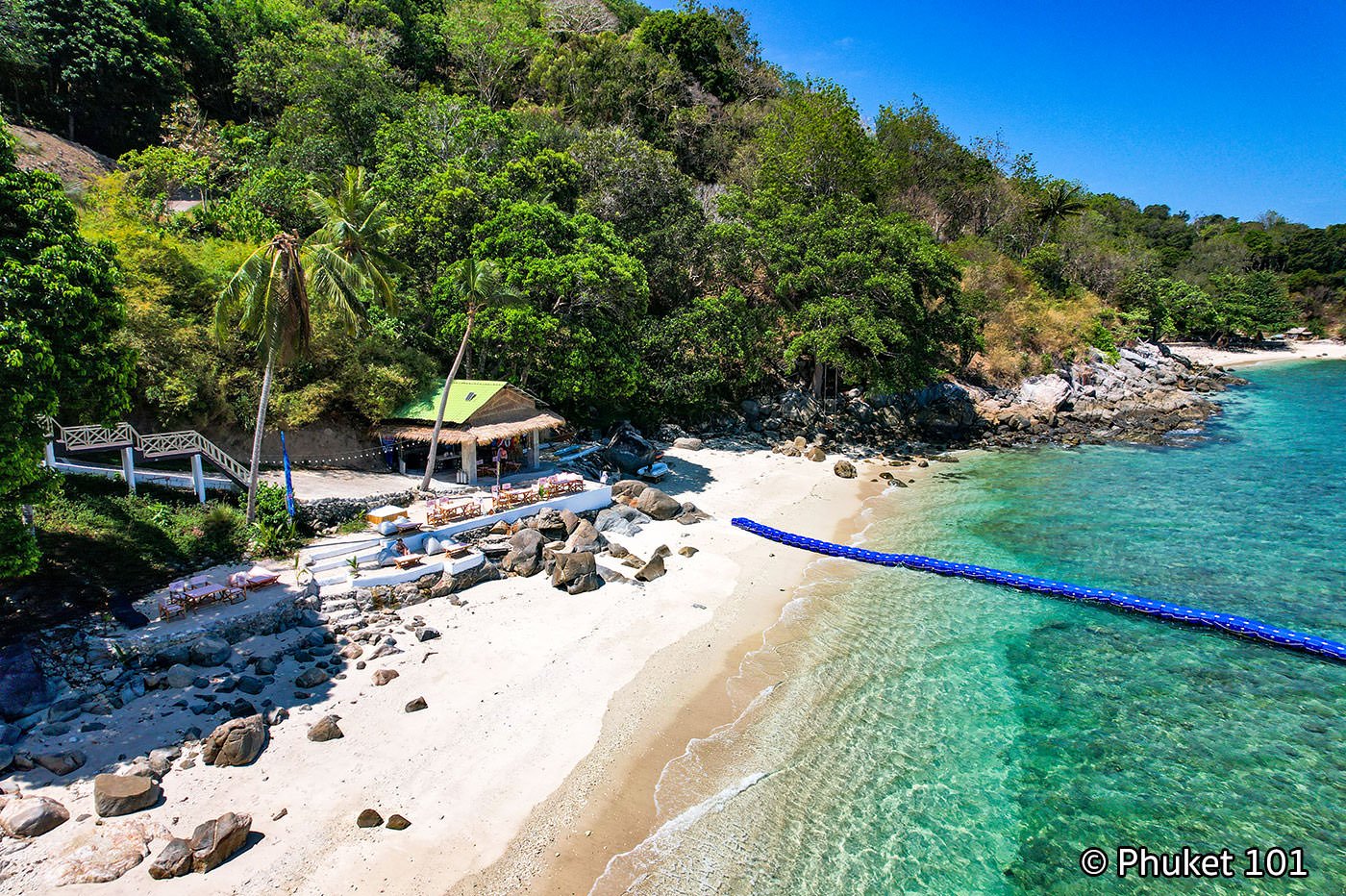
Phuket has dozens of rooftop bars, beach clubs, and sunset restaurants where the atmosphere has nothing to do with the party reputation. The island is one of the top family destinations in Southeast Asia, with kids’ clubs, water parks, and beach resorts specifically designed for travelling with children.
The party is there if you want it. But most of Phuket goes to sleep early.
Phuket Is Expensive
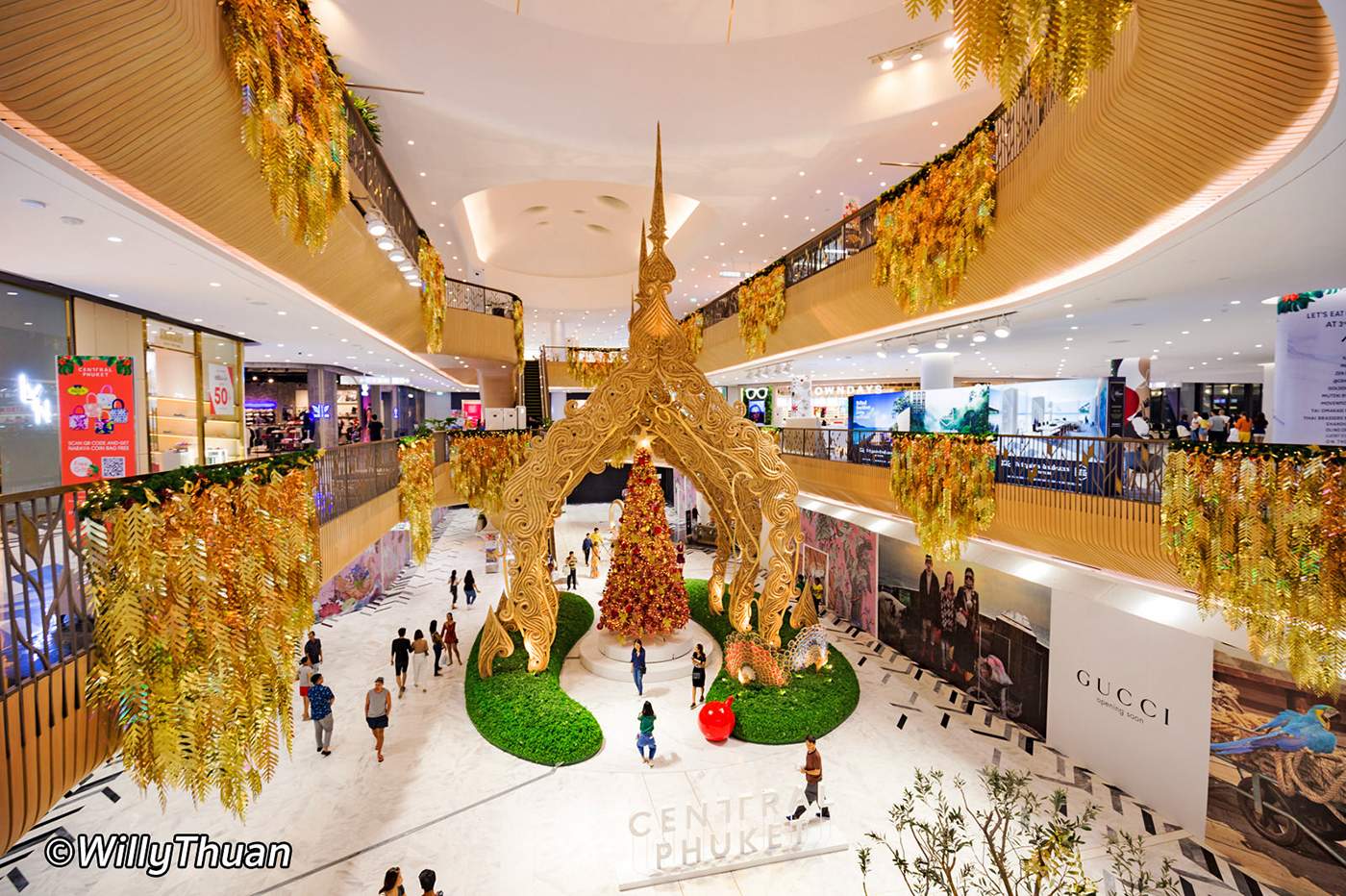
What’s true: The tourist hubs of Phuket can be more expensive than the rest of Thailand. There are now luxury malls where prices are almost as high as in your home country. Transportation is also known to be ridiculously expensive, and that hasn’t changed. A tuk-tuk ride that should cost 100 Baht can easily be quoted at 400 or 500 Baht if you don’t know better.
BUT: Get away from Patong Beach, and everything gets cheaper. Go to the east coast or the north part of Phuket, and you’ll be surprised by how prices change. A full meal at a local restaurant in Phuket Town or on the east coast can cost a fraction of what you’d pay for the same dish on the beach road. The gap is enormous.

The real trick is knowing where to look and how to get around. Grab and Bolt apps have made transport much more affordable than the old tuk-tuk system, though tuk-tuks are still everywhere. If you travel with a limited budget, you must avoid the tourist traps. I wrote two pages to help with that: travelling in Phuket on a small budget and Tips to Save Money in Phuket.
All Thai Food Is Spicy
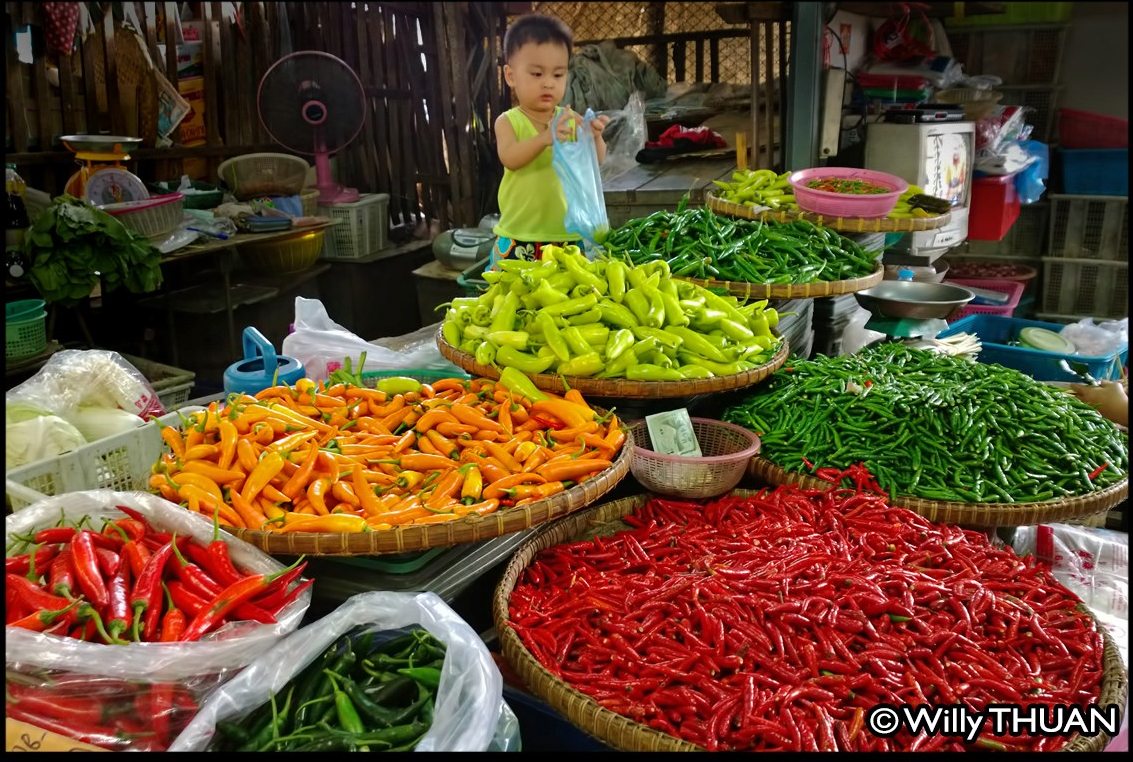
What’s true: Thai food is indeed spicy, and Phuket is known for preparing some excellent but fierce dishes like Gaeng Som and Kaeng Pa (also known as Jungle Curry). These southern dishes are so evilly spicy that even Thai people talk about them with a laugh. Southern Thai food is actually famous all over Thailand, and if you can take the heat, Phuket is one of the best places to try it. There are quite a few local restaurants that specialise in authentic southern cooking, and they’re worth the adventure.
BUT: There are also a lot of great recipes that don’t use any chillies at all. The most popular is the beloved Pad Thai, and the delicious chicken rice is another safe bet (see Phuket Town Chicken Rice). Most restaurants in the tourist areas already cook milder versions for foreign visitors, so you actually have to ask for real spicy, not the other way around.

If you’re eating at a local place and want to play it safe, say ‘Mai Ped’ (not spicy) or ‘Mai Sai Prik’ (don’t add chilli) for extra certainty. But don’t aim at the next McDonald’s out of despair. The non-spicy Thai dishes are some of the best food you’ll eat anywhere.
And if you need a break from Thai food altogether, most beach areas now have excellent Western restaurants, from Italian to French to Japanese. This is especially useful if you’re staying for a week or more and want some variety. See a list of great Thai Food
You Should Avoid Ice Cubes at Any Cost

Ice in Phuket comes from certified water factories, and unless your stomach is very sensitive, it is perfectly safe. The tube ice and crushed ice you see in every restaurant, bar, and street stall all use filtered water. Don’t be surprised if a waitress adds ice cubes to your beer without even asking. It’s such a common practice here, and if you stay in Thailand long enough, you’ll start doing it yourself because with the heat, beer gets warm fast.
Some restaurants even serve Beer Woon, which is basically a beer slurpee. The first time you see one, it looks completely wrong. It’s actually great, and on a hot afternoon, it makes perfect sense. Try it before you judge it.
Tap water is also filtered, and while no one would drink it straight, locals and expats casually brush their teeth with it. I’ve been doing the same since 1994. Read about safety in Phuket.
You Should Bargain for Everything
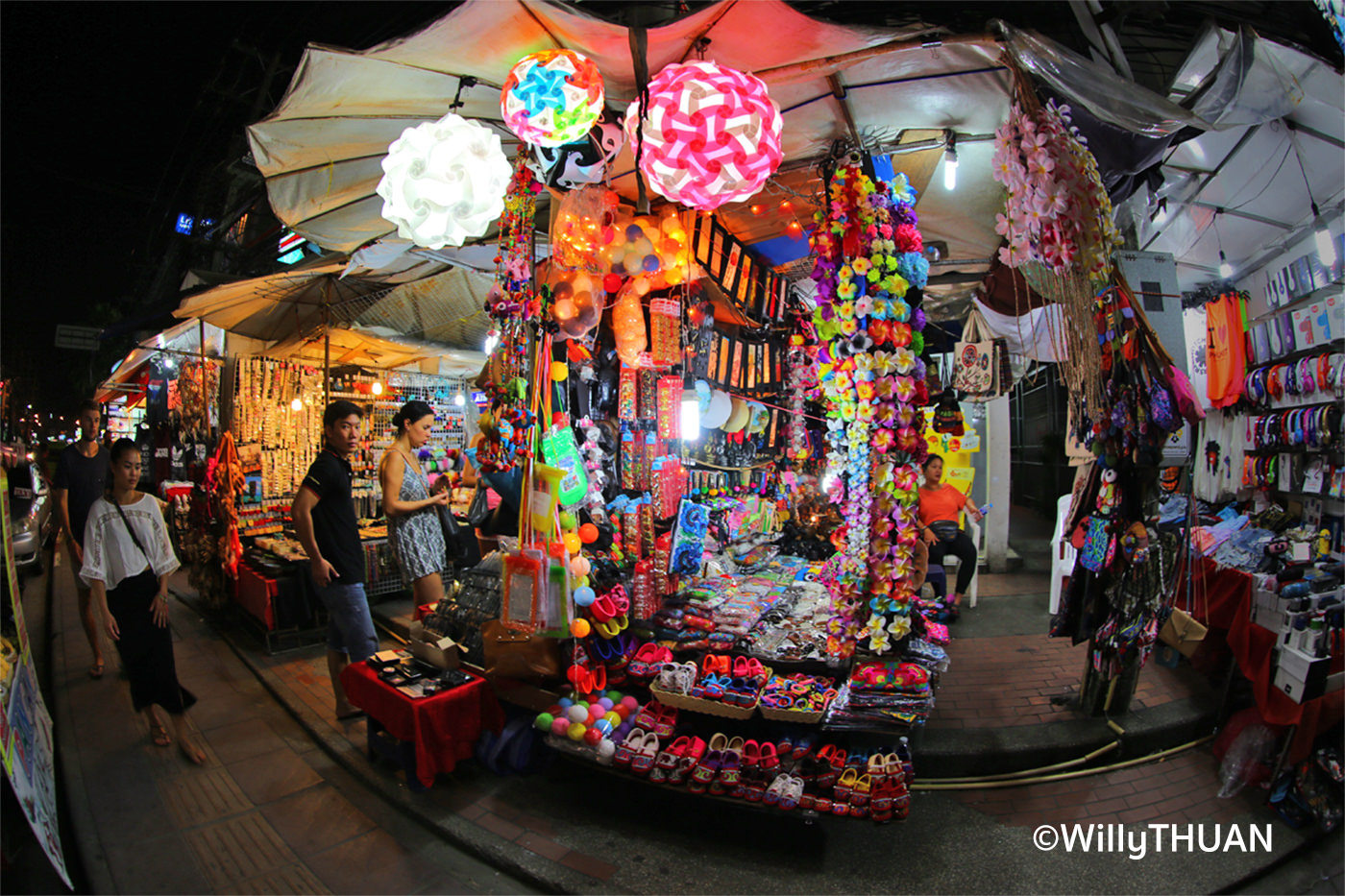
TRUE: If you shop at the market or in the street, you should bargain hard, but you will be surprised how little you will need to do during your holiday. Bargain with your tuk-tuk as well.
BUT: Don’t haggle at convenience stores, restaurants or even bars. Shopping malls are a bit tricky: you won’t have to in the main shop, such as department stores, but you should do it at the small stands and electronic shops.
All the Goods in Phuket Are Fake
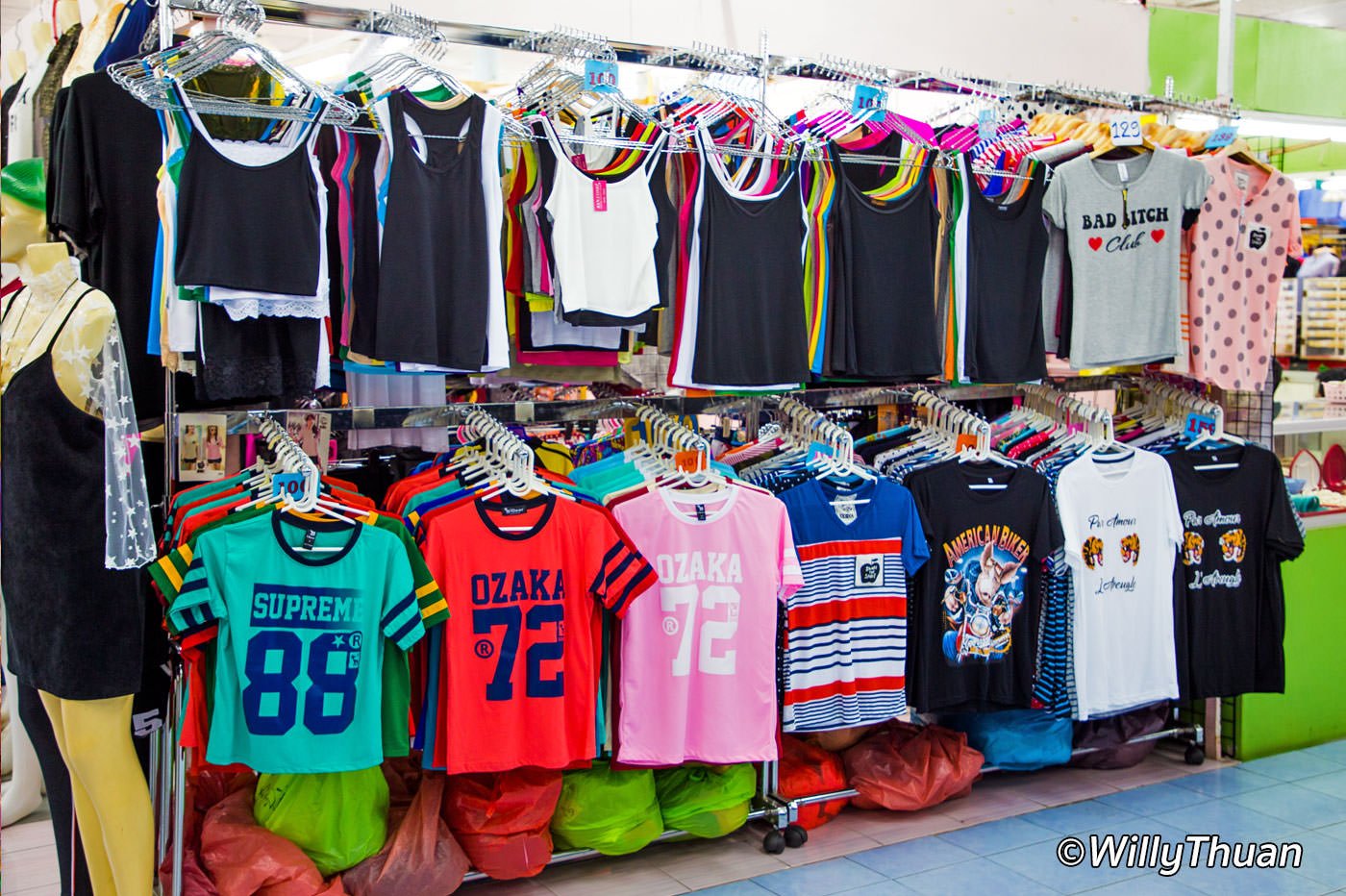
What’s true: If you’re looking for copies of designer brands, you’ll find them without much effort in Phuket’s markets and street shops. You’ll mostly see brand names printed on t-shirts, but it’s always the same t-shirt, not particularly well-made. You pay for quality, so don’t be surprised if they don’t survive a few washes. Fake bags, watches, and perfumes still exist, but the selection has shrunk over the years, and the quality is rarely convincing.
BUT: Phuket’s shopping has changed dramatically. Central Phuket is now a serious mall with real international brands, a department store, and a good food hall. Jungceylon in Patong has been renovated and upgraded. There are also outlet shops and brand stores scattered across the island that didn’t exist ten years ago. If you want genuine products, they’re easy to find now.
The fake goods are still around at the night markets, and some people enjoy buying cheap souvenirs there; that’s fine. But the idea that everything in Phuket is fake hasn’t been true for a long time. Read about night markets
It Rains Every Day During the Rainy Season

Not a day passes that I don’t receive a message asking how much it will rain during the low season, as I call it here. It’s a permanent worry for first-timers, and probably the question I’ve answered the most in 30 years.
What’s true: It can rain at any time, any day, and tropical rains can be as intense as they are short. The sea is often rough on the west coast, so if you plan to come during the low season, try to book a hotel with a good pool. The real risk is the occasional sequence of 3 to 5 rainy days. These don’t happen often, but when they do, it can feel like the holiday is ruined.
BUT: Most days during low season are perfectly fine. Blue sky mornings are common, and when rain does come, it’s often a short, heavy shower in the afternoon that clears within an hour. I’ve had some of my best days on the island during low season, with empty beaches, lower hotel prices, and green everywhere. The island looks its best after rain.
The honest answer is that nobody can predict when it will rain, not even the weather apps. But the odds of getting a full week of non-stop rain are very low. And if you do get a rainy day, I wrote a whole page about things to do in Phuket when it rains. What to expect during the rainy season in Phuket
Phuket Has No Culture, Just Beaches
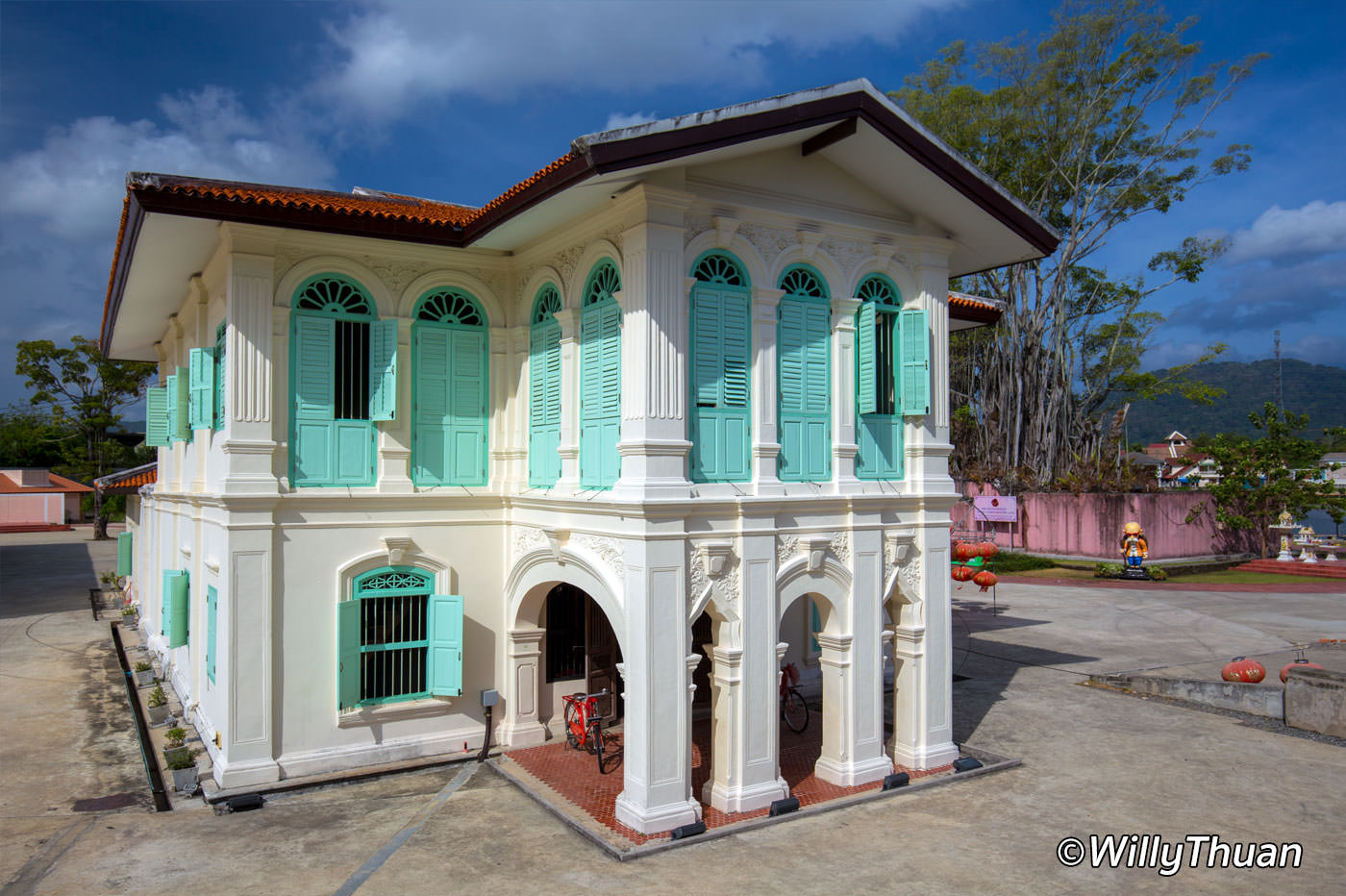
What’s true: Phuket is better known for beaches, warm weather, and nightlife. Culture is not what people have in mind when they book a flight here, and nobody is going to pretend otherwise.
BUT: This one genuinely frustrates me, because it’s said by people who never left the beach road. Phuket has a deep history that goes back centuries, long before the first tourist showed up. The island was a major tin mining centre, and Chinese, Malay, and Portuguese traders shaped its culture in ways you can still see today.
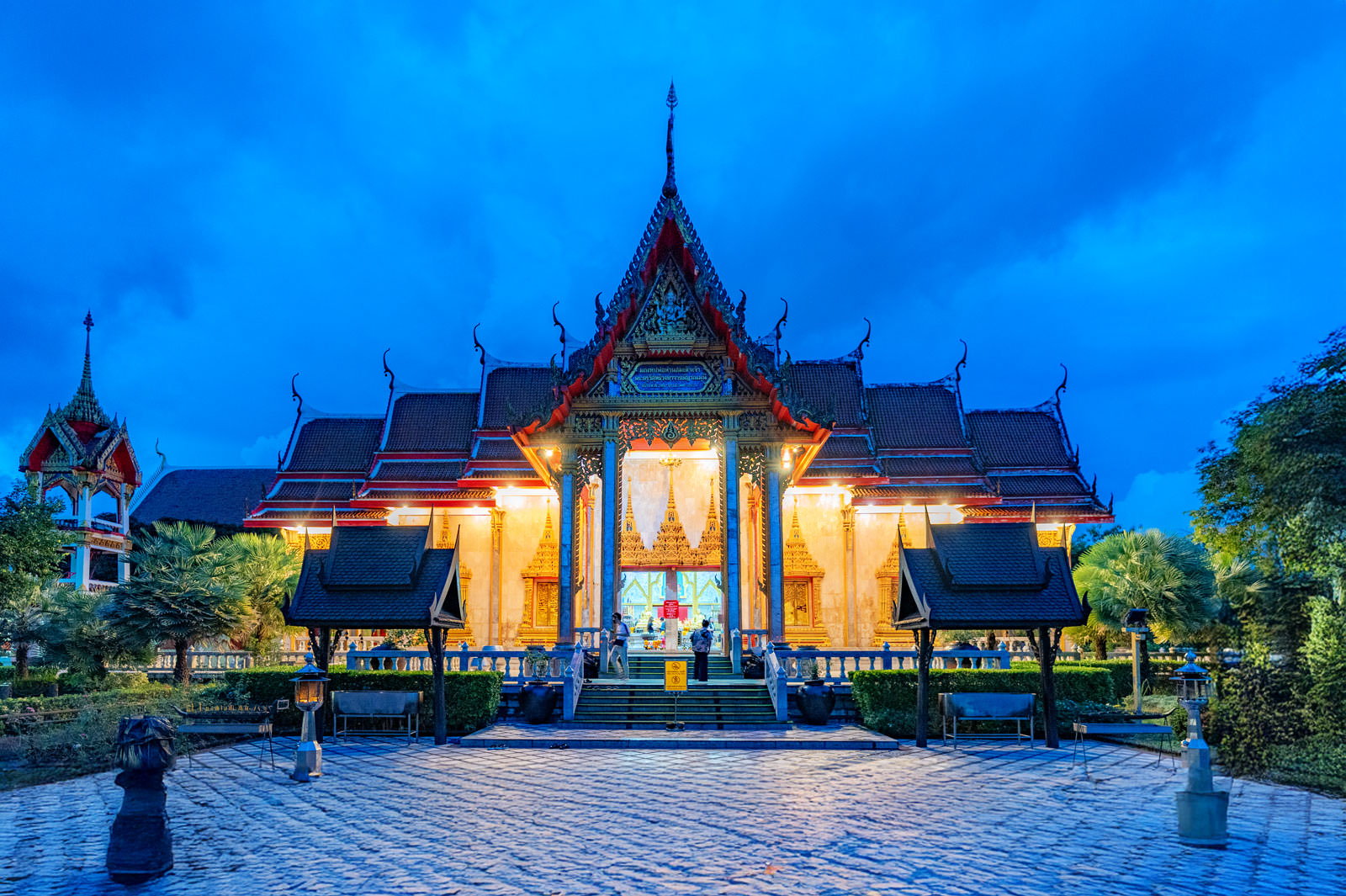
Old Phuket Town is the best place to start. The Sino-Portuguese mansions on Thalang Road, Dibuk Road, and Soi Romanee are some of the most beautiful heritage buildings in Southeast Asia. These aren’t museum pieces behind ropes. People live and work in them. Cafes, galleries, and small shops operate inside buildings that are over a hundred years old. Walk through on a Sunday evening during the Walking Street Market, and you’ll feel a completely different energy from the beach areas.
The temples and Chinese shrines are real, active places of worship, not tourist attractions with entry fees. Wat Chalong is the most visited, but smaller shrines like Jui Tui and the Shrine of the Serene Light in Phuket Town are where the local community gathers. If you visit during the Vegetarian Festival in October, you’ll witness one of the most intense and authentic religious events in all of Thailand, with street processions, spirit mediums, and firecrackers that shake the ground. It has been happening here since the 1800s.
Then there’s the food. Restaurants like Mor Mu Dong, Bang Pae Seafood, and Ko Ang Seafood have been cooking the same dishes for decades, for local families who come back every week. This is the real Phuket that exists alongside the beach clubs and shopping malls. It hasn’t gone anywhere. You just have to look for it.
I built an entire section of this site dedicated to this side of the island: local restaurants, temples, shrines, mansions, and museums. See The Real Phuket.
Eating in the Street Will Make You Sick
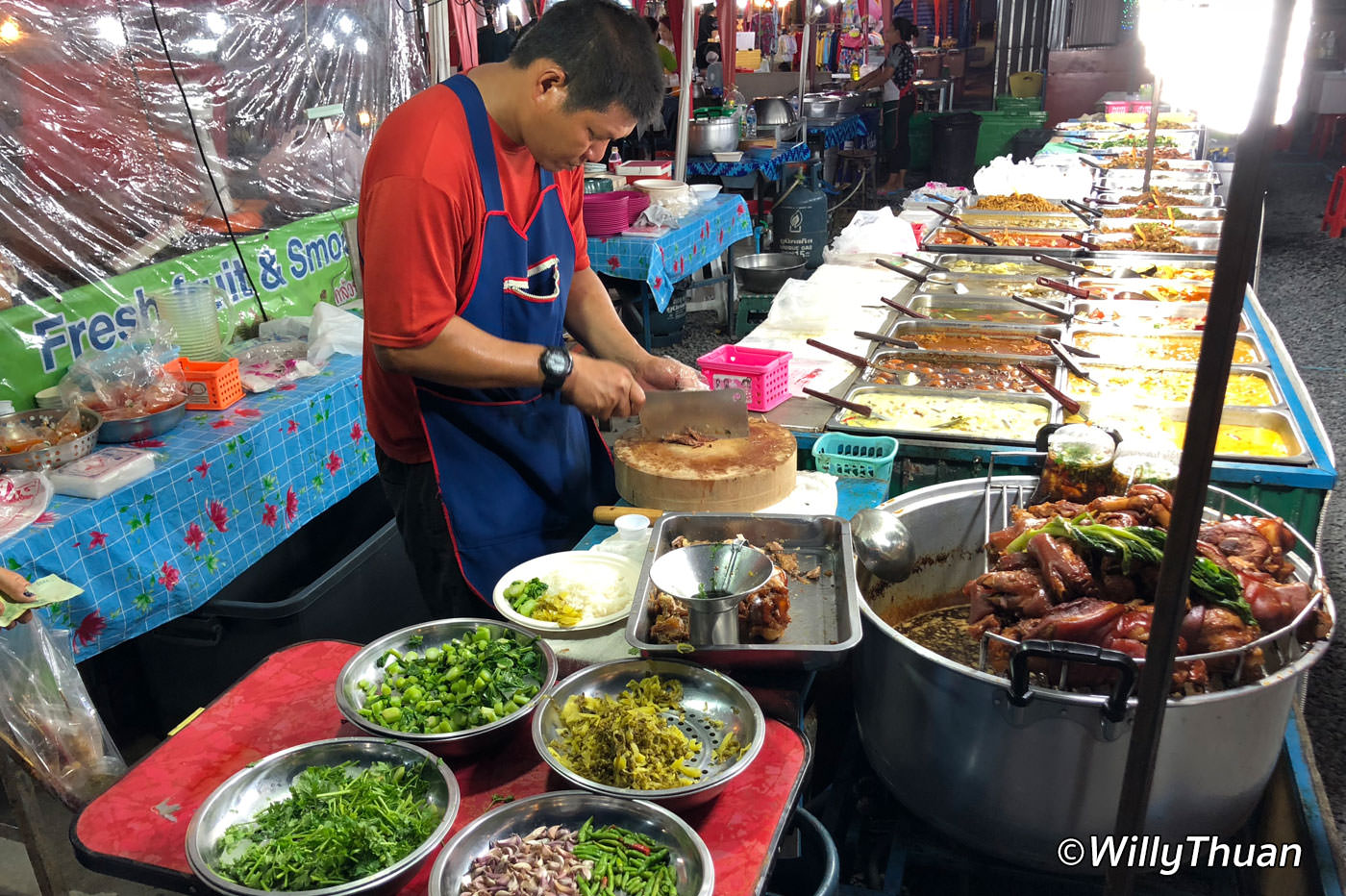
What’s true: I understand the hesitation. When you walk into a local restaurant in Phuket and see stained walls behind the wok, a basic concrete kitchen, and cooking equipment that looks nothing like what you’re used to at home, your first instinct is to turn around. I came from France, a country that takes its kitchen hygiene very seriously, and I had exactly the same reaction when I first arrived. The look of these kitchens can be a shock.
But here’s what I learned after 30 years: a blackened wall behind a wok just means someone has been cooking at extreme heat on that same spot for a very long time. It’s not dirt, it’s decades of flame and oil. The kitchens don’t look polished, but the food is fresh, cooked to order, and prepared at temperatures that kill bacteria more effectively than most enclosed kitchens you can’t see into.
BUT: Street stalls and local restaurants buy their meat and vegetables every morning at the same markets where the big hotel restaurants get theirs. The food is cooked fresh in front of you, and the turnover is fast; nothing sits around for hours. I’ve been eating at these places since 1994 and can count the bad experiences on one hand.
More importantly, this is where the real Thai cooking happens. It’s cheap, it’s fast, and it’s a lot more authentically Thai than the tourist restaurants in Patong that serve pad thai with ketchup. The night markets and local food stalls are where Thai people actually eat. If a stall is busy with locals, that’s your quality guarantee.
Follow your instinct. If a place looks busy and the food smells good, eat there. The appearance of the kitchen is not the measure you think it is. See my list of excellent street food and about safety in Phuket.
Phuket Is Overdeveloped
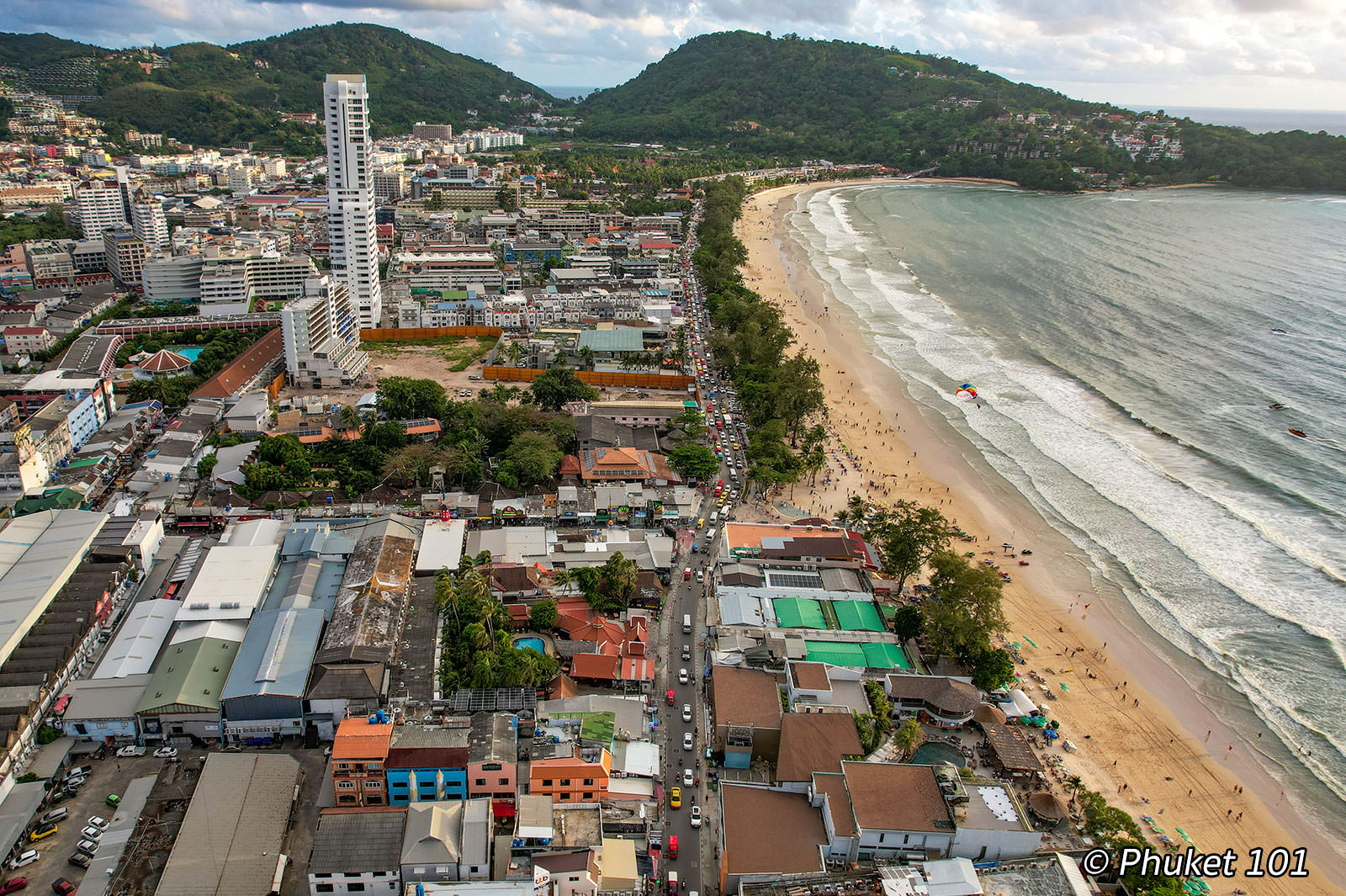
What’s true: This one is hard to argue against, and I’m not going to try. After more than 30 years on this island, I’ve watched Phuket change dramatically. Construction is everywhere. Traffic jams are massive and getting worse. New condos and hotels go up faster than the roads and water supply can handle. Getting from Patong to the airport can take well over an hour during peak times, and even short trips across the island that used to take 20 minutes now take three times as long.
The population has grown enormously, and the real number of people living here is probably far higher than the official figures suggest. The infrastructure, the water supply, and the waste management have all failed to keep up with the speed of development. Parts of the island are almost unrecognisable compared to ten or fifteen years ago. Long-term residents openly say the island is being built beyond what it can sustain, and I agree with them. It’s the single biggest challenge Phuket faces right now, and pretending otherwise would be dishonest.
BUT: There are still parts of Phuket that have been spared, even if they are getting fewer. The East Coast remains noticeably calmer. The Panwa area, Khao Kad Beach, Makham Beach, and Heewawat Beach still feel like a different island compared to the west coast. Up north, Mai Khao Beach and Haad Sai Kaew are long, peaceful stretches of sand where you can walk without seeing a crane or hearing construction noise.
Old Phuket Town hasn’t been bulldozed for condos either. It’s protected, lived in, and still feels like the Thailand I moved to in 1994. The temples, the old mansions, the family restaurants cooking the same food for generations, they’re still there. I cover them in detail on my Real Phuket pages.
I won’t tell you that Phuket is the same island it was 20 years ago. It isn’t. But if you make the effort to explore beyond the obvious tourist zones, you’ll find that the quiet, authentic Phuket still exists in pockets. I’ve mapped out 18 secret and quiet beaches that prove the point. See my guide to Phuket’s secret beaches.
Phuket Doesn’t Feel Like Thailand Anymore
What’s true: Walk around parts of the West Coast, and you’ll see signs in Russian, menus in Russian, businesses run by foreigners for foreigners. Some areas do feel like they could be anywhere in the world. It’s a fair criticism, and as someone who has lived here since 1994, I notice it more than anyone.
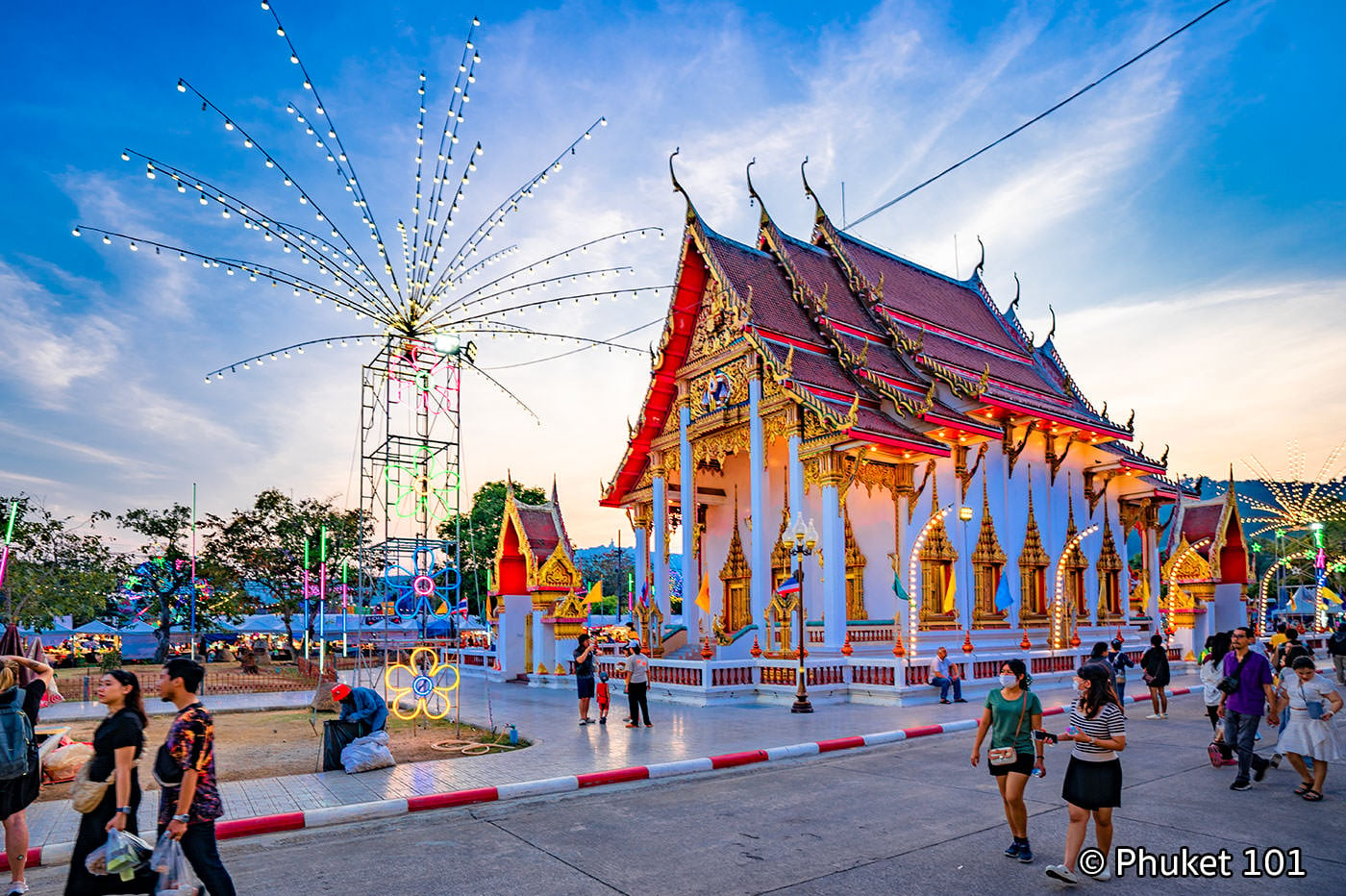
BUT: The real Phuket is still very much here if you know where to look. Phuket Town has kept its character, with Sino-Portuguese mansions, Chinese shrines, and walking streets that haven’t changed much in decades. The East Coast restaurants, places like Kruvit Raft, Mor Mu Dong and Bang Pae Seafood, have been serving the same local families for years. Temples like Wat Chalong are still active and peaceful. The Vegetarian Festival is still as intense as ever.
I built an entire section of this site to help you find those places. See The Real Phuket.
Phuket Beaches Are Dirty
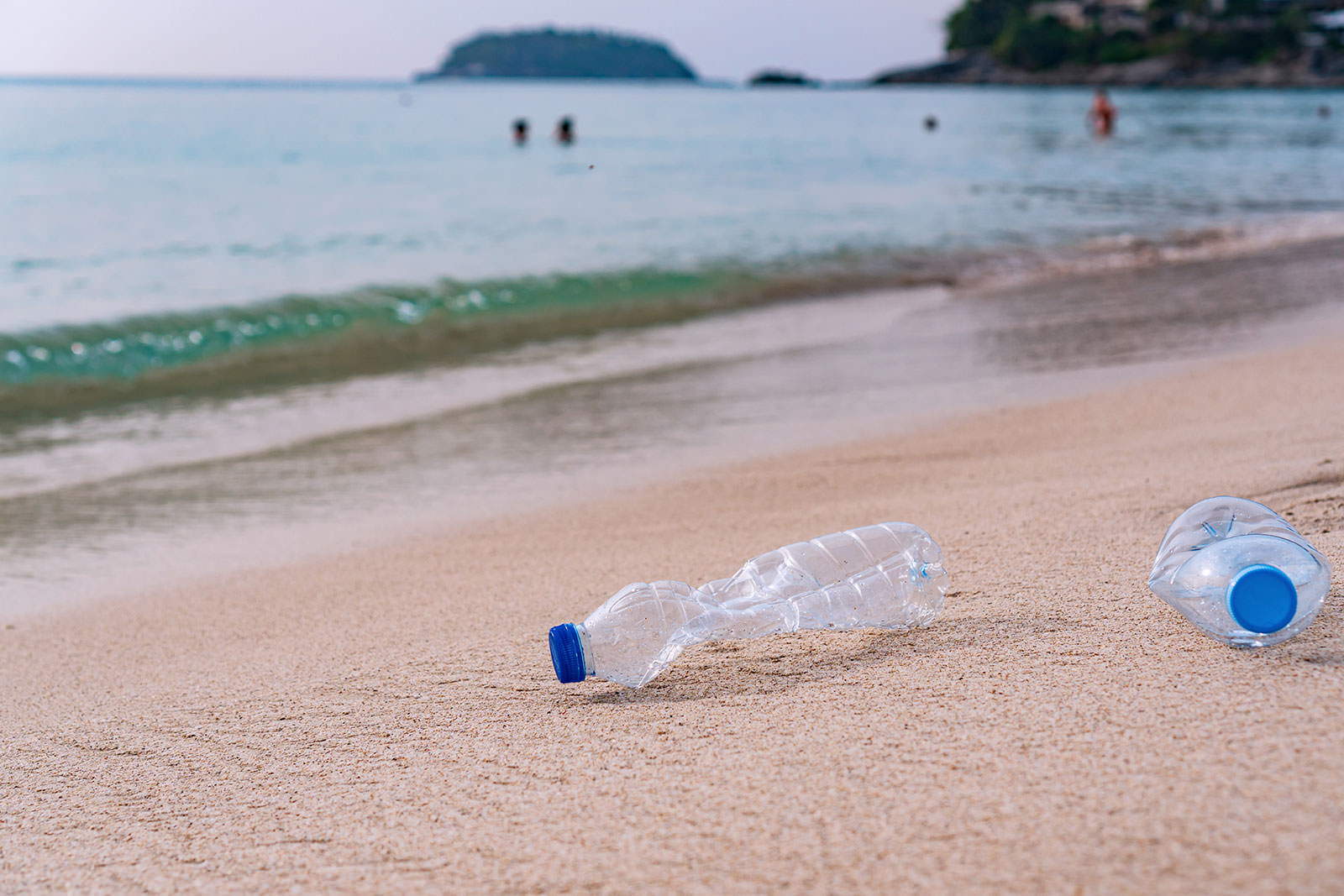
What’s true: You will occasionally find debris on Phuket beaches, especially during the monsoon season from May to October. Strong tides bring material from far out at sea, sometimes from other countries entirely. That’s normal on any coastline facing open ocean. During low season, smaller beaches don’t get cleaned as often because island activity drops and crews focus on the main tourist beaches first. There simply aren’t enough people to clean 40 beaches every day. It’s not negligence or bad mentality, it’s just reality. And like almost anywhere in the world, there will always be some unscrupulous people dropping their trash in a hidden corner.
BUT: Some perspective helps. I’ve seen tourists spot three abandoned bottles on a long, empty beach and write online that Phuket is filthy. That’s not a dirty beach, that’s three bottles. More importantly, tourists themselves are often the biggest source of rubbish on the beaches, especially after events and busy weekends. During high season, the popular beaches are cleaned daily and look great.
If you visit a quiet beach after a storm and find some driftwood and plastic washed up, that’s the ocean, not Phuket.
First Time in Phuket?