


Frequently Asked Questions about Phuket

I’ve been running this blog and a popular Facebook page for over 10 years, so I inevitably have to answer many questions. I do my best to answer them. Here are some of the most frequently asked questions about Phuket. Please be aware that answers vary a lot from person to person, and each situation is different, but the answers below should cover the basics.
1. Why is Phuket famous?
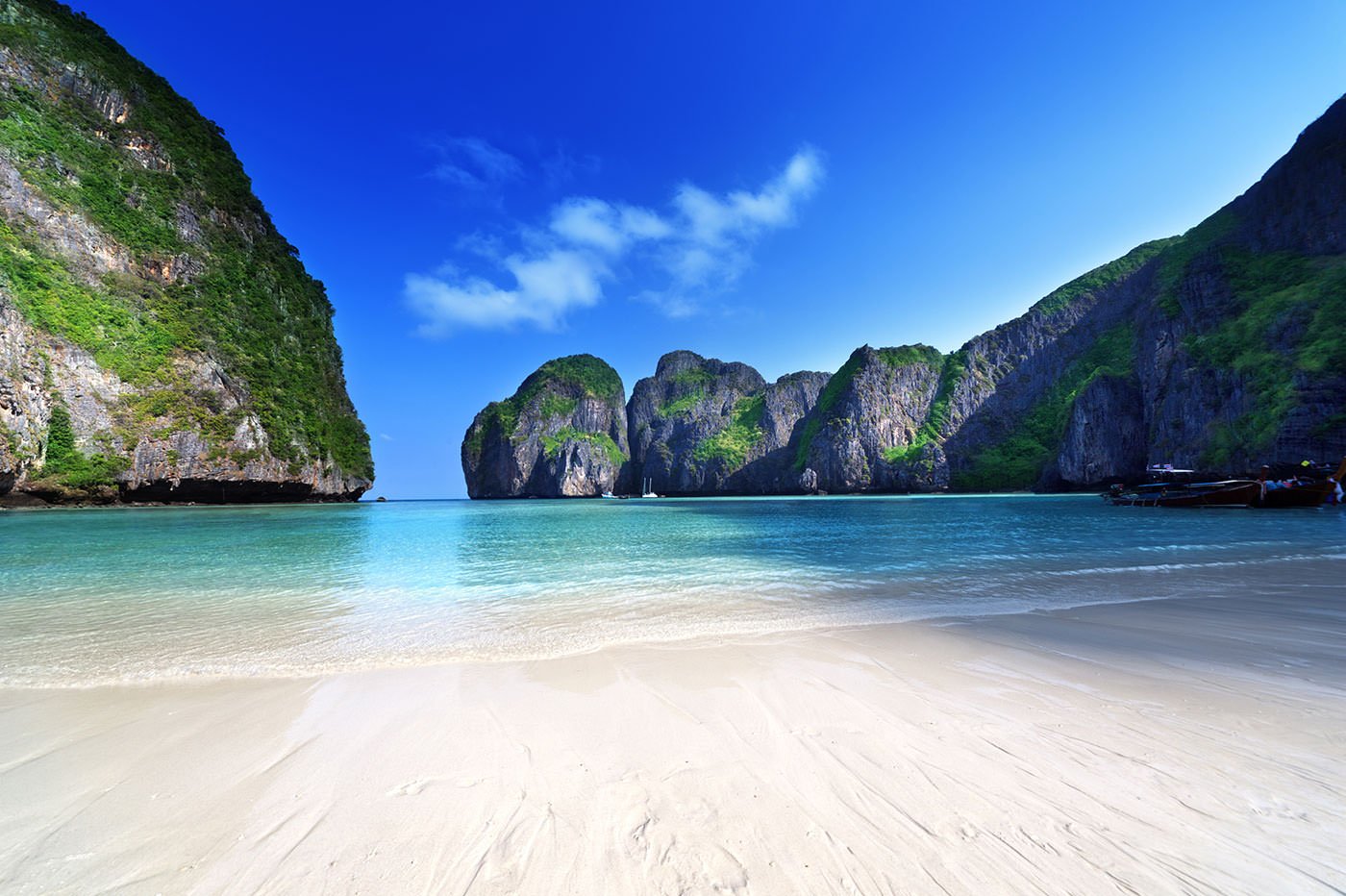
Phuket is famous for its beautiful beaches and clear waters, which make it a popular destination for sun-seekers and beach lovers. It is also known for its diverse range of attractions, including national parks, temples, and nightlife. Phuket is a popular starting point for tours to nearby islands and the famous Phi Phi Islands, known for their scenery and marine life. Overall, Phuket’s combination of natural beauty and a vast choice of activities makes it a popular destination for tourists from around the world.

2. How many days would I need on average to visit Phuket?
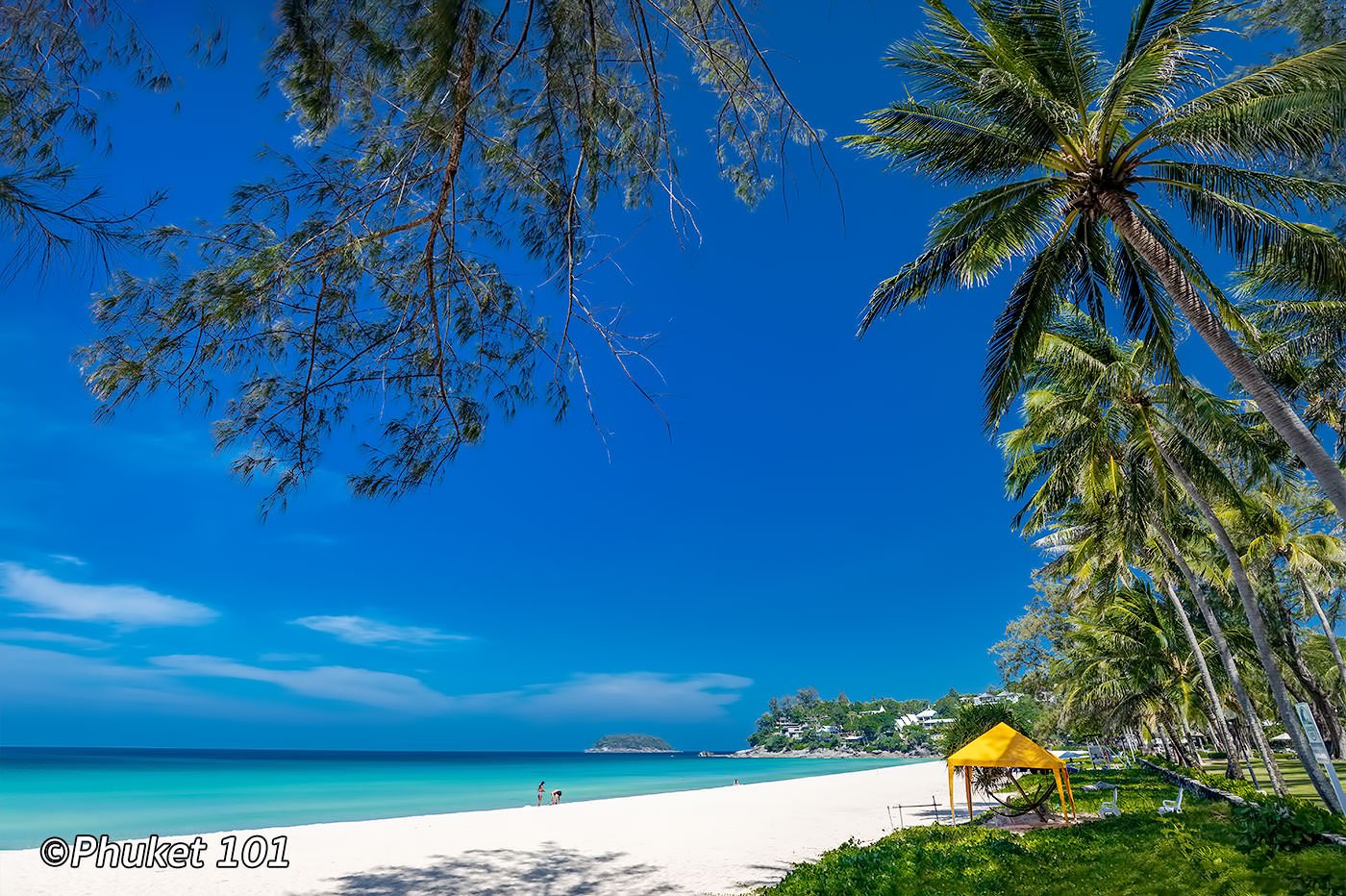
The average time to visit Phuket is usually around 4-7 days. This allows for enough time to explore the island’s beaches, forests, and cultural attractions and participate in some of the popular tours and activities. Of course, the length of your visit can also be shorter or longer depending on your interests and available time.
3. How much money should I bring to Phuket?
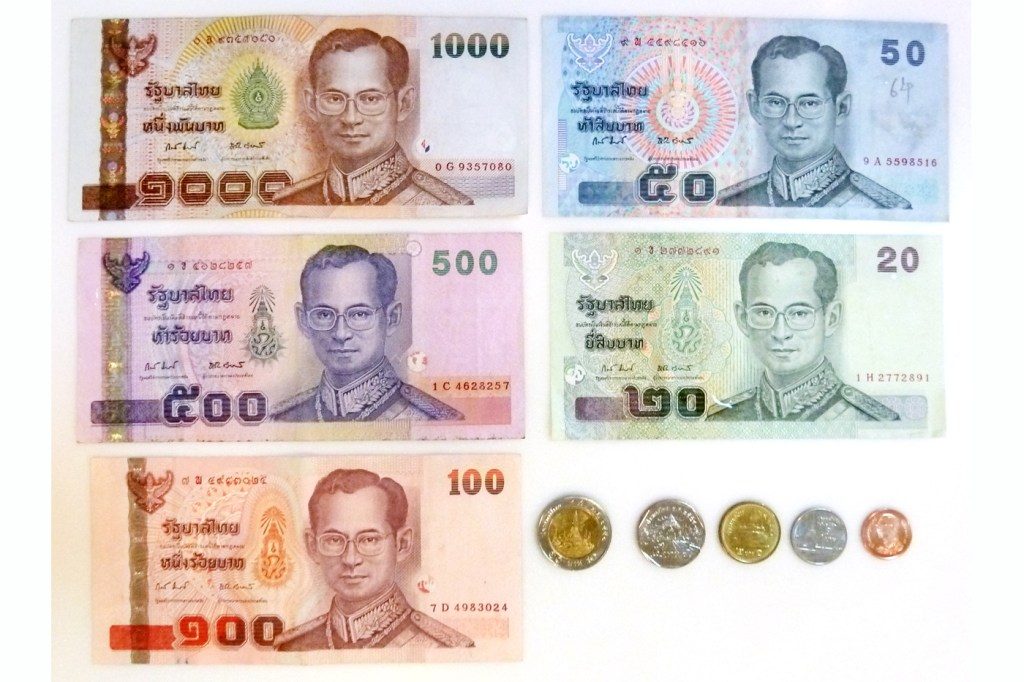
One of the most frequently asked questions and probably the strangest one, since everyone’s lifestyle is different. So here is my recommendation: don’t bring more money than necessary if you have an ATM or credit card. There are more ATMs in Phuket than flies on a horse, and the exchange rate isn’t bad, so why carry too much cash? Also, many shops and restaurants now accept credit cards without an extra charge.
4. Is 1,000 baht a lot in Thailand?

If you travel to Thailand on a budget, 1,000 baht will mean a lot to you, and I get the question several times. There are several ways to look at it. If you travel on a strict small budget, yes, you can have a good holiday in Phuket with just 1,000 baht per day, but it will require careful spending. You can stay in a hostel, eat like locals, drink reasonably and enjoy beaches, temples and the many places that require little or no spending. Use the bus to get around or rent a cheap bike. Phuket is more expensive than the rest of the country, but you will be surprised how much you can do with just 1,000 baht per day. If you already have a hotel, 1,000 baht is a decent amount of money in Phuket; you can eat at restaurants, enjoy nightlife and go around with a tuk-tuk. It’s not a luxury, but you can do a lot more. I wrote a full page about visiting Phuket with a small budget.
5. Where should I exchange money in Phuket?
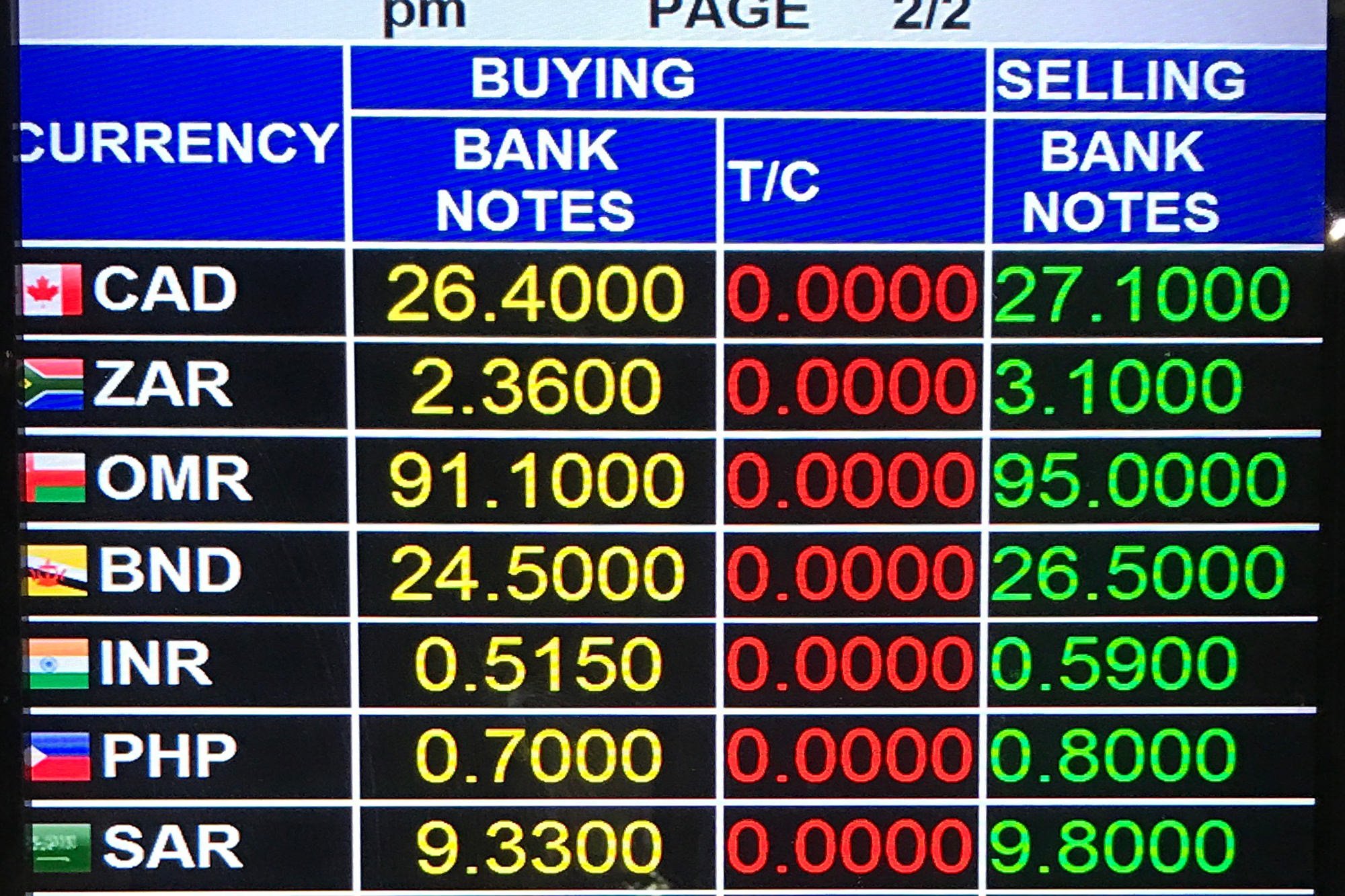
The exchange rate in the street is better than in your home country and often better than in the ‘official’ exchange rate booth. There are many small booths on the main roads of each town. Usually, stalls display rates on a piece of paper.
What is the exchange rate at the moment? The answer to this question is straightforward: to get an estimate of the current exchange rate, open the SuperRich Thailand Website. The exchange rate is very close to what you can get in Phuket right now, so you can monitor it before travelling.
6. Are there ATMs in Phuket?

There are plenty of ATMs in Phuket, and they are safe to use. You will find them mostly in beach towns, in front of every 7-Eleven and Family Mart, and these convenience stores are literally everywhere on the island.
Withdrawal fees: Thai ATMs charge a 250 Baht fee for foreign card withdrawals (increased from 220 Baht in July 2025). AEON Bank ATMs charge only 150 Baht but have lower withdrawal limits and are harder to find. Withdraw larger amounts to minimise the fee impact.
A couple of things to remember when using an ATM in Phuket: the money comes out first, and then only your card is ejected. It doesn’t sound like much, but because the card is ejected first in many other countries, some pick up the money and walk away, especially when you drink at a bar and suddenly realise you need a bit more cash. It is so easy to forget after 2 beers!
Note: When changing money at a money exchange, count your money in front of the cashier. There have been some cases of missing money. The best exchange rate is usually in the non-brand exchange booths you will spot easily on most streets of the main beaches.
7. Do I need a Visa to go to Phuket?

Most visitors don’t need a visa. Thailand grants 60-day visa-free entry to travellers from 93 countries, including the UK, US, all EU nations, Australia, China, India, and Russia. This changed in July 2024 when the previous 30-day limit was extended.
You can extend your stay once for another 30 days at any Thai immigration office for about 1,900 Baht, giving you up to 90 days total.
Thailand Digital Arrival Card (TDAC): From 1 May 2025, everyone entering Thailand must complete the TDAC online within 72 hours before arrival. It’s free at tdac.immigration.go.th. Don’t use any other websites. They’re scams.
Entry limits: You can only enter visa-free twice per calendar year. Land border crossings are limited to two per year with 15-day stays.
Visa rules change frequently. Double-check current requirements with your nearest Thai embassy or consulate before travelling.
Use this link to check if your country requires a visa on arrival (and how to get one online)
8. How much is the taxi from the airport?

There are at least five ways to go from the airport to your hotel, from the most expensive to the cheapest:
Hotel Transfers: Always the most costly way, sometimes up to twice the price of an Airport Limousine. Only use it if you arrive late or enjoy having someone waiting for you with your name on a signboard.
Airport Limousine: Those are the grey Toyota Camry you see waiting outside the airport. It’s not much more expensive than a Taxi-Meter, and you are (usually) treated much better than in a Taxi-Meter. The car is often new and cleaner, plus your driver can often speak a bit of English. The counter is inside the arrival hall, and someone usually helps you with your luggage. And it feels a bit more special.
Taxi Meter: A bit cheaper, but remember there is a 100 Baht airport tax in addition to the price indicated on the meter.
Shared Van: The shared minivan is the cheapest, but you can’t be in a rush since you have to wait until the minibus is full and hope you are the first one to be dropped, not the last! If you flew for 12 hours, that will add to your trip!
Local Bus: The local bus only goes to Phuket Town, where you must take a taxi or another local bus to reach your hotel. It could end up as long as your flight, so maybe not be worth the saving.
The Smart Bus: The smart bus is a modern air-con bus that goes from the airport to Rawai Beach and stops at every beach on the west coast. The cost is only 50 to 170 baht for the longest distance.
9. Do I need a driving license to rent a bike in Phuket?
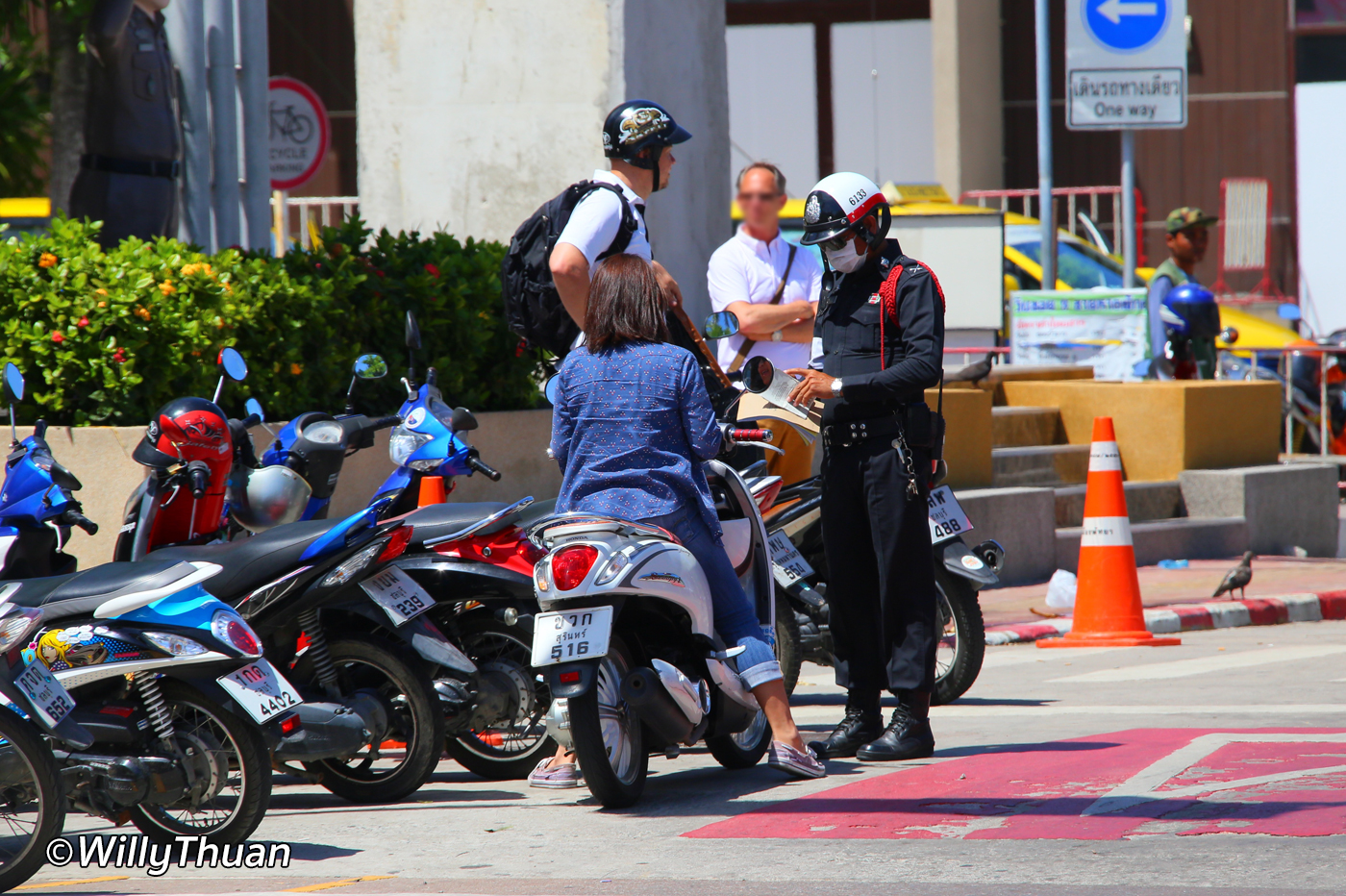
You need a driving license to rent a bike, BUT the reality is a lot different.
1. When you want to rent a bike, any shop will accept your home driving license.
2. If you have police control but can only show your home driving license, you will have to pay a 500 baht fine, usually payable on the spot, which saves time. Probably 90% of people driving a bike in Phuket use their home car driving license (an educated guess).
3. The real problem occurs in the case of an accident. Only an international driving license would be valid to have your insurance work. So think twice and do the right thing. Don’t ruin your holiday: get an international driving licence and reputable travel insurance!
10. What plug types are used in Thailand?
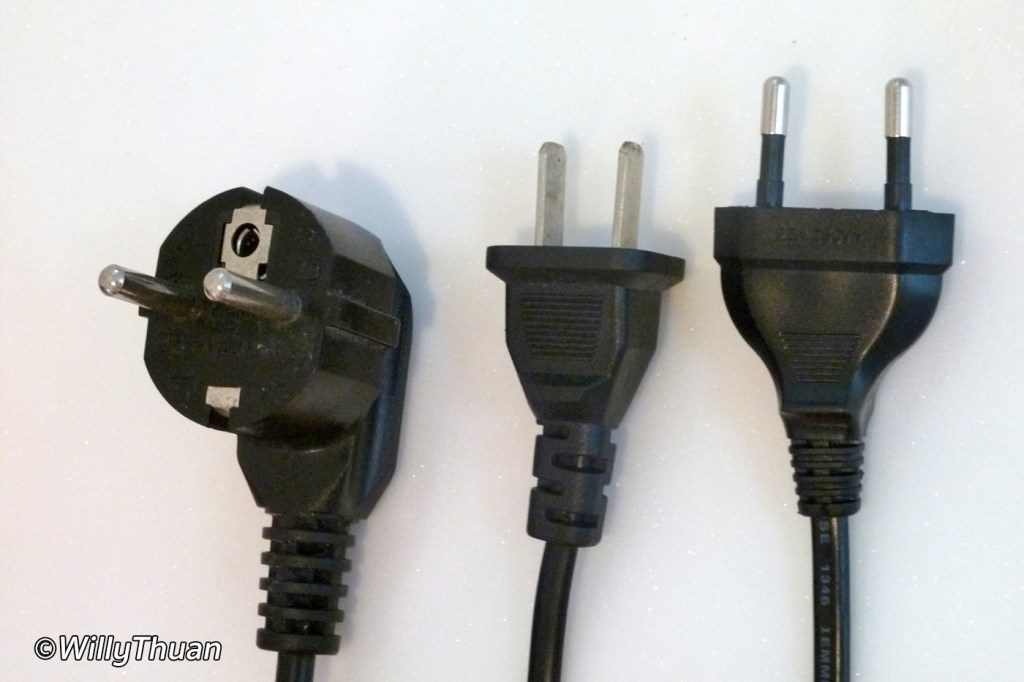
Thailand uses 220V AC electricity at 50/60 Hz. Power outlets most commonly feature two-prong round or flat sockets. The most common is the ‘Two round pins’, sometimes with the ground (Europlug CEE 7/16) and occasionally the old ‘Two flat parallel blades’ similar to the US (NEMA 1-15 or JIS C 8303). Most modern plugs accept both, and adapters are cheap and easy to buy at convenience stores. (Phuket has more convenience stores than there are flies on the back of a horse.)
11. What month is the cheapest to fly to Phuket?

The cheapest month to visit Phuket is, without a doubt, the low season, usually between May and November. Hotels and flights are much cheaper, cars and motorbike rentals are also cheaper, there are fewer traffic jams, people are more relaxed, and it doesn’t rain every day.
12. What happens if I overstay?
Double-check the expiry date stamped in your passport. If you overstay, it costs 500 Baht per day, up to a maximum fine of 20,000 Baht (reached after 40 days). The fine stays at 20,000 Baht whether you overstay 40 days or several years.
Blacklist rules: Overstays under 90 days mean a fine only, no entry ban. Over 90 days means a 1-year ban from Thailand. Over 1 year means a 3-year ban. Get caught by the police instead of surrendering voluntarily at the airport? That’s a 5-year ban minimum.
Pay your fine at the airport when leaving. It must be paid in Thai Baht cash. Immigration will escort you through the departure process. Always better to surrender voluntarily than get caught during your stay.
13. What’s the weather like in Phuket?

I would be rich by now if I had the exact answer to this question. You need to understand that Thailand has two seasons: high and low, but the world has turned crazy, and the usual pattern has become unpredictable.
YES, the best time to come is from January to April.
No, it doesn’t rain every day during the low season!
It’s quite lovely most of the time. A bit of rain here and there, BUT the sea is often rough and not that beautiful blue I love. Now you need to know that there are a few bad weeks where it rains non-stop. These only happen during the low season, and they are unpredictable, and there is nothing anyone can do about them. You want to avoid those, but don’t ask me when they occur! (I know you will ask anyway. In recent years, it even rains during the high season.
14. Which Phuket beach is best?
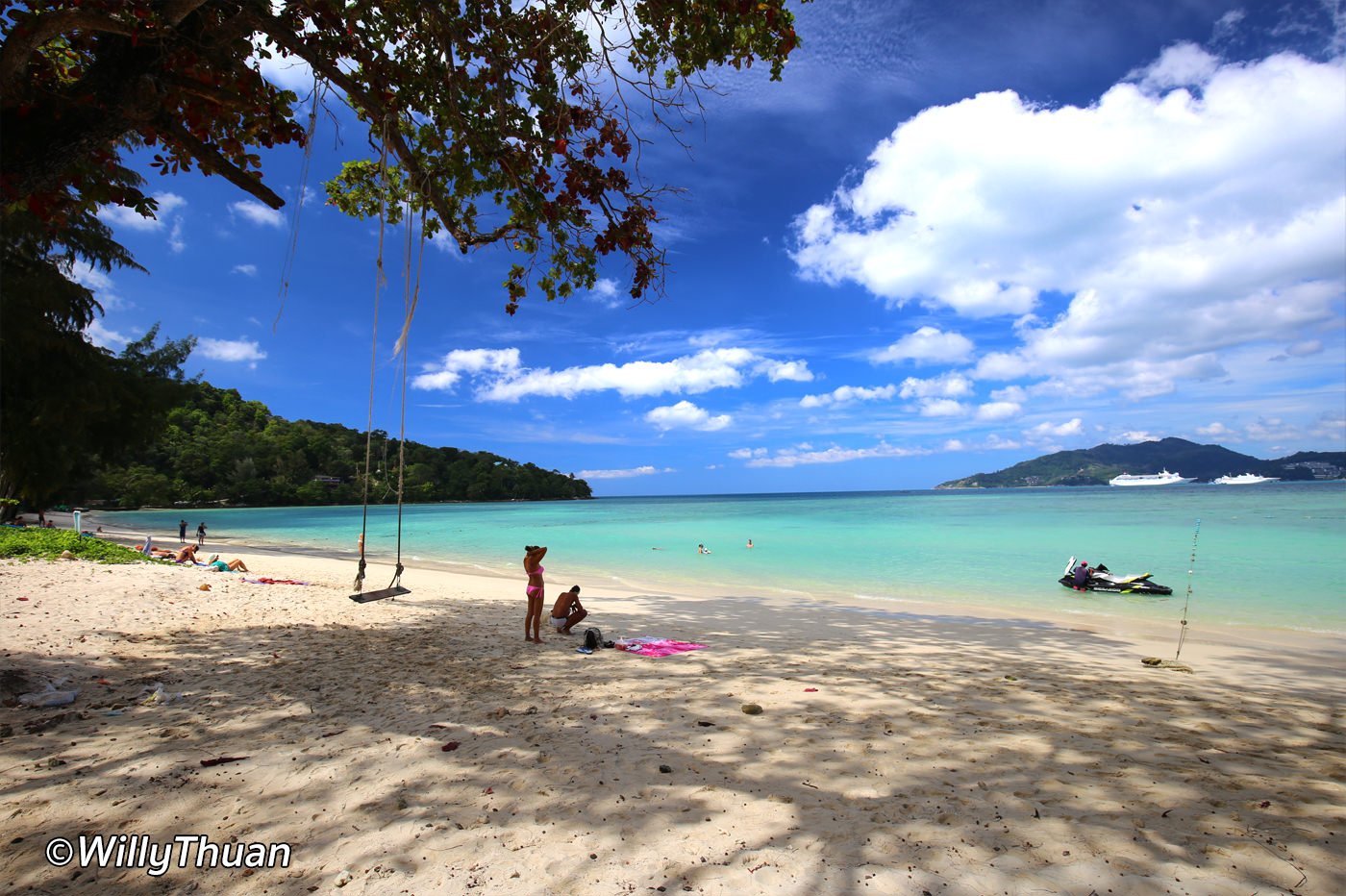
That’s another question with a different answer for each person. Tell me who you are, and I’ll tell you which beach is best for you. (Just kidding… well, sort of.)
- If you want to party and everything nearby, but you don’t mind the beach and the street being busy, then Patong beach is for you.
- If you are a couple or a family and want a compromise between an active and a not too busy beautiful beach? Pick Kata beach.
- Do you want it beautiful and quiet but not too far from the action and don’t mind walking? Karon Beach.
- Quiet and family-friendly with a bit of old Phuket feeling? Kamala Beach.
- A self-contained luxury resort? Bang Tao beach.
- The ultimate romantic escape with a beach just for you and your loved one? Mai Khao Beach.
If you miss what Phuket used to look like 20 years ago and want a quiet beach with local food vendors and fishermen selling their catch in the morning? Nai Yang beach.
15. How do I go to Phi Phi Island?
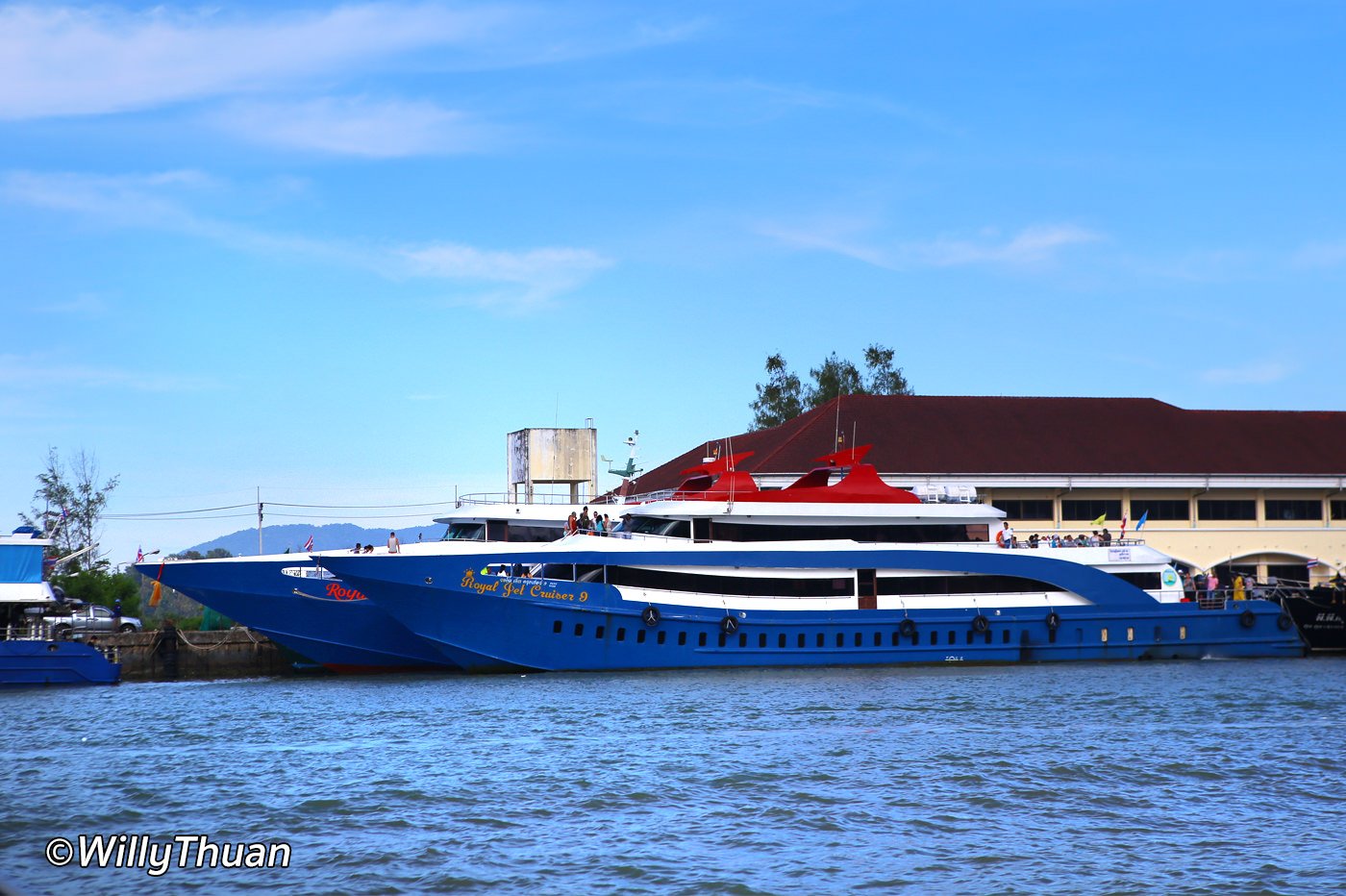
Destinations:
- To Phi Phi > Only by ferry or speedboat
- To Krabi > By boat, speedboat, car or bus. Driving to Krabi by bike is feasible, but it’s far, and your butt sure will hurt.
- To Phang Nga > You can go by rented car or book a tour. Driving to Phang Nga by bike is also feasible, but it’s a long ride.
How to get to those places:
- To catch a ferry, you can go to Rasada pier and 1) purchase your ticket directly, 2) Book with an agent or 3) ask your hotel to help. It’s very common.
- To ride a bus to Krabi, you must go to the Bus Terminal on Thepkasatri Road and purchase a ticket. The trip usually lasts 4 hours and costs around 200 Baht.
- Car rental is the best. You get to drive through amazing landscapes. Rent from an international company is preferable, with no bad surprises in case of an accident. Many of these car rentals are available at the airport.
16. How do I go from beach to beach?
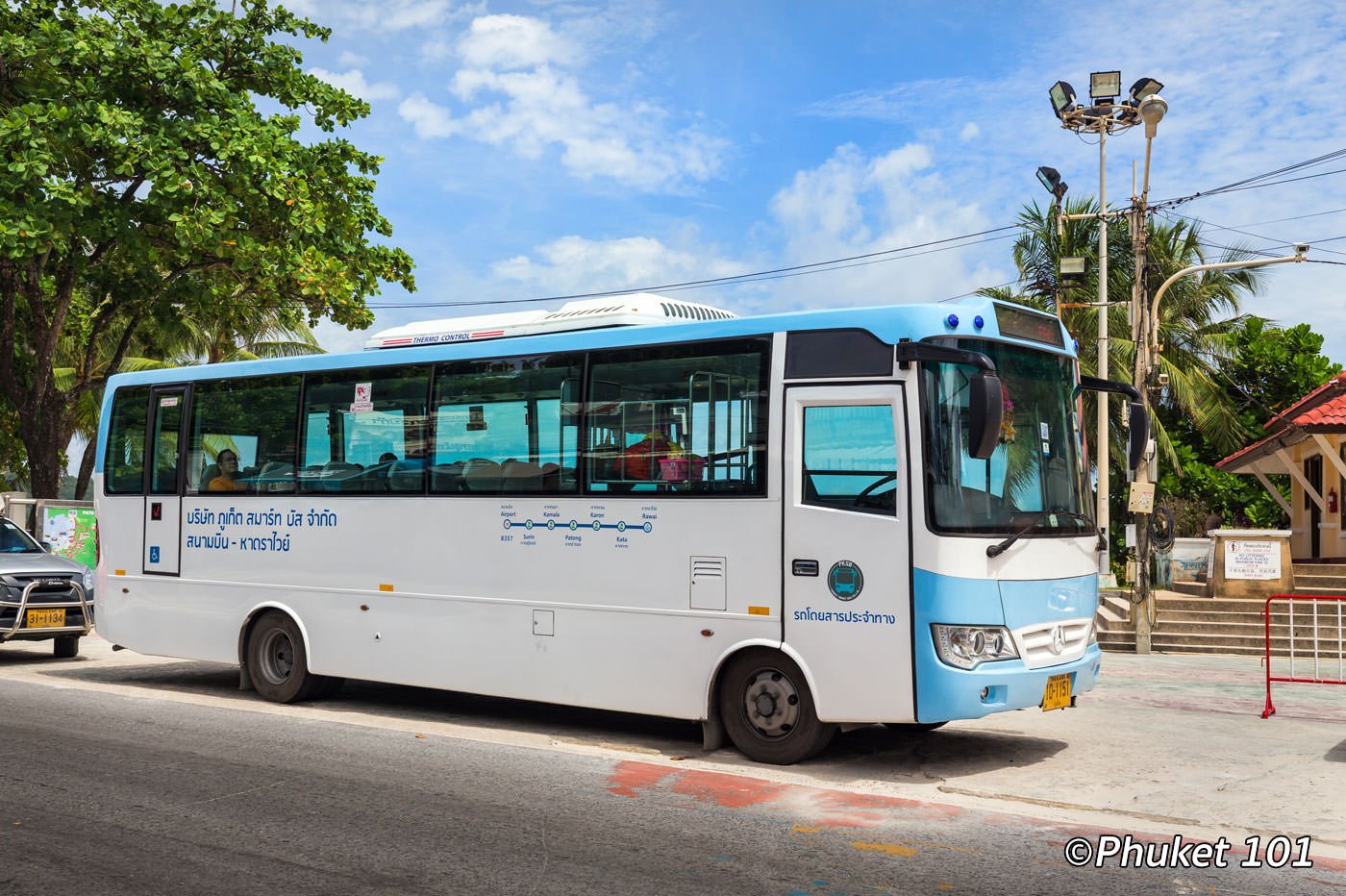
There are two options if you don’t have a bike or a car. The cheapest is the Phuket Smart Bus, and the fastest is the good old Tuk Tuk or Grab Taxi. Prices for Tuk Tuks are not fixed and are known to be too high, but thinking about it’s not that high, and they are always nearby to take you anywhere. Grab and taxi meters are available, but not often in sight. Always agree on the price before boarding your tuk-tuk, and enjoy the ride!
A price range for Tuk Tuk based on readers’ experience:
Around Patong: 200 baht, can go up to 300 at night
Patong to Kata and Karon: 300 to 400 Baht
Kata Beach to Nai Harn: 600 Baht
Patong to Phuket town: 800 Baht
Patong to Kamala: 300 Baht
17. How to pronounce Phuket?
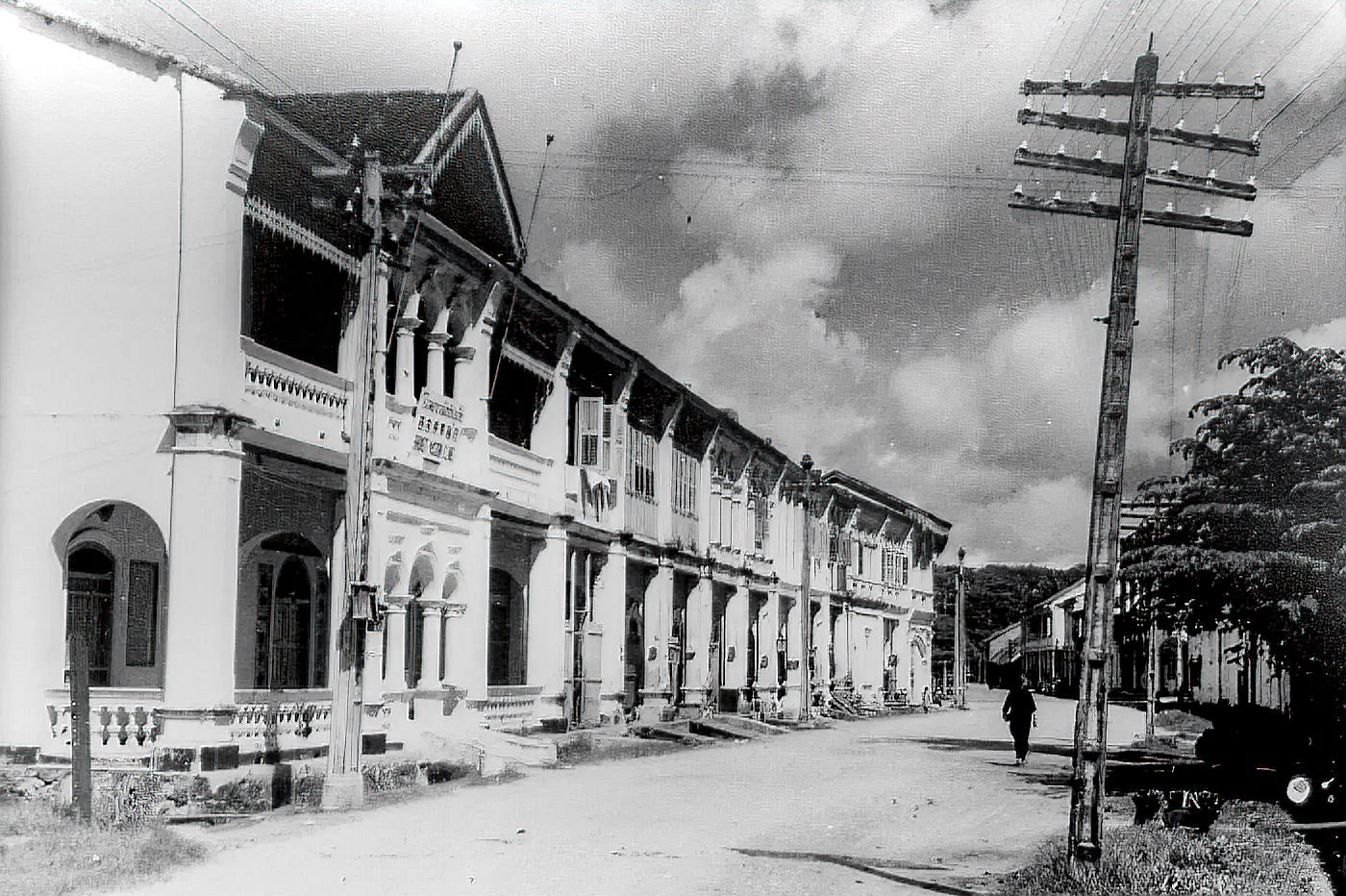
Phuket is pronounced as “poo-ket”. The emphasis is on the first syllable, and the “oo” sound is similar to the “oo” in “cool”. Phuket is a beautiful island in southern Thailand with a rich history dating back to the 13th century. The island was once a major port and centre of tin mining and played an important role in the trade between China and other parts of Southeast Asia. In the 19th and 20th centuries, Phuket became a popular destination for travellers and traders, and it has since developed into a major tourist destination known for its beautiful beaches and diverse attractions.
18. Where can I get a SIM card?
Tourist SIM packages at Phuket Airport cost 299-699 Baht depending on data allowance. Look for the AIS, DTAC, or TrueMove stands in the arrivals area. Staff speak English and will set everything up for you.
You can find cheaper packages at 7-Eleven once you’re settled, starting from 199 Baht for basic 30-day internet. All three networks work well across Phuket, so pick whichever has the best deal when you arrive.
eSIM option: If your phone supports eSIM, you can pre-order online and activate instantly without visiting a shop.
19. Is it safe to swim in Phuket?
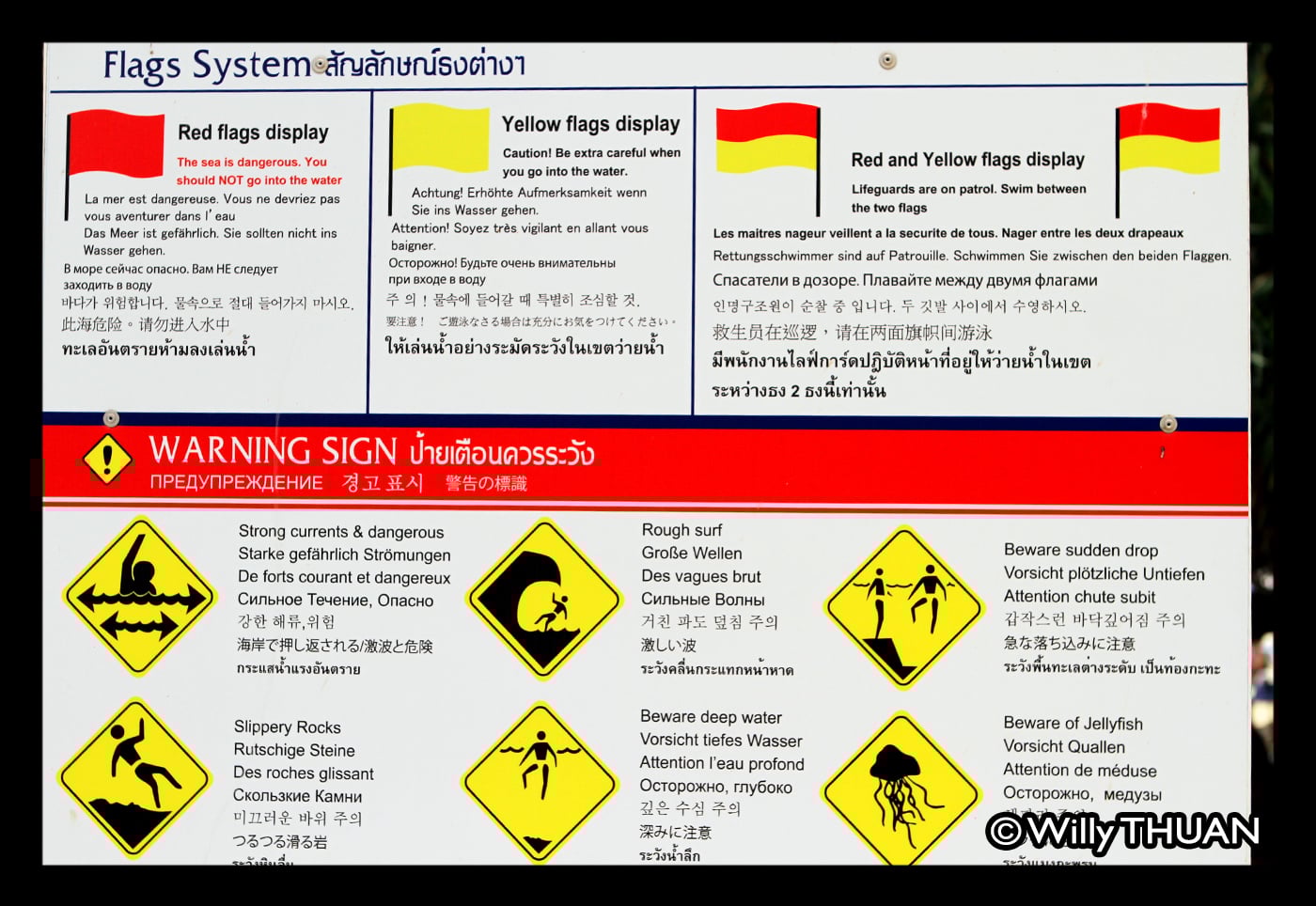
Red flags and warning signs must be taken seriously, especially during the low season. Riptides are treacherous. No matter how good a swimmer you are, the danger is real. One second you stand waist-deep on the sand. The next, you are metres away and swimming back can be impossible.
During the low season, pick a hotel with a good swimming pool if you want to swim your laps. The newspapers report daily rescues, so please think twice before ignoring the flags.
20. Should I rent a jet ski?

It costs around 1,500 Baht for 30 minutes. This is just an indication. The rate varies with the petrol price, but it always goes up, never down.
Jet ski riders are often victims of accidents or major scams involving huge, unjustified damage fines. Stay away from them. It’s not worth it.
21. Can I drink the tap water?

Don’t drink tap water. Buy bottled water instead. It’s cheap and available everywhere. Your hotel will usually supply a couple of complimentary bottles, and 7-Eleven stores are on every corner.
Ice is safe. Companies supplying ice across the island use filtered water.
FAQs about Phuket
More First-Time Guides
