


Phuket’s 45-Metre White Marble Statue Reopened After the 2024 Closure

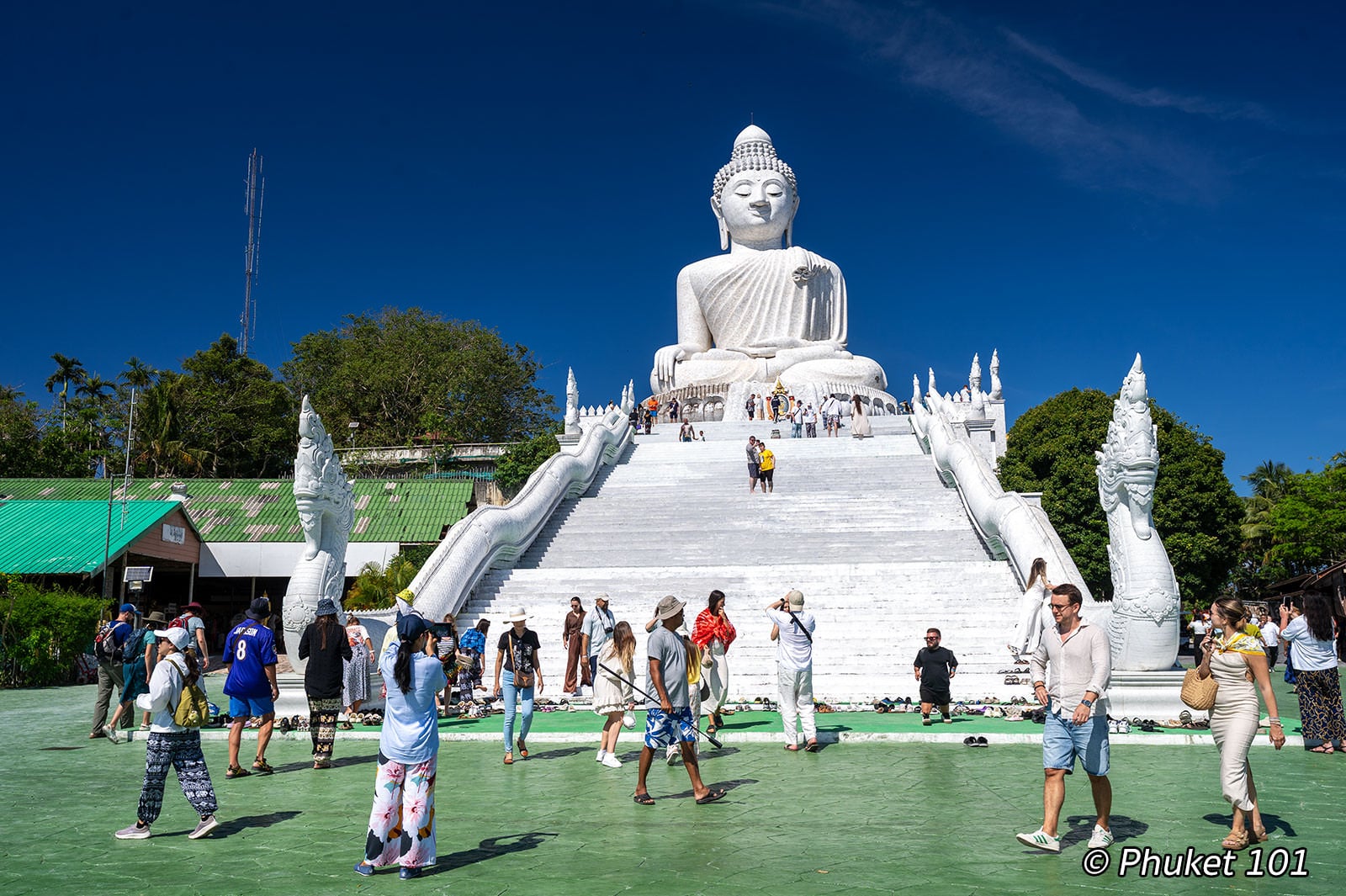
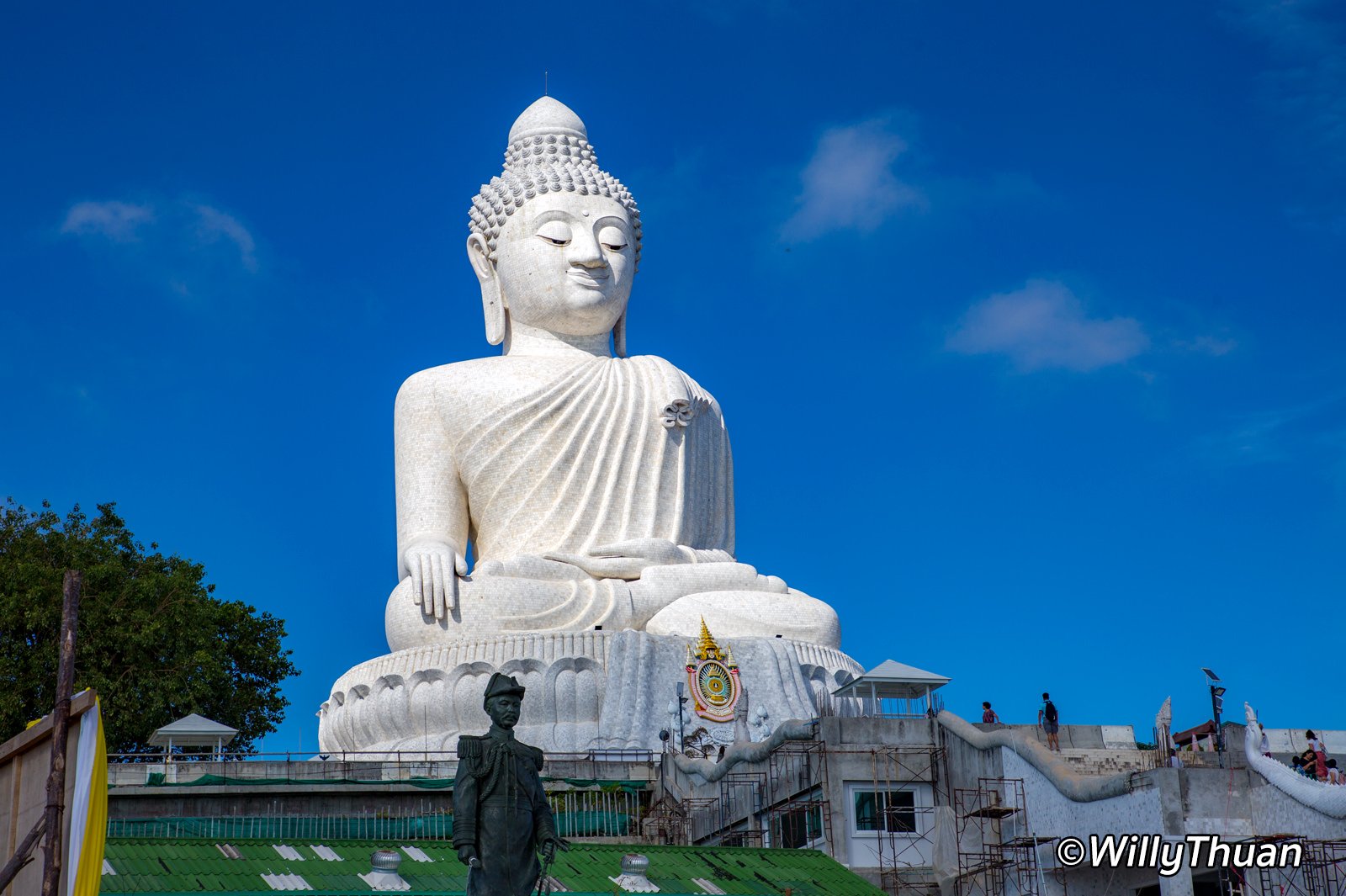
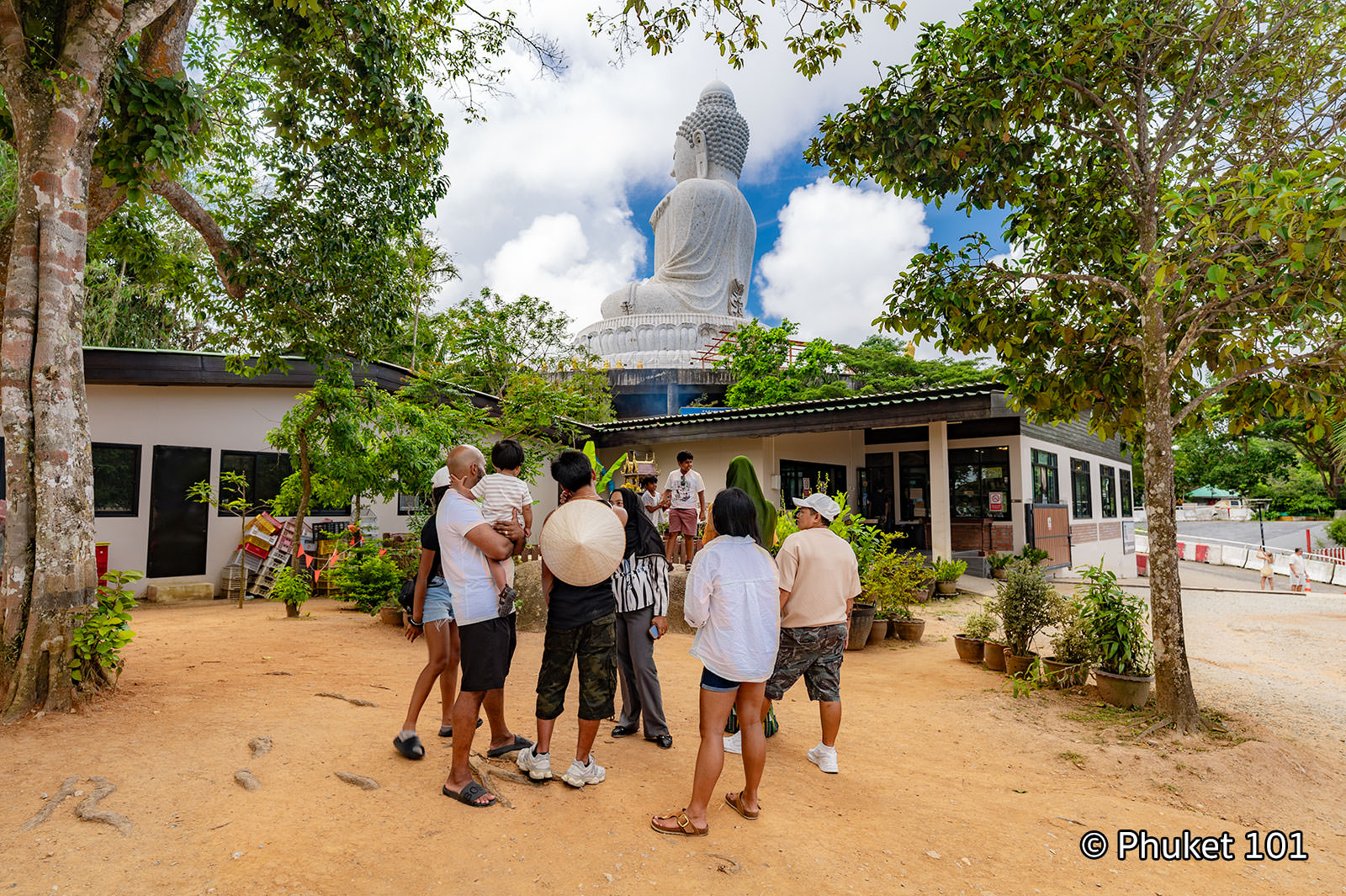
Big Buddha Phuket is a 45-metre white marble statue sitting on top of Nakkerd Hill, visible from most beaches in the south of Phuket island. Construction started in 2002 and has been ongoing ever since. The main statue is complete, but work on the surrounding platform, halls and gardens continues today, more than 20 years later. It’s one of the most visited tourist landmarks in Phuket. I first rode my motorbike up there in the early 2000s when the road was still a dirt track that tested your suspension and driving skills, especially on the way down! See our full guide to things to do in Phuket for more.
⚠️ Important: Big Buddha Phuket IS open to the public.
Despite Google’s info box recently changing the listing from “Temporarily closed” to “Permanently closed”, the site is open and welcoming visitors every day. The statue, the staircase, the temple area and the panoramic terraces are all accessible. We hope Google updates the listing soon.
After being closed and neglected for over 18 months, the site is still a bit run down in places. Some of the surrounding buildings and gardens need attention. But the main statue is as impressive as ever, and the views from the top remain one of the best things to see in Phuket.
Photos from the Reopening on 3 March 2026


From Jungle to an Iconic Landmark of Phuket – How it Started
When I moved to Phuket in 1994, Nakkerd Hill was just another forested hilltop with nothing on it. I first rode my motorbike up there in the early 2000s when construction had just started. The road was a dirt track cutting through the jungle, steep and rutted. Getting up was challenging, but coming back down was the scary part, especially after they started pouring fresh concrete in sections. There were no restaurants or bars along the road, no tourists, no signs pointing the way.
At the top, the Buddha was just a concrete skeleton, nothing you could really recognise yet. But the view was already stunning, even then. I remember standing up there thinking this was a nice spot, with no idea it would become one of the most visited places in Phuket. Watching it transform over the years, from bare concrete to white marble gleaming above Chalong Bay, has been one of those quiet privileges of living here for three decades.
The View That Never Gets Old
The official name is Phra Phuttha Ming Mongkol Eknakiri, “Happiness on Top of Nakkerd Mountain”, but nobody calls it that :).
People come for the giant white marble statue visible from everywhere in the south of the island, and for the panoramic views from 400 metres up. The fundraising model has always relied entirely on visitor donations, with visitors sponsoring marble tiles for 300 or 1,000 baht and signing their names on them.
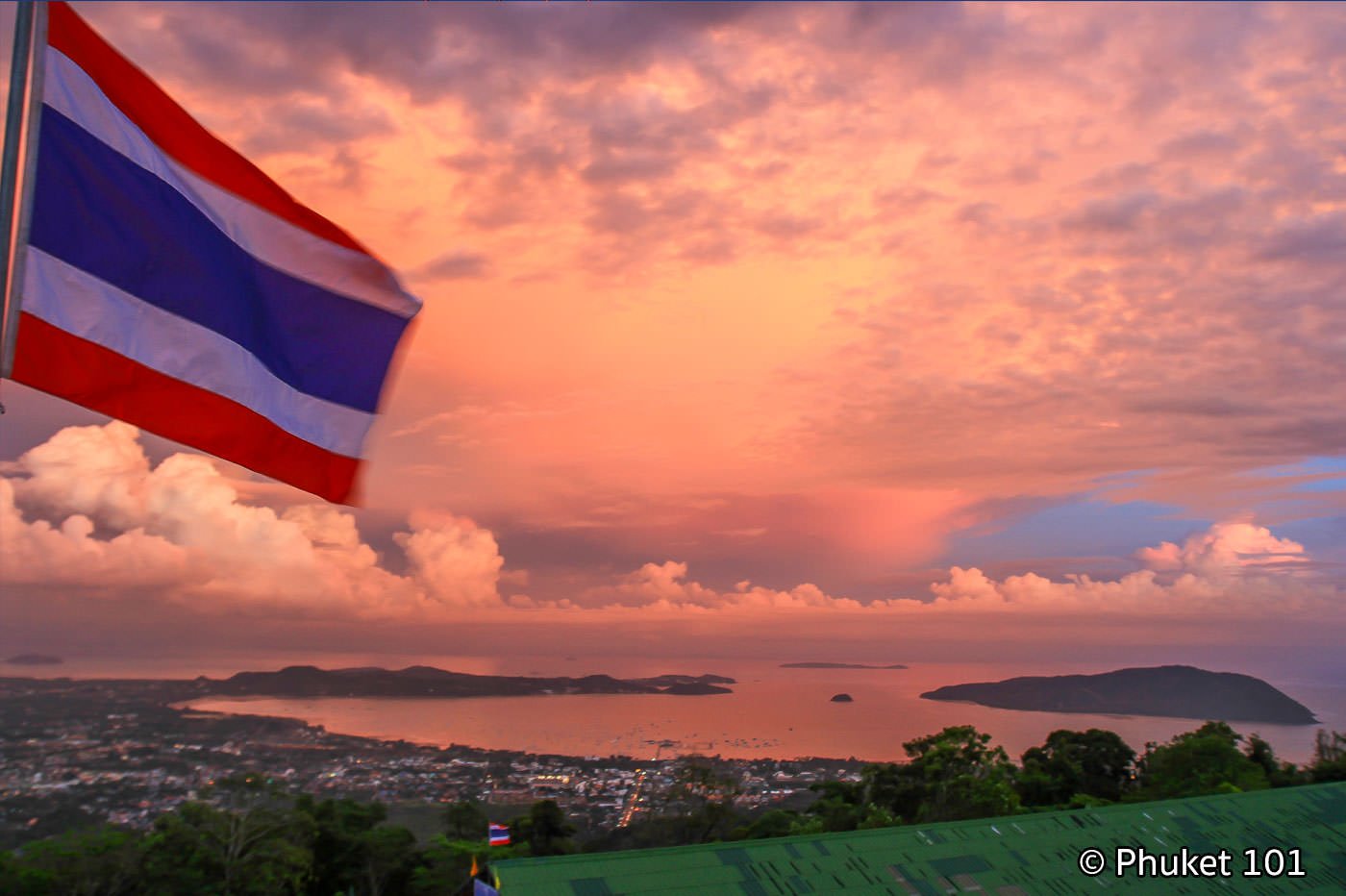
During the construction years, I used to ride up often, especially at sunset. The statue was still taking shape, but the view was already there. One evening, a massive thunderstorm rolled in over Chalong Bay. I stood on the hilltop and watched lightning strike across the water below. No tourists, no crowds, just the storm and the half-built Buddha behind me. That moment stayed with me.

The view still rewards the climb. West side: Kata Beach, Kata Noi, a sliver of Promthep Cape. Turn around: Chalong Bay spreads out below. On clear days, you can see the islands in Phang Nga Bay way out on the horizon.
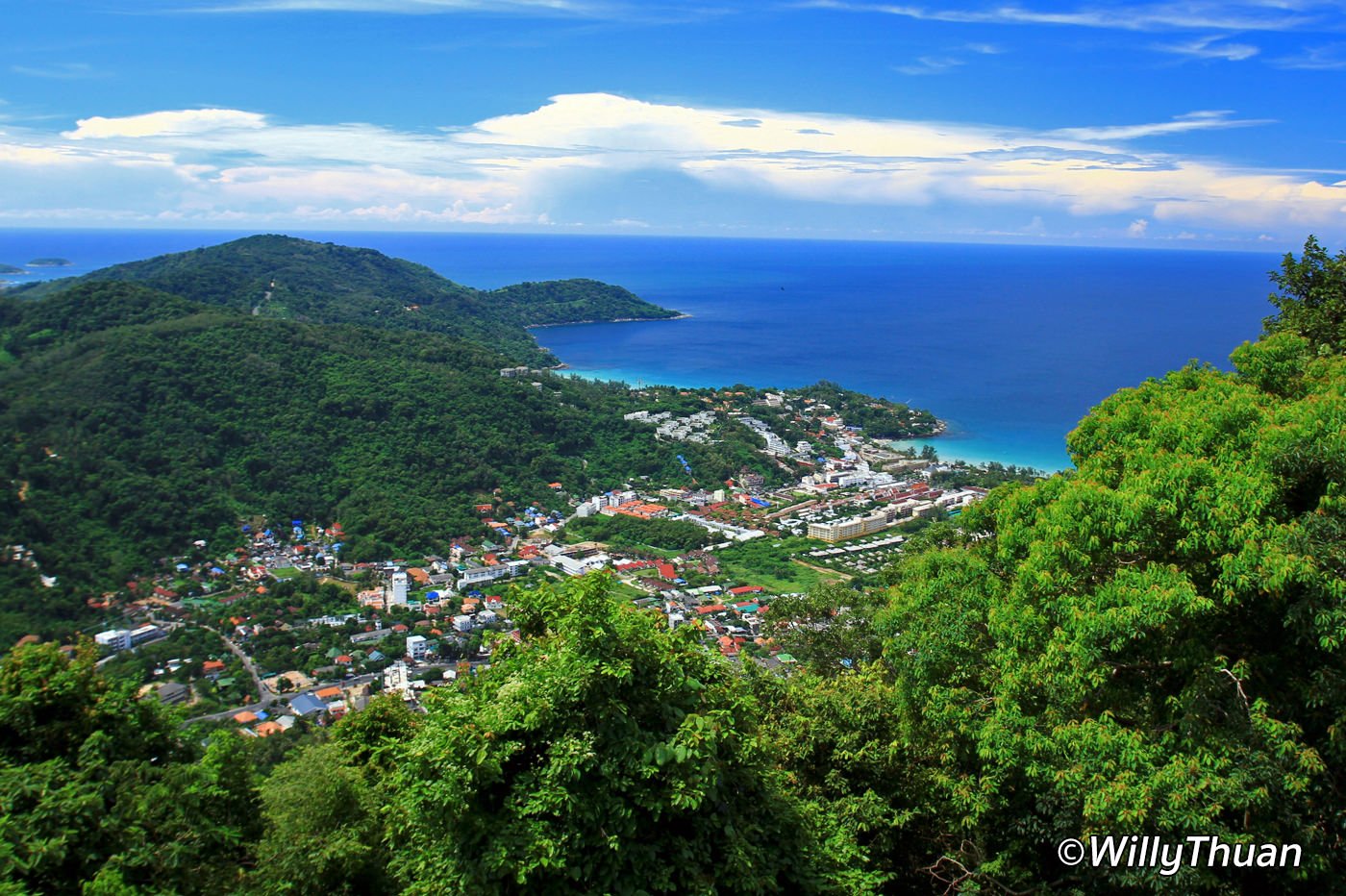
Most people miss the terrace behind the Buddha. It’s quieter back there, better for photos, and hardly anyone walks the full circle. We always do before heading down.
Visiting Big Buddha Phuket
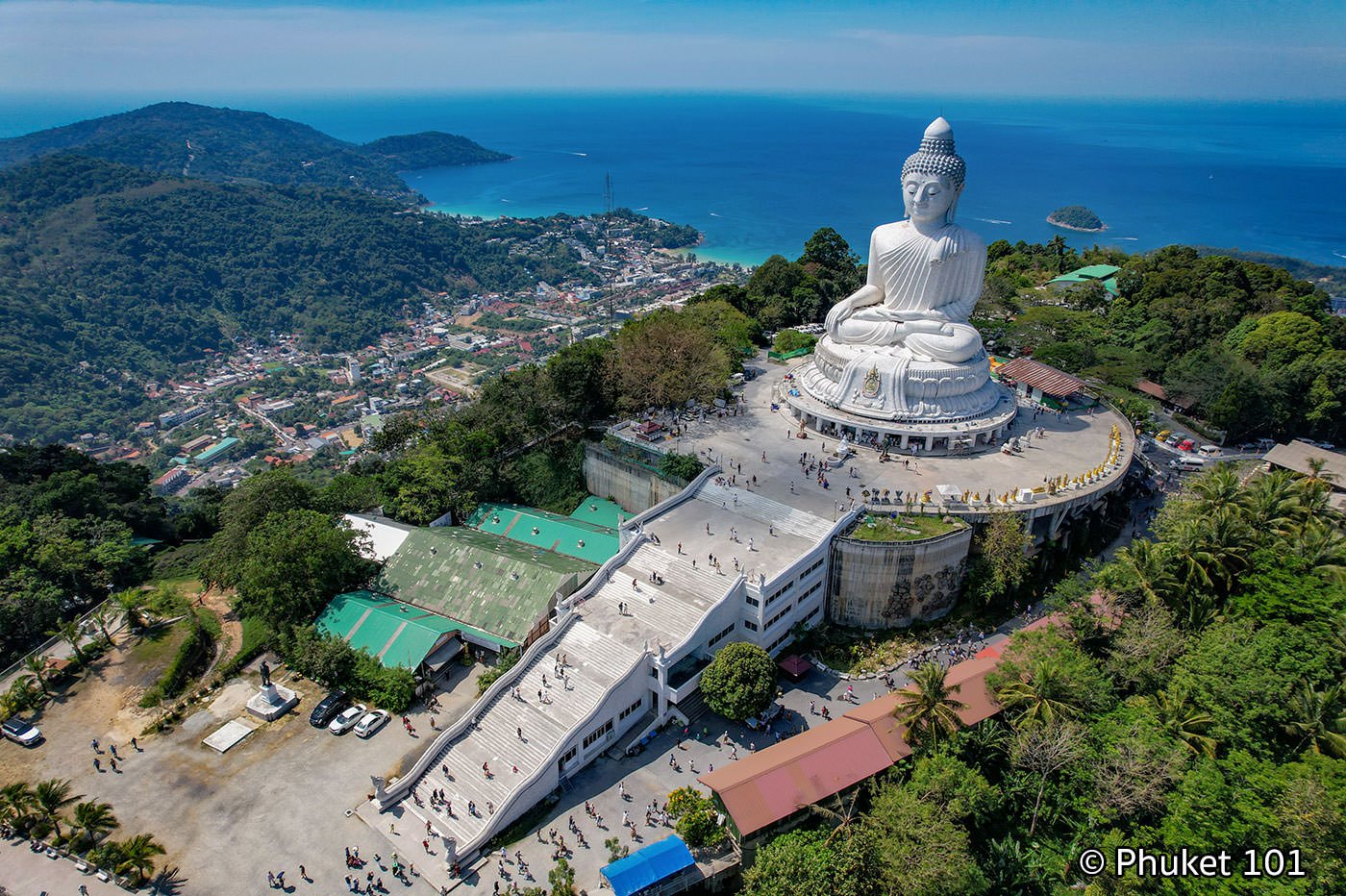
Two Nagas guard the staircase. 94 steps from the terrace to the Buddha’s base. Up one side, down the other. A guard makes sure you don’t mess that up. The climb’s not bad. Go slow if you need to. If you skip the stairs entirely, the view from the lower terrace is still good.
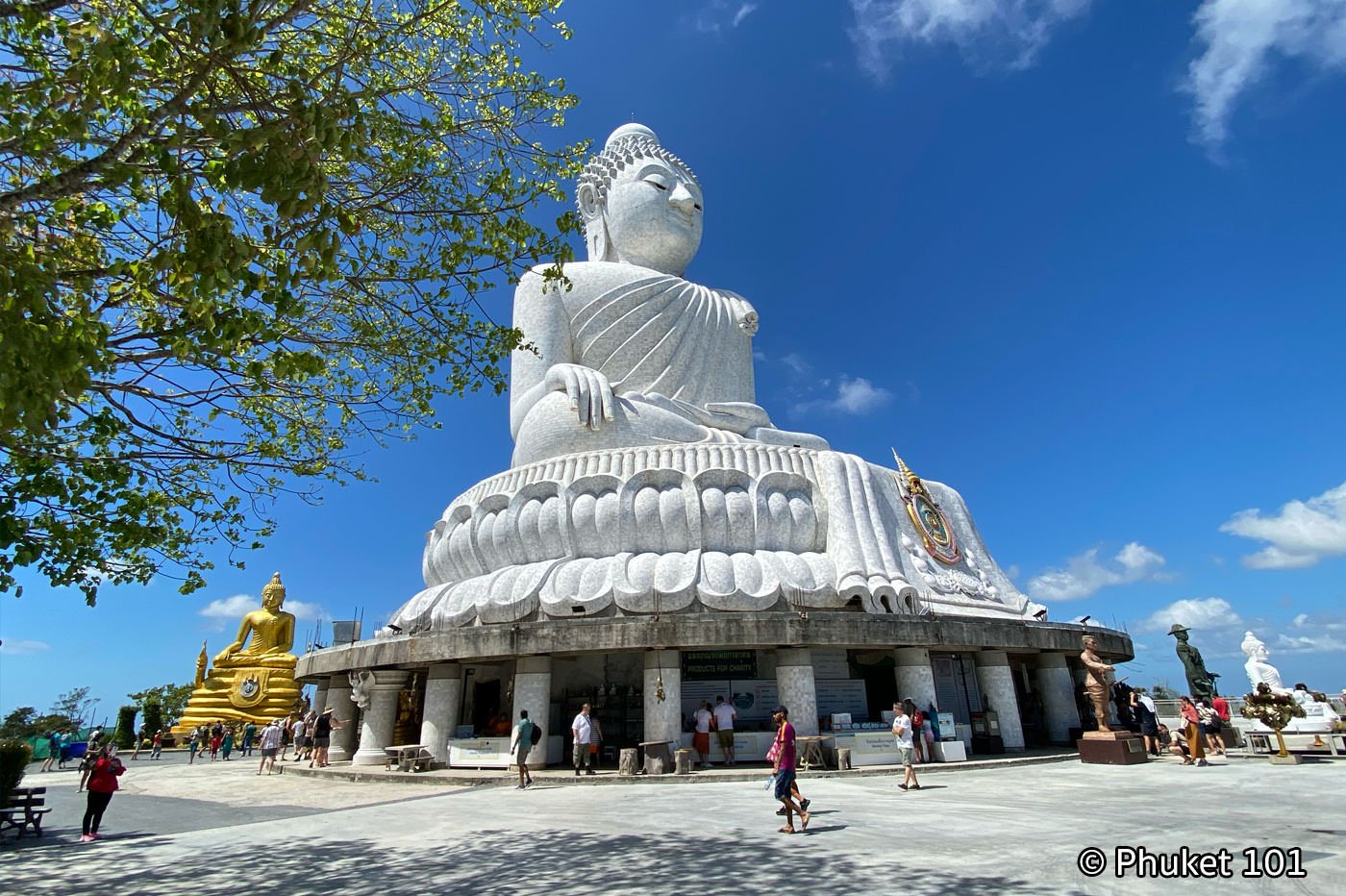
The Temple Area
On the way down, there’s a small temple area where monks sit and visitors can buy amulets or small items. Donations are encouraged at almost every step. If you’re not interested, a polite smile is enough to keep walking.


A small museum-like room displays information about the construction. Parts of the base were still technically under construction before the closure, but the main statue appeared complete.
The Seven Buddhas of the Week


Just below the statue, seven smaller Buddha images represent each day of the week. Thai tradition links each person to the Buddha posture for their birth day. Many visitors enjoy finding theirs, taking a photo, and sometimes lighting a candle or offering a flower. Read more
Best Time of Day to Visit Big Buddha
Late afternoon is the best time, no question. The white marble glows in the warm light, and the panoramic views open up as the heat drops. I usually aim to arrive around 4.30 pm or 5 pm, walk up, take photos from both sides, and head down before the gate closes at 6 pm.
Mornings are quieter and cooler, but the sun is behind the statue, which makes photos harder. Midday is the worst combination: harsh light, heat, and the marble platform reflecting the sun straight at you.
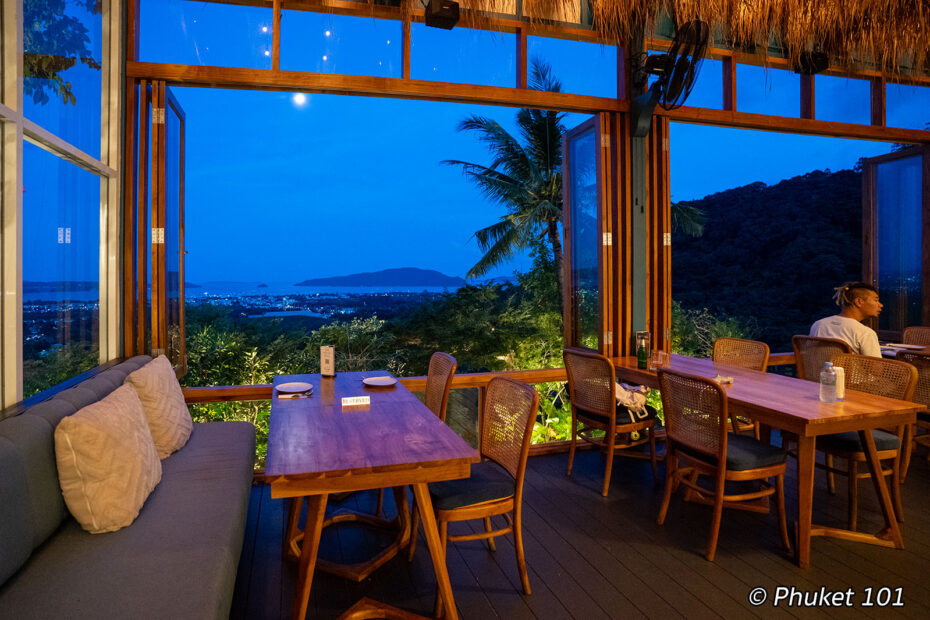
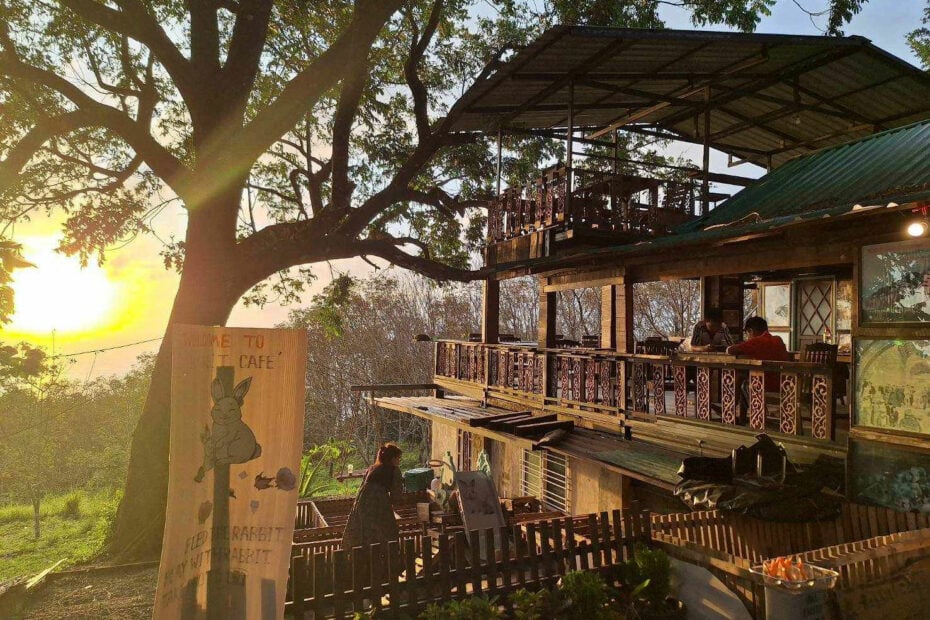
If you want sunset views, don’t stay at the Big Buddha for it. The gate closes at 6 pm and last entry is around 5.30 pm. Drive 5 minutes back down to Nak-Kerd Seaview Cafe or one of the other terraces along the road, where you can watch the sun drop behind Karon Beach with a cold drink.
How Long to Spend at Big Buddha
An hour is enough for most visitors. That covers the climb, walking the full circle around the statue (including the quieter terrace at the back), the small temple area on the way down, and a few minutes at the Seven Buddhas of the Week.
If you stop for food at one of the cafes on the way up or down, plan for 90 minutes to 2 hours total.
Parking, Toilets and Accessibility
Parking is free and there’s a large lot just below the main terrace. It fills up in the late afternoon during peak season, but you’ll usually find a spot within a few minutes. Tour buses use a separate area further down.
Toilets are available near the parking area and at the temple level. Both are free and reasonably clean by Thai standard.
The 94 steps to the statue base are the obvious mobility barrier. The good news: the lower terrace, where most of the panoramic views are, is reachable by car. If you can walk a short flat distance from the car park, you can see the Buddha and the views without doing the stairs. Wheelchairs can manage the lower areas, but the upper platform is stairs-only.
A Few Things to Know Before You Visit
The Big Buddha is mainly a tourist attraction, but there is a small temple area on the way down where monks sit and where some visitors come to pray. Out of basic respect, keep voices low and behave appropriately around the temple area, the same way you would at any religious site.
Is there a dress code at The Big Buddha?
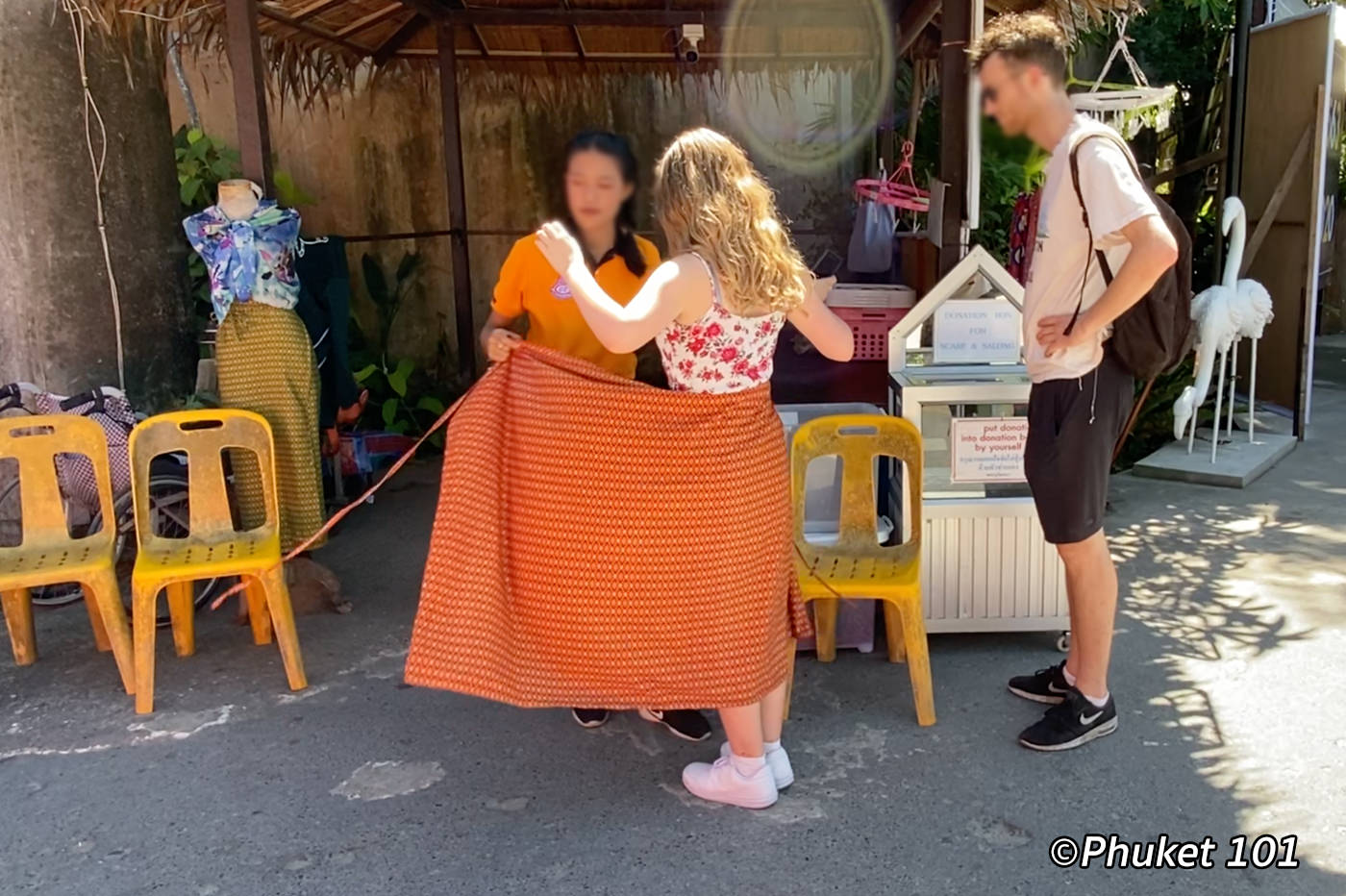
There’s a dress code, and it is really simple: No sleeveless tops or shorts above the knee. Free sarongs are available at the entrance for anyone who forgets. Guards are polite but firm about sending visitors back to the gate if clothing doesn’t meet requirements. Keeping voices low and behaving appropriately isn’t difficult, but the temple area is treated as a religious site, not a theme park.
How to Get to Big Buddha Phuket?
Getting up to the Big Buddha is a lot easier than it used to be. Back when I first rode up in the early 2000s, the road was a dirt track and reaching the top felt like a small adventure. Now it’s paved, signposted, and lined with restaurants. You just go.
Most tour agencies and tuk-tuks in Phuket can arrange transport, and the entrance is always free. The statue sits at the top of Nakkerd Hill, just outside Chalong in the south of Phuket. Signs from Phuket Town toward Chalong Circle point the way. The road branches off Chaofa West Road, about 8 km from Wat Chalong.
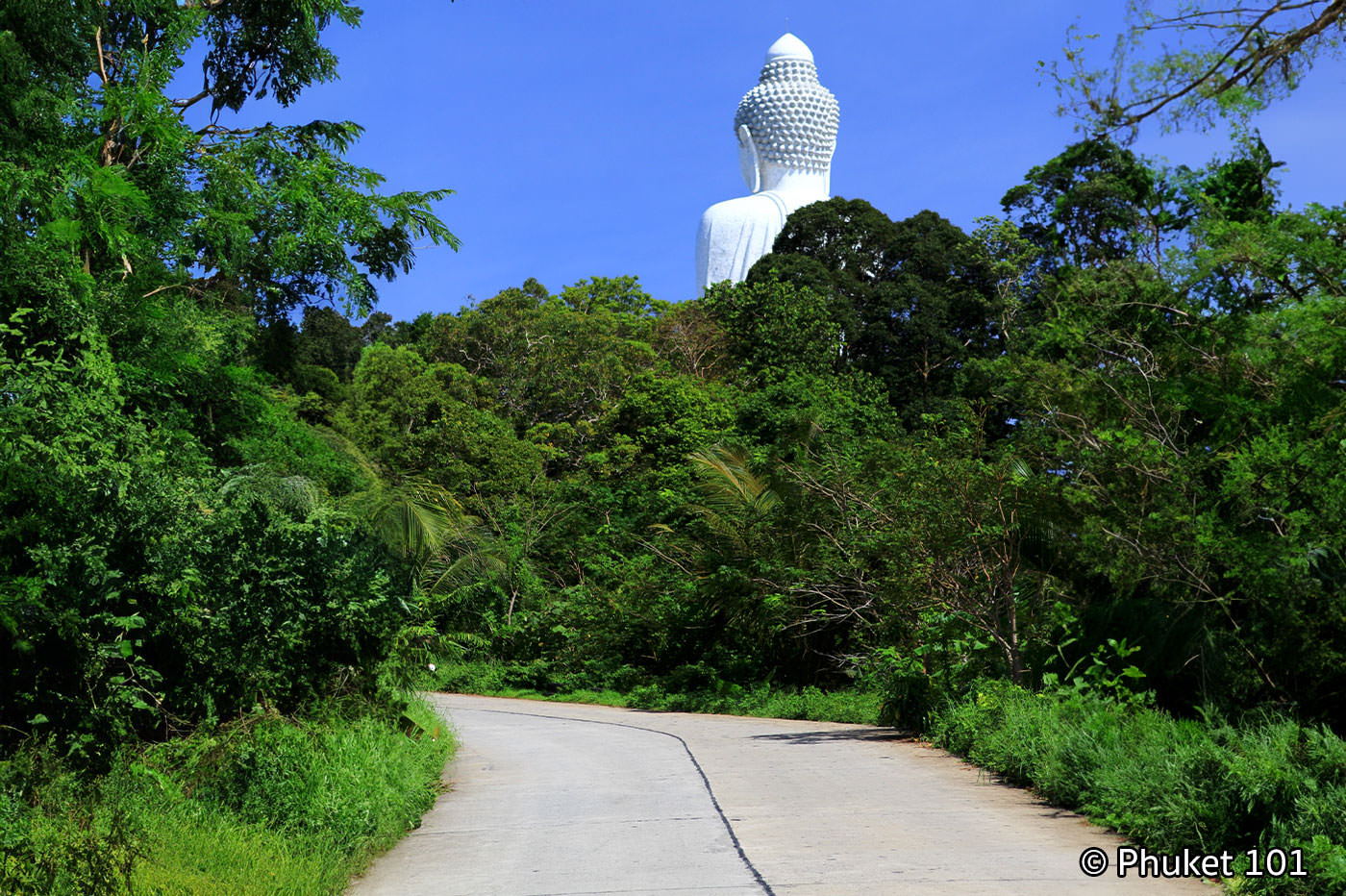
The drive up is straightforward, but be careful on the way down. There’s a steep section with tight curves, and traffic can be heavy. If you’re not familiar with driving a motorbike, take it slow. I’ve seen plenty of people get nervous on that descent, even after all these years of the road being paved.

Options for visiting include renting a car or motorbike, hiring a tuk-tuk and asking the driver to wait, or joining a half-day tour. Some travellers reach the top by ATV tour. For the more active, a hiking trail from Karon Beach offers a good workout.
Big Buddha Phuket Hike
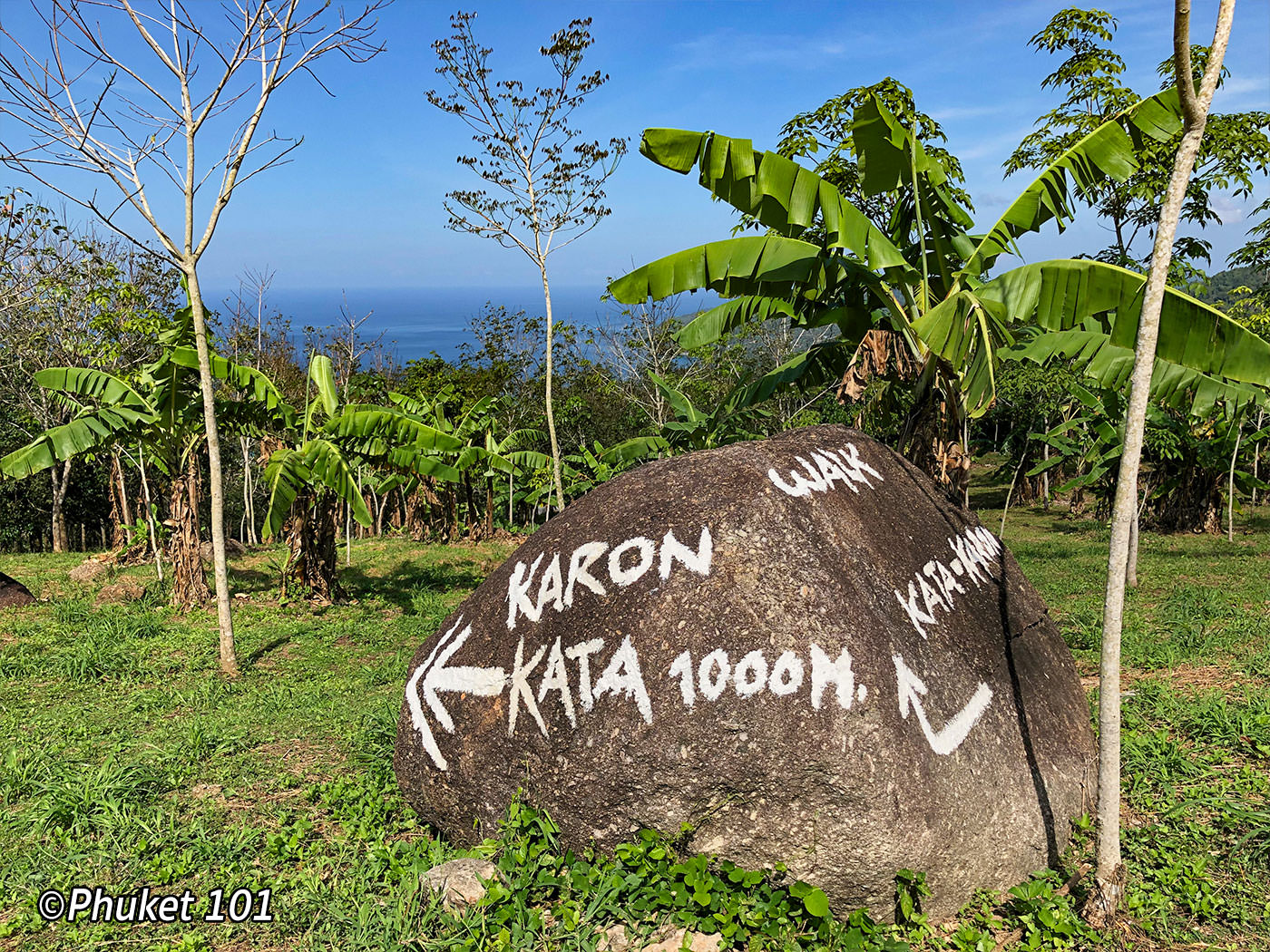
A trail starts from Patak Road in Karon, opposite Baan Karon Resort. The route covers about 2.3-2.5 km and takes roughly an hour with rest breaks. Google Maps labels it the Kata-Karon Hiking Trail. Part of the hike follows a road or partially paved track, but about 1,500 metres involves a steep dirt track through the jungle. One section is quite steep and slippery, with ropes installed to help climbers. Proper shoes, water, and reasonable fitness are recommended.
The trail meets Soi Yot Sane 1, the main road to the Big Buddha, with about 500-650 metres left to walk along the road before reaching the hilltop. The view feels more rewarding after the physical effort of walking up. Read more about hikes to Big Buddha.
Phuket Big Buddha Video
Where to Eat near Big Buddha?
When I drive down from the Big Buddha, I usually stop at Nak-Kerd Seaview Cafe. It’s been there longer than most of the other places along the road, and the view is better too. We always pick a table facing Karon Beach. The terrace is full of flowers, and when the season is right, butterflies gather around them while you eat. Nothing fancy, just cold drinks and simple food with a view that makes you linger.

When Was Big Buddha Phuket Built?
The project started in 2002 when General Phijit Kulawanich, Privy Councillor, laid the foundation stone on 26 May 2002. The statue was promoted as a symbol of peace for Phuket, and in 2008 it was officially declared the “Buddhist Treasure of Phuket”. Behind that branding, the project has always been funded by tourist donations, and over the years it has grown into one of the busiest paid attractions on the island, even though entry itself is free.

The statue stands 45 metres tall and 25.45 metres wide. It’s made of reinforced concrete covered with white Burmese jade marble called Suriyakanta. About 135 tonnes of marble were imported from Myanmar, giving the statue its distinctive, almost glowing appearance in late afternoon light. Visitors could sponsor a marble tile for 300 or 1,000 baht, depending on size, and write their name on it. The foundation is anchored with 50 ferroconcrete piers reaching 12 metres deep.


More than 20 years after the foundation stone was laid, construction is still ongoing. The main statue and staircase are complete, but work continues underneath the platform, where new halls and exhibition areas are slowly taking shape. Whether the project will ever be considered finished is an open question.
The 2024 Closure and 2026 Reopening
The site closed on 23 August 2024 after a landslide killed 13 people, including two Russian tourists and nine Myanmar workers. The disaster exposed illegal building work around the site, and the Royal Forest Department issued 25 conditions before reopening could happen.
A lawsuit followed. Tensions between local authorities, the temple foundation, and affected families delayed progress for months. The site briefly reopened on 1 January 2026 but closed again after just 3 days, creating confusion and disappointment among tourists who rushed up the hill to get a chance to approach the statue.
Big Buddha Phuket reopened on 3 March 2026 for Makha Bucha Day, and has stayed open since.
360 Panorama
More photos of Big Buddha Phuket


Big Buddha Phuket Info
Location: Chalong
Address: Soi Yot Sane 1, Chaofa West Rd, Nakkerd Hill, near Chalong
Open: 9 am – 6 pm daily (last entry 5.30 pm)
Phone: 083 556 2242
Dress Code: No short skirts or short pants, no sleeveless T-shirts
Admission: Free
Parking: Free
Best time to visit: Late afternoon
Time needed: 1 hour
Official name: Phra Phutta Ming Mongkol Akenakiri
Height: 45 m, covered in white Burmese marble
Big Buddha Phuket Map
Open this map on your phone: https://goo.gl/maps/QfuQU3YyHwX2JrTR6.
This story was first published on January 6, 2011 – more about the Big Buddha of Phuket on Wikipedia.
