


Phuket Weather

Phuket weather follows a tropical monsoon pattern with two distinct seasons. The dry high season runs from November to April, bringing clear skies, calm seas, and comfortable temperatures. The wet low season stretches from May to October, with afternoon showers, occasional storms, and rougher seas.
I’ve lived in Phuket since 1994, and the question I get asked most is “when should I visit?” The short answer: December to March for guaranteed sunshine. But each season has trade-offs. High season means perfect beach days, but also higher prices and bigger crowds. Low season means cheaper hotels and empty beaches, but you’ll need a backup plan for rainy days. The sea stays warm year-round, around 28-29°C, so swimming is never an issue.
April 2026: Clear skies, temperatures reaching 35-40°C, calm seas. The hottest months of the year. Hotels are cheaper than in December-February. Songkran water festival runs 13-15 April.
See what Phuket looks like right now →
Patong Beach Live Webcam
The Patong Webcam is located at Patong Tower Apartment
What is the Best Time to Visit Phuket?

– High Season: December to March –
The high season runs from November to April, when the weather is at its best with sunny days and little rain. This is the most popular time to visit Phuket, and it can be divided into three distinct periods.
November to early December marks the start of the high season. The rain is mostly gone, but you may still catch occasional showers, and the sea can be a bit rough. Prices start climbing, but it’s not yet at its peak.
Mid-December to February is peak season. The weather is usually perfect, with clear blue skies, calm seas, and a pleasant breeze that keeps temperatures comfortable. This is when you come if you want guaranteed sunshine, blue water for swimming, and those Instagram photos with perfect skies. The trade-off? December and January see the highest hotel prices, especially around New Year’s. The south of the island gets very busy, so consider staying in the north if you want to avoid crowds. I have a list of quiet and hidden beaches in Phuket if that’s more your style.
March to May brings the hottest weather of the year. Temperatures can hit 35-40°C, and humidity rises. The sky stays blue, and the sea remains calm, but you’ll feel the heat. April is when Thailand celebrates Songkran, the water festival, which is a fun time to visit if you don’t mind getting soaked.
When is the Rainy Season in Phuket?
– Low Season: May to November –
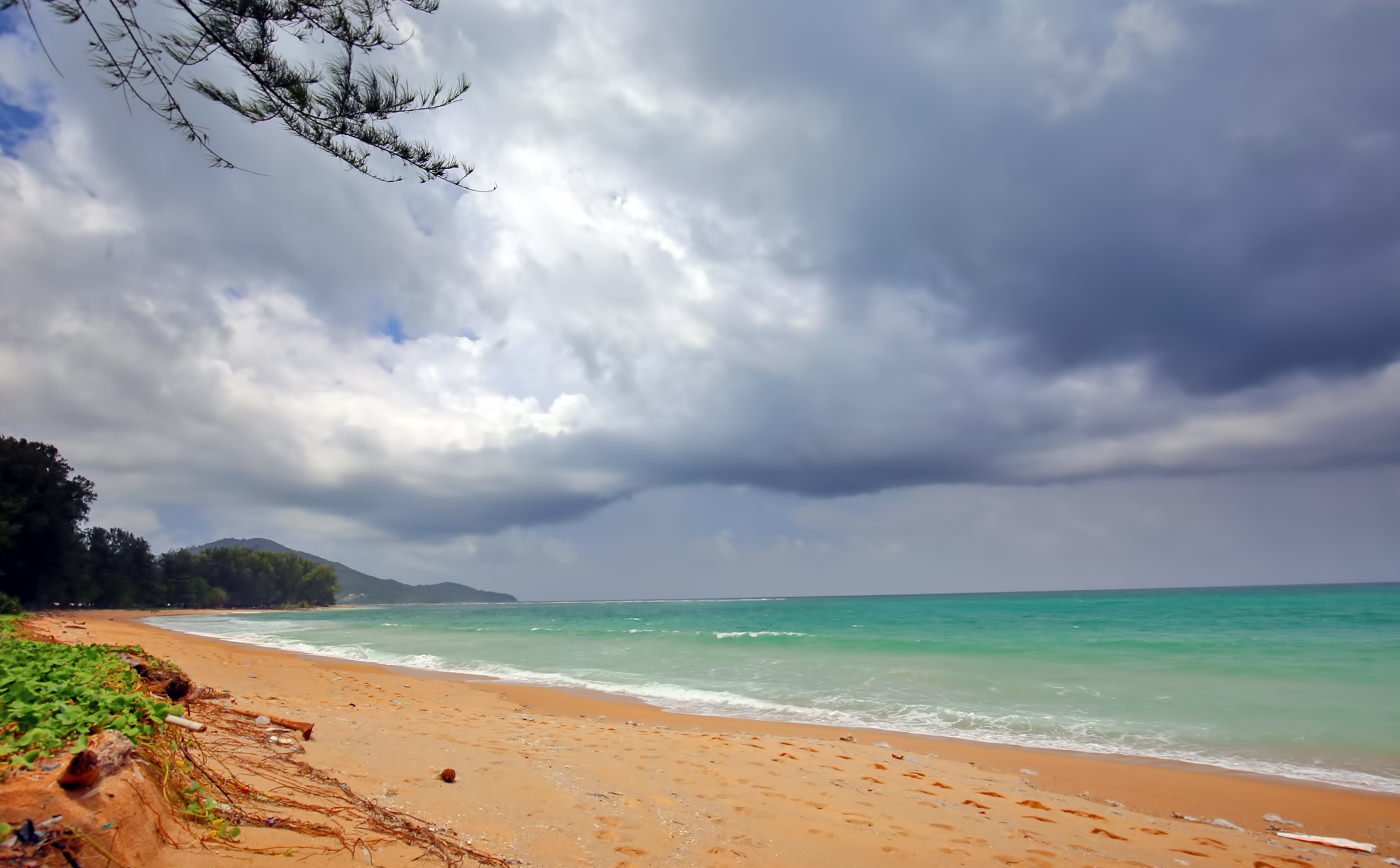
The rainy season, or low season, runs from May to October. But don’t let the name scare you off. It doesn’t rain every day, and when it does, showers are often short and come in the afternoon or evening. You can still have plenty of sunny mornings and blue sky days.
May to August is actually a mix of rain and sun, often quite pleasant. The monsoon is building but hasn’t fully arrived. You might get lucky with a week of perfect weather, or catch a few stormy days. No one can predict it.
September and October are the wettest months. Expect more grey skies, occasional heavy downpours, and rough seas. If blue skies and calm water are essential for your trip, these aren’t the best months to come.
The trade-offs work in your favour, though. Hotel prices drop significantly, roads have less traffic, and beaches feel more relaxed. Popular spots like Patong and Kata are quieter, which some people prefer. The flip side? Those peaceful northern beaches can feel a bit empty and neglected without the crowds.
One important note: even on sunny days, the sea can be rough with strong currents. Red flags go up frequently. I recommend booking a hotel with a swimming pool as backup.
Planning to visit during the low season? Read my guide to Things to Do in Phuket When it Rains and 10 Tips for a Great Rainy Season Holiday.
What is the Hottest Month in Phuket?

– Peak Season: April and May –
April and May are the hottest months in Phuket. That much is guaranteed, and it never fails. The sky is usually blue, and the sea is very calm.
Temperature can reach 40˙C, and everyone in Thailand is celebrating the end of the warm season by throwing water at each other. The famous Songkran Festival can last three days or more, depending on the weather and which part of Thailand you are in. Remember to protect your skin and not spend too much time directly in the sun on the first day. That is a classic beginner’s mistake.
Phuket Weather Forecast
Average Temperatures, Rain and Occupancy
| Month | Daytime Temp | Sea Temp | Rain Days | Season |
|---|---|---|---|---|
| January | 32.7°C | 29°C | 5 | ☀️ Peak |
| February | 33.6°C | 29°C | 3 | ☀️ High |
| March | 34.0°C | 30°C | 5 | ☀️ High |
| April | 33.9°C | 30°C | 11 | 🔥 Hot |
| May | 32.8°C | 30°C | 21 | 🌧️ Low |
| June | 32.4°C | 30°C | 19 | 🌧️ Low |
| July | 32.0°C | 30°C | 20 | 🌧️ Low |
| August | 32.0°C | 29°C | 19 | 🌧️ Low |
| September | 31.5°C | 29°C | 23 | 🌧️ Wettest |
| October | 31.5°C | 29°C | 22 | 🌧️ Low |
| November | 31.7°C | 29°C | 16 | ⛅ Transition |
| December | 31.7°C | 29°C | 8 | ☀️ Peak |
Phuket Weather Month by Month
Every day, someone will write and ask, ‘How is the Weather in Phuket in June?’ or in August? or in October? Of course, Phuket is a resort destination, so people have the right to be worried. When you travel that far, wait that long and invest that much. You want to have some sun to get that suntan and blue sea to swim in, and bring some fantastic photos!

Phuket weather is not that simple. Yes, there are two seasons, and you can expect more sun during the high season and some rain during the rainy season, but each year, the weather is very different. There is no way to predict if it will not rain in January, and you could have an amazingly sunny October (which used to be known for being one of the wettest months of the year).

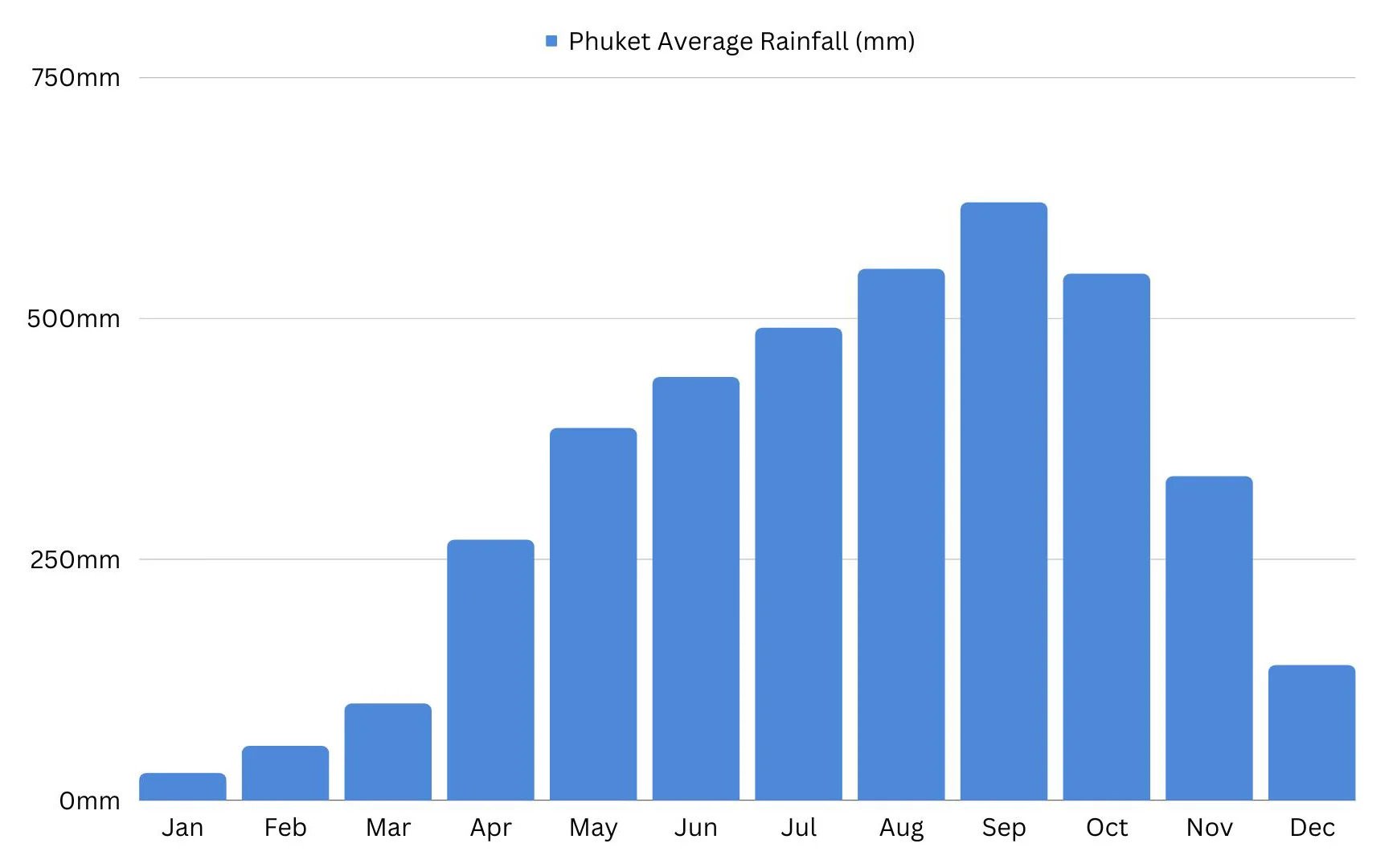
Phuket Yearly Rain Chart
These are common indications. As anyone who has lived here long enough knows, each year is different!
What Should I Pack for Phuket?
December to March is the best time to visit Phuket, when the sky is clear, and the sea is quiet and blue. The high season starts in November and ends in April. The sky is clear with a tropical island climate, and the sea is calm and turquoise blue. During those months, the island is rather busy, and hotel prices are higher.
The temperature is warm all year round, so you should always pack light.
You won’t need more than t-shirts, shorts, light pants or light skirts, and a light jacket (that you may never use). Adding a light raincoat and an umbrella may be a good idea. Anyway, all these items are straightforward to find everywhere at low prices, so pack light and save some space in your suitcase to buy some souvenirs. Ironically, locals will consider the weather to be ‘cold’ if the temperature gets close to 20˙C! Anyway, no matter which month you visit Phuket, it is always warm, and the sea feels like entering a warm bath.
🌧️ Phuket Rainy Season Information
The rainy season in Phuket brings occasional showers, but it doesn’t rain every day. Hotel prices tend to be lower, making it a more budget-friendly option for travellers. The roads experience lighter traffic, allowing for smoother and quicker journeys. The atmosphere is more relaxed as fewer tourists visit during this period. The trade-off? Those remote and peaceful northern beaches may feel a bit lonely without the crowds. It’s something to consider when planning your visit to Phuket.
Insider Tips on Phuket Weather
After 30 years of living in Phuket, I can tell you that high season does not always mean perfect weather. I have seen January weeks with unexpected rain, and October weeks with spotless blue skies. The weather here is genuinely unpredictable, and anyone who promises you guaranteed sunshine for a specific month is guessing.
If you are planning a trip, here is what I always tell friends. December to February gives you the best odds, but book early because prices peak around the New Year. March and April are cheaper, but the heat can be brutal. I often run around Bang Wad Reservoir in Kathu, and by April, the water level drops so low that most of the reservoir floor is just dry, cracked mud. It fills up beautifully during the monsoon, but the contrast is striking.
For the rainy season, my honest advice: May to July is usually fine. You get afternoon showers, but mornings are often sunny. September and October are the months I would avoid if blue skies matter to you. But if you want empty beaches and half-price hotels, those months can be surprisingly enjoyable.
One thing most guides will not tell you: the sea temperature barely changes all year. It stays around 28-29°C whether you come in January or August. The real difference is the waves. During the monsoon season, the west coast beaches get serious waves and riptides. The red flags are not suggestions. Every year, people drown because they ignore them.
Phuket Weather Through the Years
I arrived in Phuket in 1994, and the weather patterns have noticeably shifted since then. The high season is getting hotter each year. April temperatures that used to feel uncomfortable now regularly hit 40°C. The island has also changed. Thousands of new hotels and resorts have been built over the past three decades, and each one draws from the same limited water supply. During dry months, the demand far exceeds what the reservoirs can provide.
The rainy seasons have become more unpredictable, too. Some years, the monsoon barely arrives, and the island faces water shortages. Other years, the rain simply does not stop. In August 2024, prolonged heavy rainfall triggered a devastating landslide on Nakkerd Hill near the Big Buddha. Thirteen people lost their lives, and the site has been closed ever since. It was a reminder of how powerful the monsoon can be when it arrives in full force.
The transition months have shifted as well. November used to mark the clear start of the high season, but in recent years, rain has pushed well into December. The old, reliable calendar that locals depended on for decades is no longer as accurate. Global warming is not an abstract concept here. You can see it in the reservoir levels, feel it in the April heat, and watch it reshape the seasons year after year.
More about Phuket Weather
