


How to plan your trip to Phuket

Planning a trip to Phuket can be stressful whenever you travel to a new destination for the first time. There are many unanswered questions, and the stress grows proportionally if the cost is high. Phuket is no different. Travelling has become more accessible, and a lot of information is now available online, but finding all the answers can be time-consuming, frustrating and, more often than you think, second or even third-hand! I’ve been answering these questions for over 10 years, so here’s everything you need to know.
Your Planning Timeline
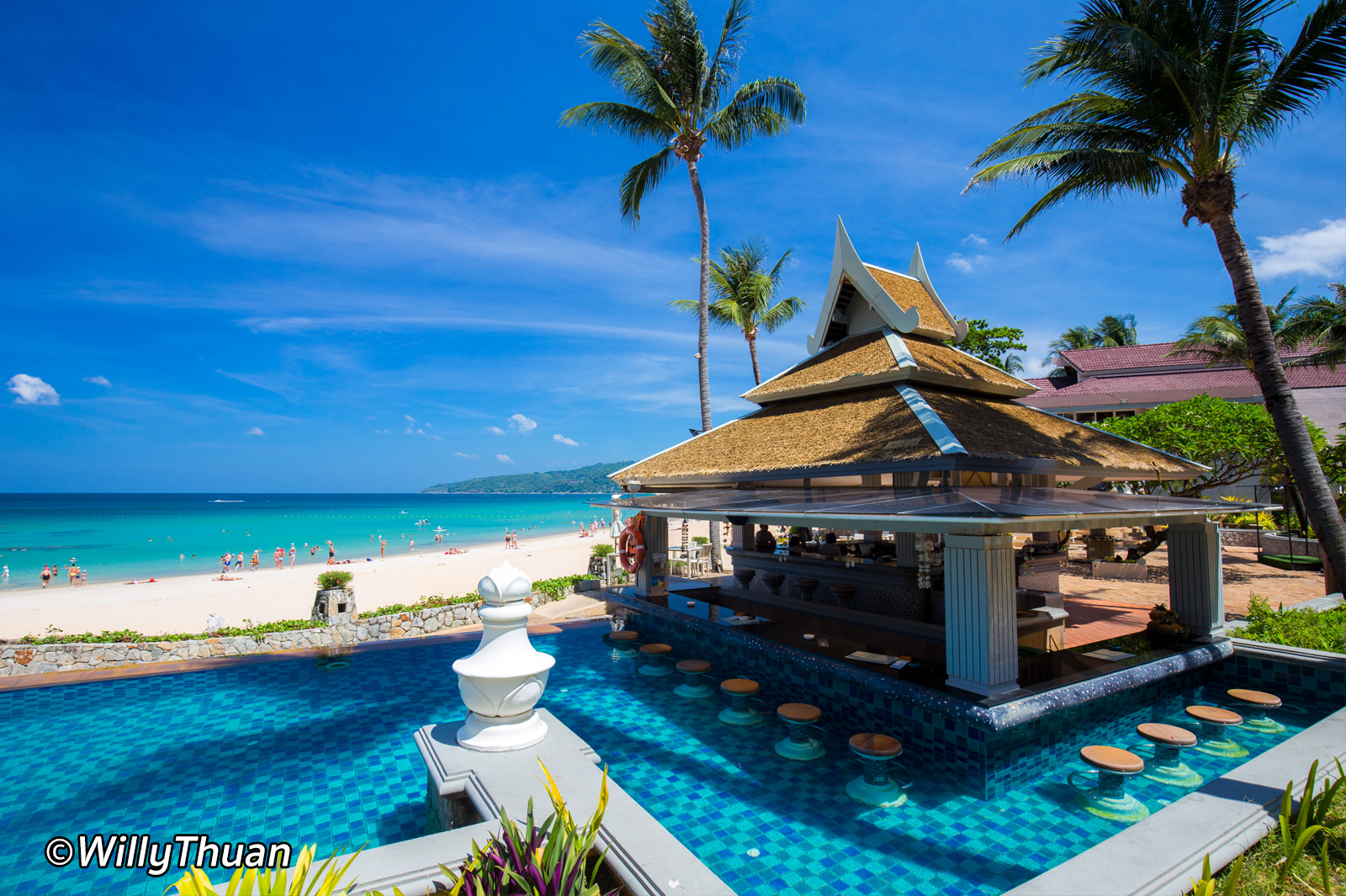
2 months before: Book your flights and hotel. High season (December to March) fills up fast, especially beachfront properties. If you’re coming during Christmas or New Year, book even earlier.
1 month before: Check visa requirements and complete your Thailand Digital Arrival Card (TDAC). Download the Grab app for taxis. Let your bank know you’re travelling so they don’t block your card.
1 week before: Screenshot your hotel address in Thai (ask the hotel for it). Check the weather forecast. Don’t over-pack.
Day of arrival: Get a SIM card at the airport (299-699 Baht). Change just enough money for your taxi. The rest can wait until you find a better rate in town.
What NOT to Stress About

You don’t need to pre-book most tours. Tour counters are everywhere. You can book Phi Phi, Phang Nga Bay, and most island trips the day before. Only book in advance for peak season (late December) or specialised tours like John Gray’s Sea Canoe.
You don’t need travel adapters. Most hotels have international plugs that fit everything. If yours doesn’t, 7-Eleven sells adapters for 50 Baht.
You don’t need much cash on arrival. ATMs are everywhere. Just get enough for your taxi (500-1,000 Baht depending on your beach) and grab more later.
You don’t need to speak Thai. English is widely understood in tourist areas. Learn “khop khun khrap/kha” (thank you) and you’re set.
You won’t get lost. Phuket is an island. The main beaches are all on the west coast, connected by one main road. Google Maps works perfectly here.
Before you go to Phuket
What is the best time to visit Phuket?

December to March are the coolest and supposedly the best months to visit Phuket. The weather is usually perfect, with clear blue skies, calm seas, and a pleasant breeze that keeps the temperature just right. This period is when you should come if you care about the blue sky and suntan and plan to spend a lot of time on the beach. However, with such beautiful weather, December and January are the peak months of the high season, so expect to pay more for your hotel, especially during New Year’s. Expect the south of the island to be very busy, so if you worry about the crowds, you should consider staying in the island’s northern part.
The rainy season is from May to November, but it doesn’t mean it will rain every day. Showers are usually short, often in the afternoon, and prices drop significantly. September and early October are the wettest months. Many travellers prefer May or June, when the rain is mild and the island is quiet.
Which beach should I select for my hotel?
There are more than 40 beaches in Phuket, and visitors can book a hotel on about 20 of them, so it’s no surprise that every first-time traveller is worried about making the right choice. The first thing to know is that the large majority of hotels are on the west coast, and most people will tend to rush to the southwest beaches: Patong, Kata, Karon and Kamala. Most beaches in the north are a lot quieter.
Here is a quick guide to help you choose:
Patong Beach is the busiest and most convenient. Everything is walkable: restaurants, shopping, nightlife, and tour agents. The beach is long and lively. Best for first-timers who want easy access to everything and don’t mind noise.
Kata Beach is the best all-round choice for families and couples. The beach has calm water during high season, good restaurants nearby, and it’s only 15 minutes from Patong by car. Quieter but not isolated.
Bang Tao Beach is the upmarket area with luxury resorts, beach clubs, and fine dining. The beach is long and never crowded. Good for couples and those who prefer a more relaxed, modern atmosphere.
Kamala Beach is quiet, relaxed, and family-friendly. The beach is beautiful and much less crowded than Patong, which is just 10 minutes away. Good for people who want peace during the day and can taxi to Patong for a night out.
Mai Khao Beach is the longest beach on the island, in the far north near the airport. Very quiet, with a handful of luxury resorts (including JW Marriott) and almost no development. Best for those who want total relaxation and don’t plan to move around much.
Do I need a Visa for Phuket?

Most visitors don’t need a visa. Thailand grants 60-day visa-free entry to travellers from 93 countries, including the UK, US, all EU nations, Australia, China, India, and Russia. This changed in July 2024 when the previous 30-day limit was extended.
You can extend your stay once for another 30 days at any Thai immigration office for about 1,900 Baht, giving you up to 90 days total.
Thailand Digital Arrival Card (TDAC): From 1 May 2025, everyone entering Thailand must complete the TDAC online within 72 hours before arrival. It’s free at tdac.immigration.go.th. Don’t use any other websites. They’re scams.
Entry limits: You can only enter visa-free twice per calendar year. Land border crossings are limited to two per year with 15-day stays.
Use this link to check if your country requires a visa on arrival (and how to get one online)
What should I pack for Phuket?
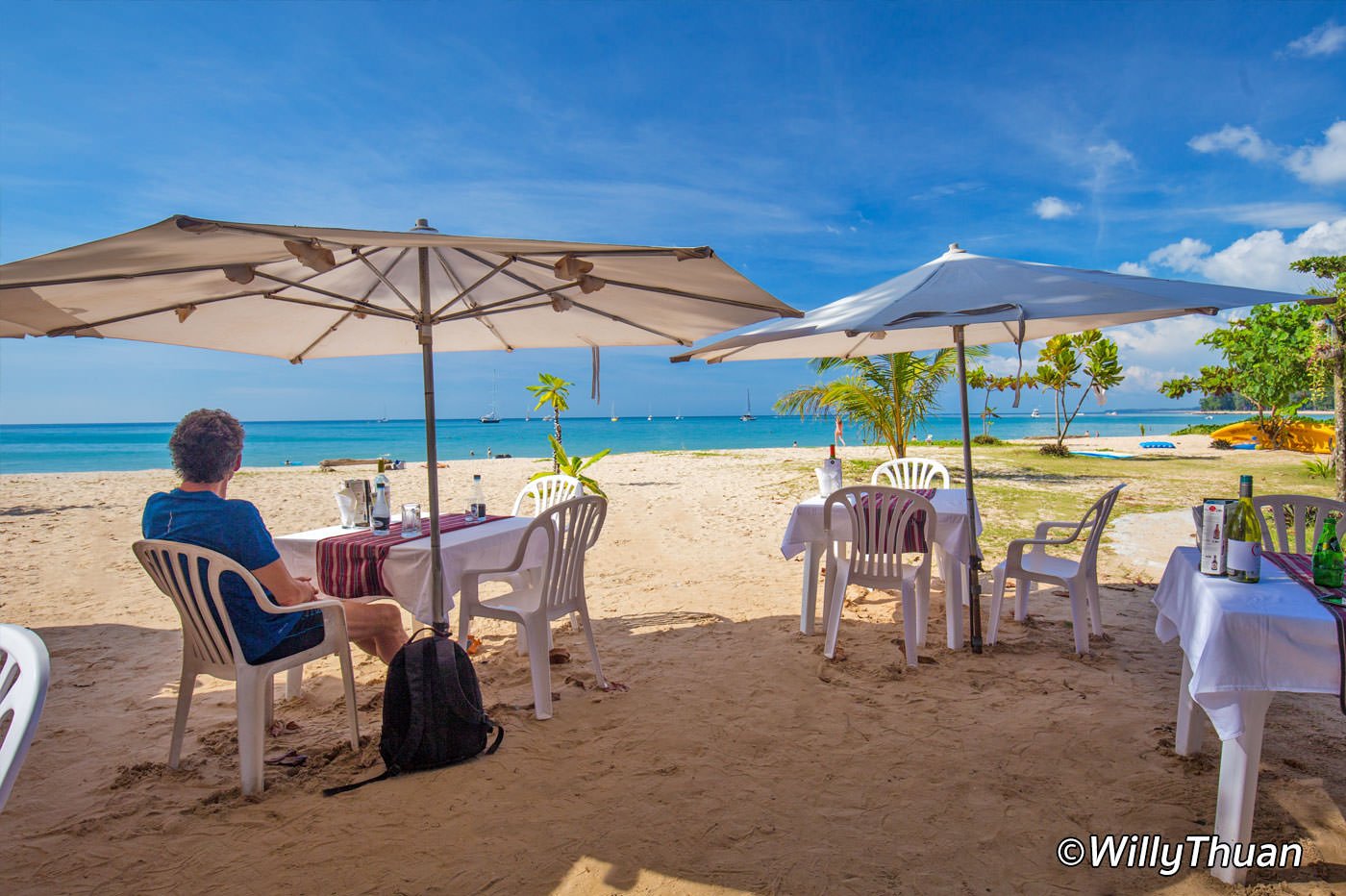
The answer to this question is simple: Phuket is warm all year round, never colder than 25°C, so you will never need warm clothes! Light cotton clothes, swimwear, sunscreen, sunglasses, and a hat are the essentials. Bring a light rain jacket if you are visiting during the monsoon season (May to November). If you plan to visit temples, pack something to cover your shoulders and knees. For the rest, if you forget anything, you will easily find it in the many supermarkets, convenience stores and night markets. Read more about what to take to Phuket
Plugs and Electricity
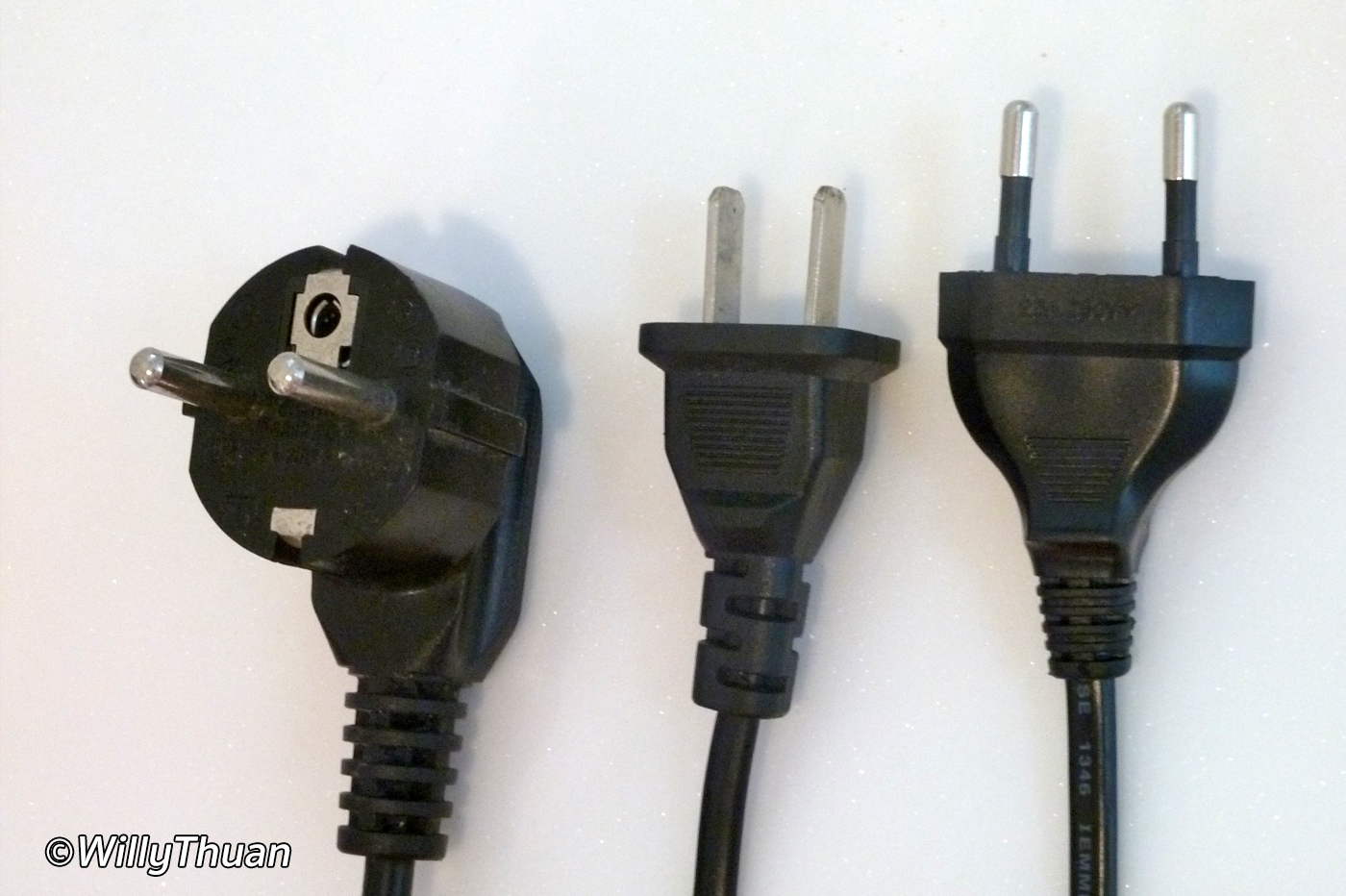
220 Volts, 50/60 Hz. The most common plug is the two round pins (Europlug CEE 7/16), sometimes with a ground pin. You’ll occasionally see the old two flat parallel blades similar to the US (NEMA 1-15). Most modern sockets accept both. Adapters are easy to find at any convenience store for about 50 Baht. Most hotels use international plugs that accommodate different country plugs anyway.
Currency

Thai Baht. Banknotes: 1,000, 500, 100, 50, 20. Coins: 10, 5, 2, 1 and the useless 50 satang (0.5 baht) and 25 satang (0.25 baht). Major credit cards are accepted in many stores and restaurants, but not in taxis, markets, massage shops, beer bars and other local businesses. QR code payments are becoming more common, even in small restaurants.
Should I change my money before I travel?
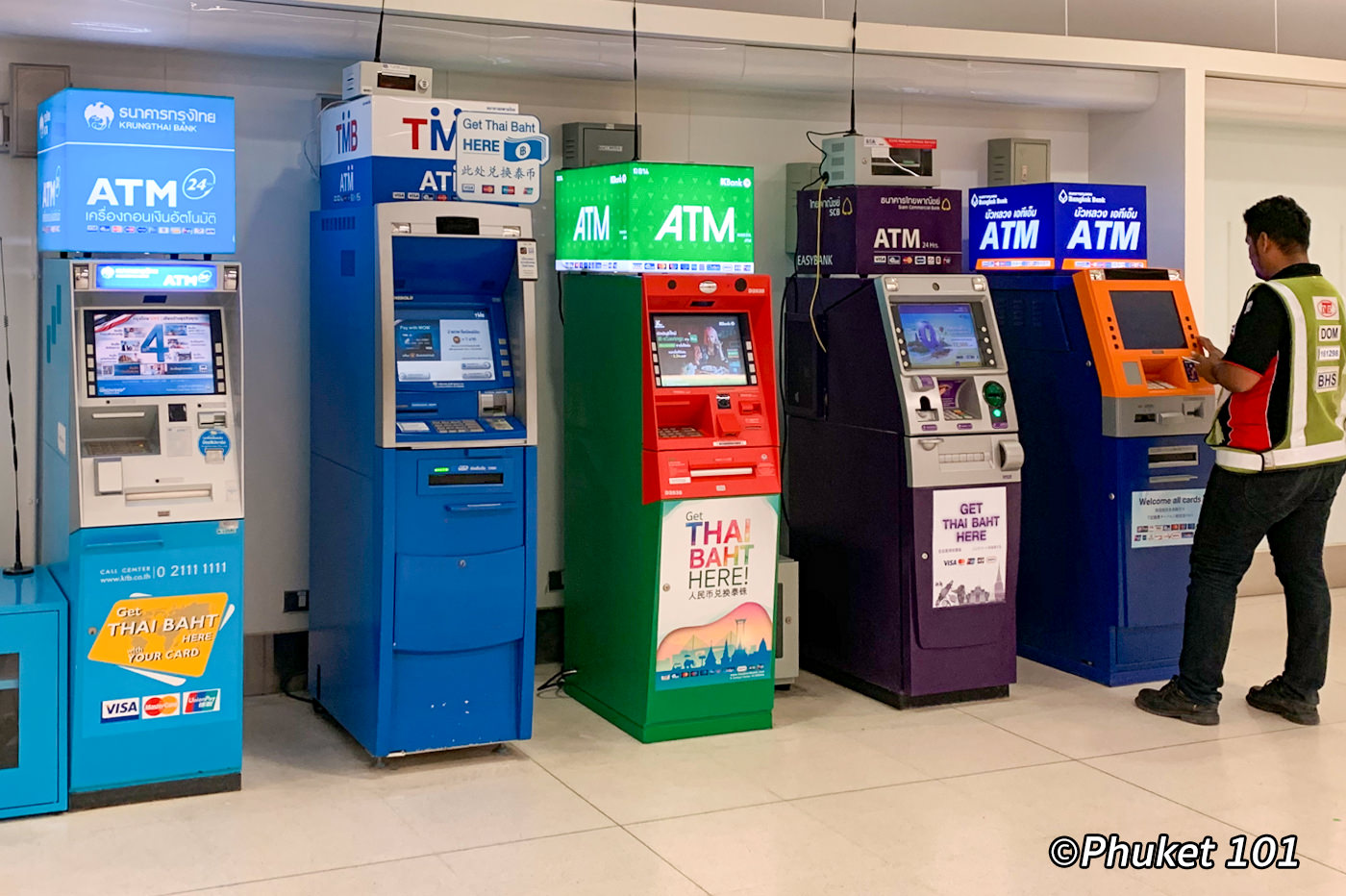
No. The exchange rate is better in Phuket than in your home country. There are money exchange counters and ATMs at Phuket Airport where you can change just enough for your taxi and maybe a bit extra. Find a better rate in town the next day.
Once in Phuket
What is the best way to change money in Phuket?
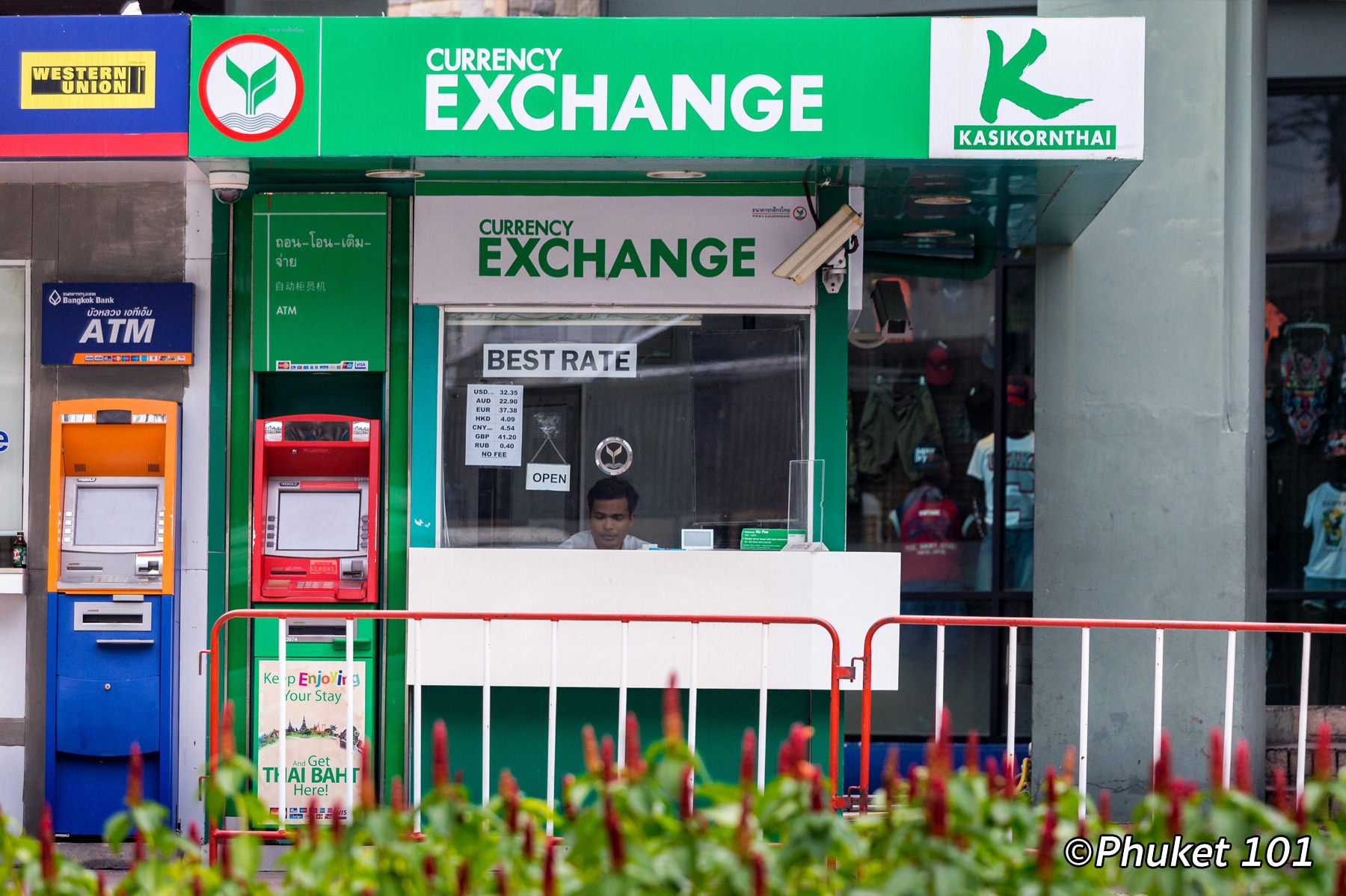
Change in the street, at unbranded booths. Walk around to compare rates. There are usually many booths in beach towns. Bank exchange booths are also fine, just a little more expensive. The difference is small and won’t make much difference at the end of your holiday, so don’t waste too much time on it.
ATM fees: Thai ATMs charge a 250 Baht fee for foreign card withdrawals. AEON Bank ATMs charge only 150 Baht but are harder to find. Withdraw larger amounts to minimise the fee impact.
Can I use my credit card in Phuket?
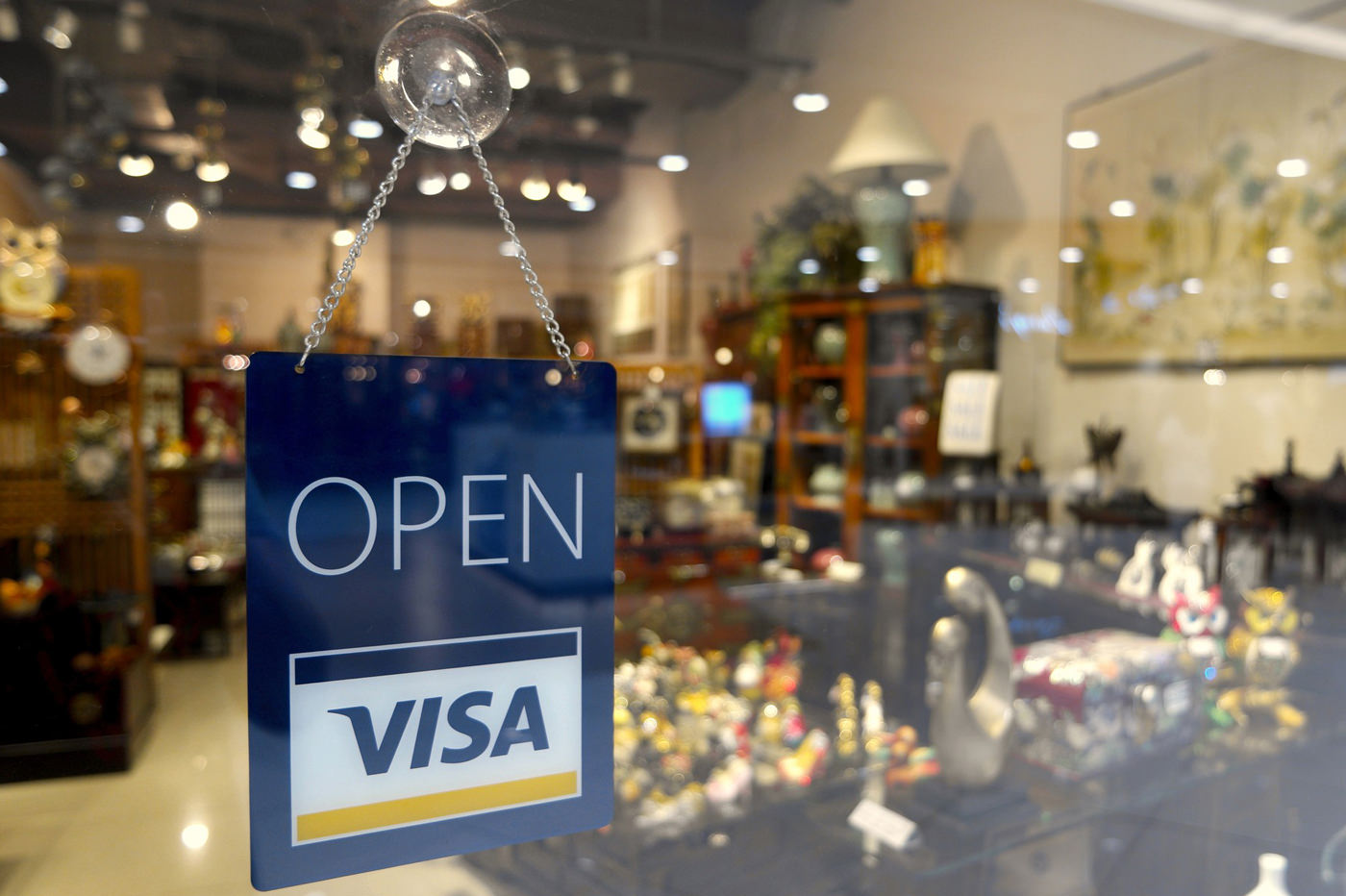
Credit cards are not accepted everywhere in Phuket, but things are improving. You can use one at shopping malls, convenience stores and established restaurants. The rule of thumb:
1) Ask the staff before you sit at the restaurant or check the accepted credit card stickers at the door.
2) Always carry enough cash for the day in case they don’t accept cards. ATMs and money changers are everywhere and easy to find anyway. Visa is the most used, followed closely by Mastercard. American Express is not often accepted outside shopping malls.
Will not accept: Markets, local restaurants, tuk-tuks and taxis.
Will accept: Shopping malls, convenience stores, upmarket restaurants, and some tour agents (sometimes with a 3% fee for small amounts).
Where can I get a SIM card?
Tourist SIM packages at Phuket Airport cost 299-699 Baht depending on data allowance. Look for the AIS, DTAC, or TrueMove stands in the arrivals area. Staff speak English and will set everything up for you.
You can find cheaper packages at 7-Eleven once you’re settled, starting from 199 Baht for basic 30-day internet. All three networks work well across Phuket.
eSIM option: If your phone supports eSIM, you can pre-order online and activate instantly without visiting a shop.
How will I go from the airport to my hotel?
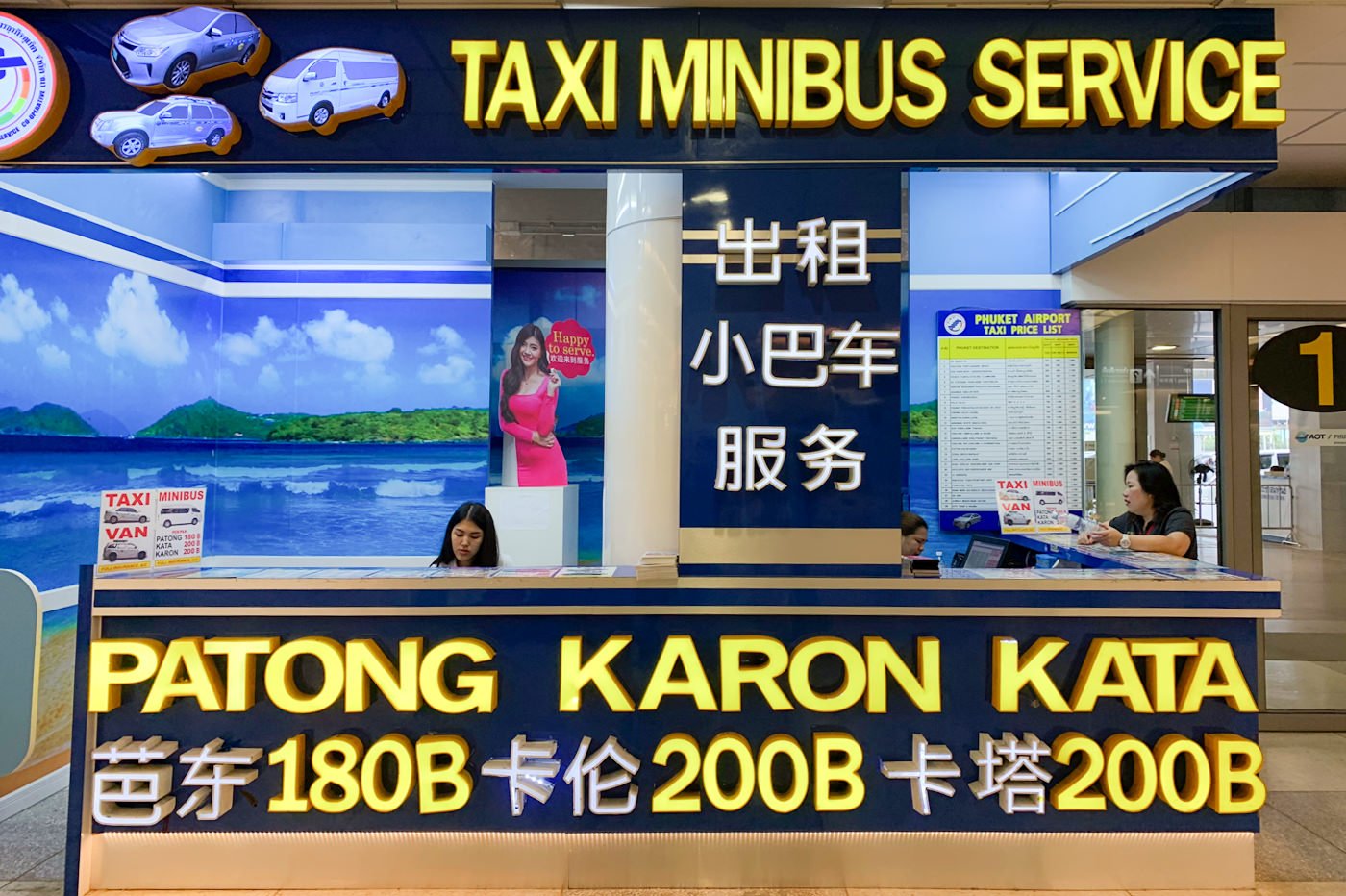
There are plenty of ways to reach your hotel from Phuket International Airport, even if you land very late. From the most expensive (fastest) to the cheapest (can take hours):
1) Book a transfer with your hotel
2) Use the airport silver limousines
3) Use a taxi meter
4) Share an airport minivan
5) Ride the Phuket Smart Bus (50-170 Baht)
A private transfer to Patong costs around 800-1,000 Baht. To Kata or Karon, expect 1,000-1,200 Baht. The shared airport minivan is cheaper (around 200-300 Baht per person) but stops at multiple hotels along the way, so it takes longer. The Smart Bus is the cheapest option but only runs along the west coast route and stops at set points, not at your hotel door. I describe all the options at length here
How do I get around Phuket?

Getting around Phuket is easy during the day and not too difficult at night. Here are the main options:
Grab and Bolt are the most practical options for most visitors. Fixed prices, no negotiation, and you can see the fare before you book. Most rides between beaches cost 150-400 Baht. Download the app before you arrive.
Tuk-tuks are everywhere and fun to try at least once, but they are the most expensive way to get around. A short ride within Patong can cost 200-300 Baht. Between beaches, expect 400-600 Baht. Always agree on the price before you get in.
Phuket Smart Bus runs along the west coast from the airport to Rawai, stopping at all the main beaches. Fares are 50-170 Baht depending on distance. It’s cheap but slow, and buses don’t come very often.
Phuket Blue Bus (Songthaew) is the old local bus system connecting Phuket Town to the main beaches. These open-air trucks run fixed routes for just 30-50 Baht per ride. They are cheap and reliable during the day, but stop running in the early evening. The main routes go from Phuket Town to Patong, Kata, Karon, and the airport. It’s a great way to experience how locals get around.
Motorbike rental is the cheapest and most flexible option (200-350 Baht per day), but driving in Phuket comes with real risks. The roads are hilly, the traffic can be chaotic, and accidents involving tourists are common. If you do rent one, wear a helmet, get proper insurance, and drive slowly.
Car rental starts from about 800-1,200 Baht per day for a basic car at the airport. It gives you the most freedom to explore at your own pace. Pay extra for full insurance coverage.
A private driver with a van is my favourite option for sightseeing days. For 2,400-2,700 Baht, you get a driver for the whole day who will take you wherever you want. Comfortable, flexible, and surprisingly affordable for a group or family.
Renting a Car in Phuket

Getting a car at the airport is easy, but it’s better to book ahead if you want a specific type of car, especially during busy times. Rates start at about 800-1,200 Baht per day for a basic sedan. A popular choice is a Toyota Yaris or Honda Jazz. SUVs and minivans cost more but are useful for families or groups.
The basic insurance only covers damage to other cars, not to your rental car. Before you leave the airport, check your car carefully. Paying more for full coverage insurance is a good idea. Renting from the street is riskier. You might save some money, but if something goes wrong, it could be difficult. In any emergency, you can call the tourist police at 1155. They speak good English.
Is Phuket safe?

Phuket is very safe, probably safer than most other countries. I have lived here since 1994, and serious crime against tourists is rare. That said, there are a few things to be aware of:
Swimming: The biggest real danger in Phuket is the sea during the monsoon season (May to October). Rip currents are strong, and people drown every year. Red flags mean no swimming, no exceptions. Yellow-red flags mean swim only between the flags where lifeguards are on duty.
Roads: Motorbike accidents are the second biggest risk. Hilly roads, unfamiliar traffic rules (driving on the left), and wet surfaces catch tourists off guard. Always wear a helmet and don’t drive after drinking.
Scams: The most common are overpriced tuk-tuk rides, jet-ski damage claims, and “gem shops” that sell worthless stones at high prices. Use Grab for transport, inspect any rental equipment before use, and never follow a stranger to a shop they recommend.
The island offers many options and activities for the solo traveller too. Solo women can feel comfortable here, and I know many who visit regularly on their own.
Travelling with Children
Phuket is one of the easier places in Thailand to travel with young children. The tourist infrastructure is well developed, Western food is available everywhere, and the main hospitals have English-speaking doctors and modern facilities. Hotels have high standards across every budget, and Thai people love children and will always smile at them.
That said, a few things are worth knowing before you arrive. The sun is stronger than most visitors expect, so hats, reef-safe sunscreen and shaded hours are not optional with young kids. In low season (May to October), the west coast beaches can have strong waves and red flags, so check before swimming and pick a calm beach like Kata or a hotel pool. Baby supplies and toddler equipment are easy to buy locally, so there is no need to overpack. For the airport transfer, pre-book a car seat if you need one, as they are not standard in Thai taxis.
For the full list of preparation tips, health and safety advice, and what to expect on the island with young children, see my detailed guide on 19 tips for travelling to Phuket with children. For what to actually do once you arrive, see my 29 best things to do in Phuket with kids.
Should I book my tours in advance?

For most tours, no. Tour availability depends on the month you arrive and how specific you are about the company you want to use. Most tours can be booked once in Phuket with your hotel tour counter (a bit more expensive), on the street, or at a travel shop. All are safe to use and can organise almost any tour since they all work with the same operators anyway.
If you want something more specialised, like a private cruise or sea canoe with John Gray, you should book online in advance to avoid disappointment. Also, remember that December and January are peak months, so don’t wait until the last minute during high season.
Can I book a taxi with a driver for a day?
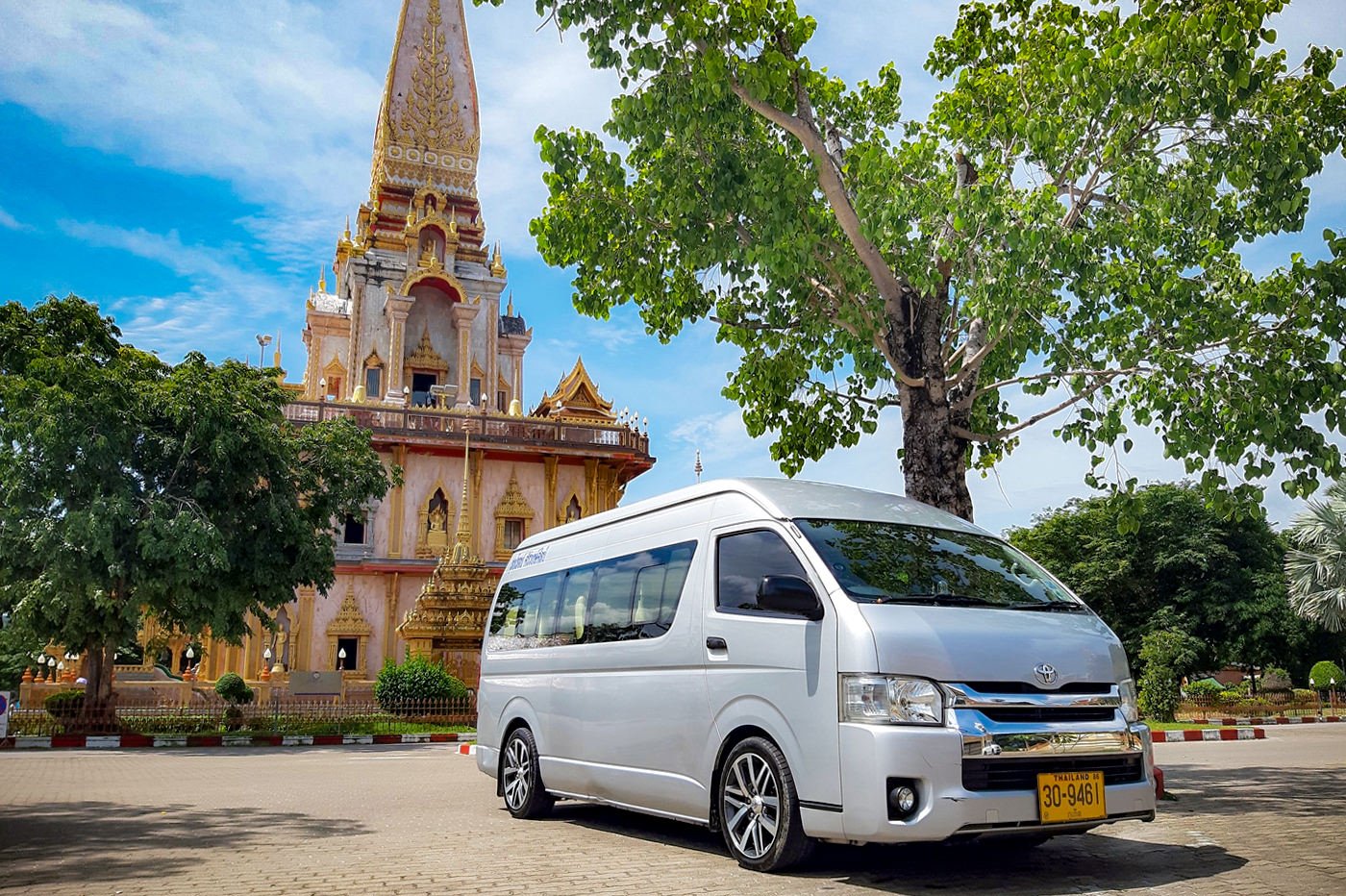
Yes, and it’s easier and cheaper than you might think. A driver with a comfortable air-conditioned van costs 2,400 to 2,700 Baht for a full day, depending on how far your hotel is from the south (where most landmarks are). The driver will follow your itinerary or help you plan the day, often with great local advice. This is by far the best way to see Phuket’s temples, viewpoints, and beaches in one day without the stress of driving yourself. Ask your hotel to arrange one, or check the Phuket 101 Facebook group for recommendations.
What are the things I shouldn’t miss?

If this is your first trip and you have about a week, here are the five things I would prioritise:
1. Phang Nga Bay is the single most impressive day trip from Phuket. The limestone cliffs rising from the water are unlike anything you have seen. Go by kayak if you can.
2. Old Phuket Town is a half-day of colourful Sino-Portuguese streets, local food, coffee shops, and street art. Most visitors skip it and regret it later.
3. Phi Phi Islands are on every list for a reason. Maya Bay is open again, and the scenery is extraordinary, even if the island gets busy.
4. A sunset viewpoint. Promthep Cape is the most famous, but I prefer a rooftop bar or sunset restaurant where you can enjoy the view with a drink in hand.
5. A night market. Chillva Market or the Sunday Walking Street in Phuket Town are the best for food and atmosphere.
For the full list, see my 75 Best Things to Do in Phuket.
What are the things I shouldn’t do?

Thailand is very open-minded, more than most countries. But there are a few things a traveller should know:
Don’t disrespect the Royal Family. This is a serious criminal offence in Thailand, not just a cultural taboo. Avoid any comments or jokes about the monarchy.
Don’t ride elephants. Elephant trekking still exists in Phuket, but is widely considered unethical. Visit an elephant sanctuary instead, where you can walk with and feed them without riding.
Don’t swim when red flags are up. This is the number one cause of tourist deaths in Phuket. Rip currents during the monsoon season are extremely dangerous.
Don’t dress inappropriately at temples. Cover your shoulders and knees. Wearing revealing clothes in a temple will only be frowned upon, but it shows disrespect.
Don’t point your feet at people or Buddha images. Feet are considered the lowest part of the body in Thai culture. Keep them on the ground and pointed away from others.
FAQs about Planning a Trip to Phuket
More First-Time Guides