Post Views: 5,412
A Chinese Shrine in Phuket Town
5,412 viewsBy Willy Thuan · Living in Phuket since 1994
Now I have enough detail. The key facts from the research: founded in 2001 (Buddhist Era 2544), dedicated to Guan Yin Bodhisattva, initiated by Mr Suwatchai Ekachaisiri, who donated the land, opened May 2002, Chinese-style architecture, the shrine focuses on chanting and meditation practice, participates in the Vegetarian Festival, and holds weekly Dharma teachings on Thursdays through a spirit medium. It’s near the Khao Rang intersection. Here’s the paste-ready text:
A Chinese Shrine in Phuket Town
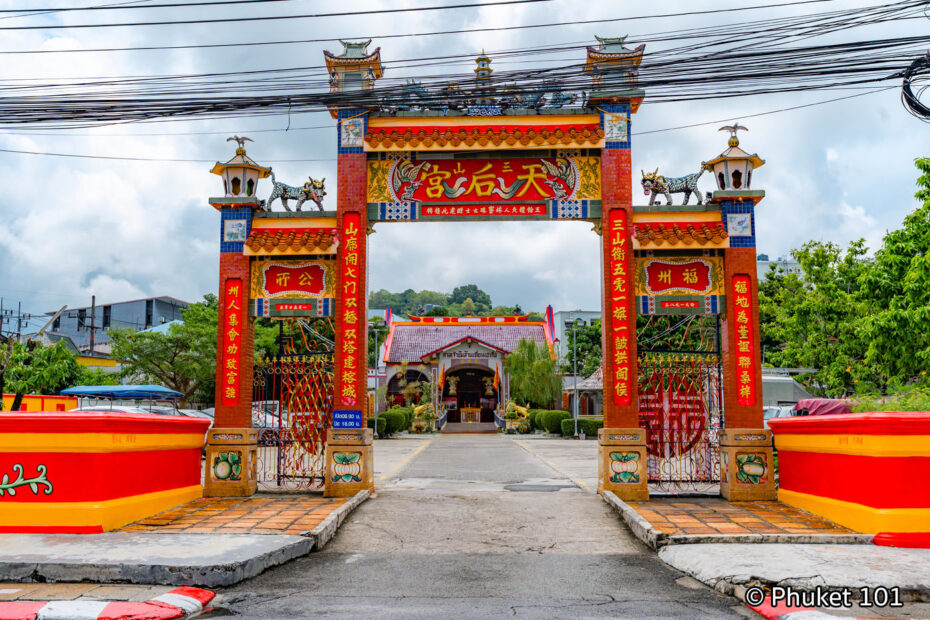
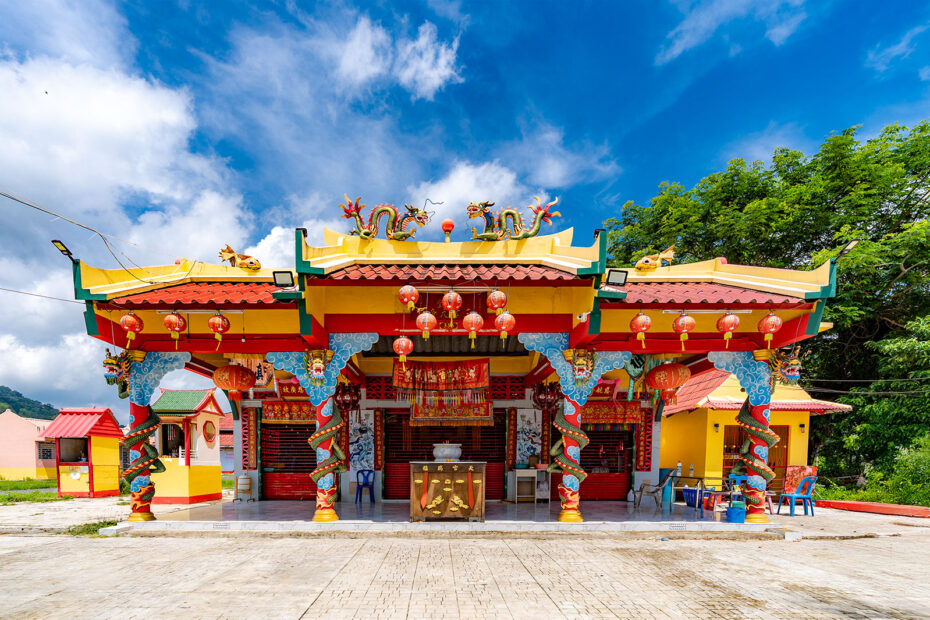
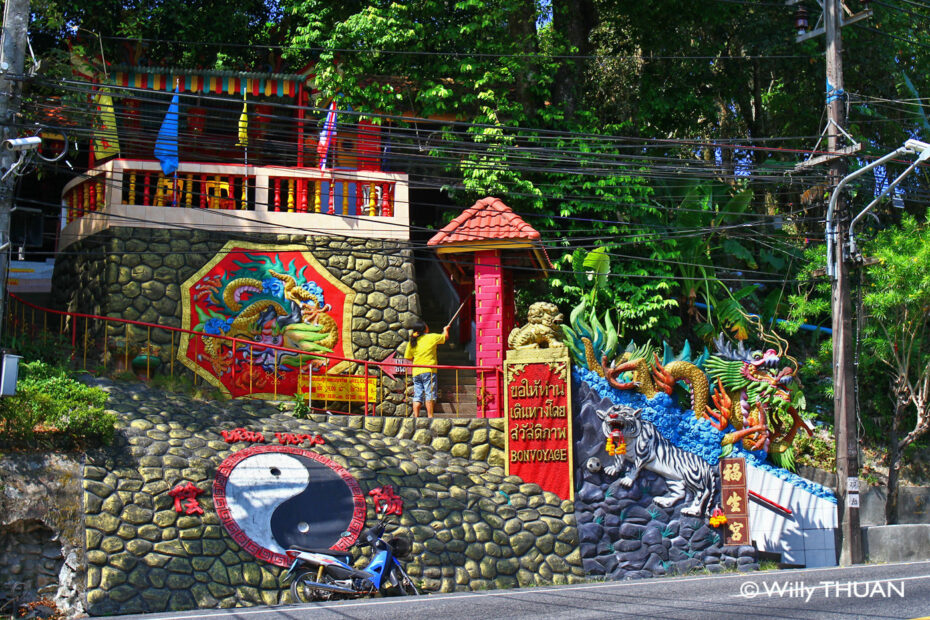
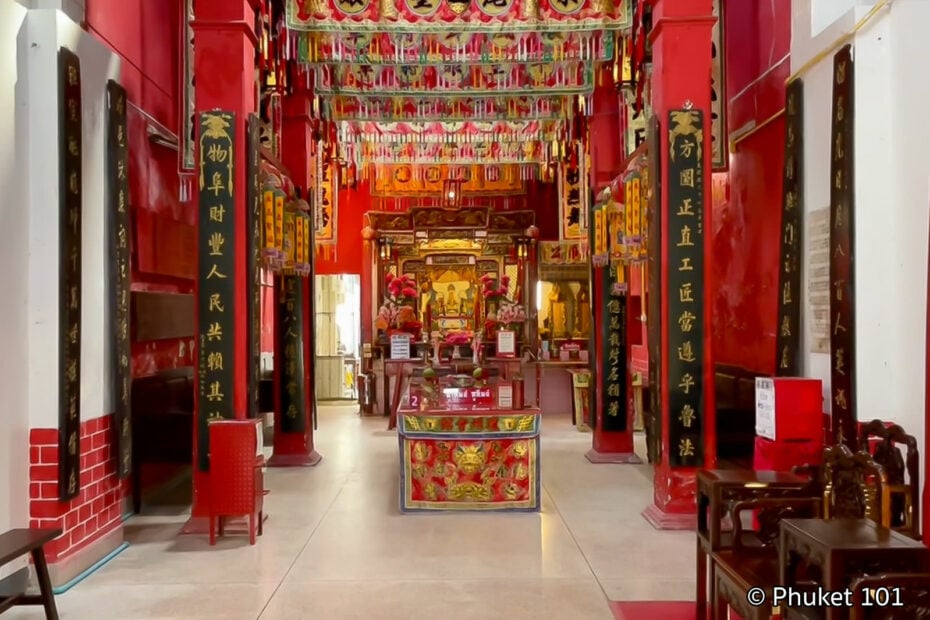
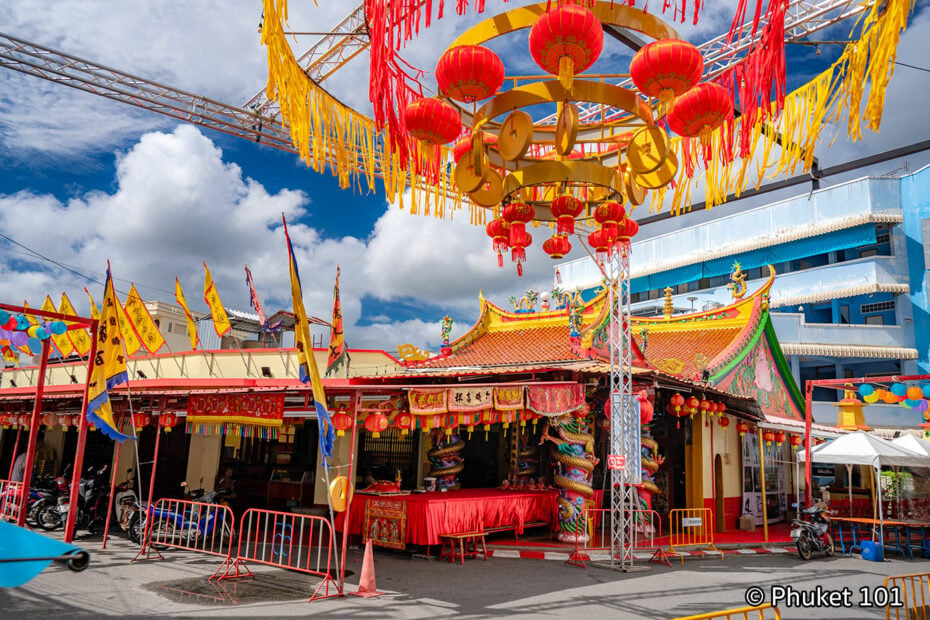
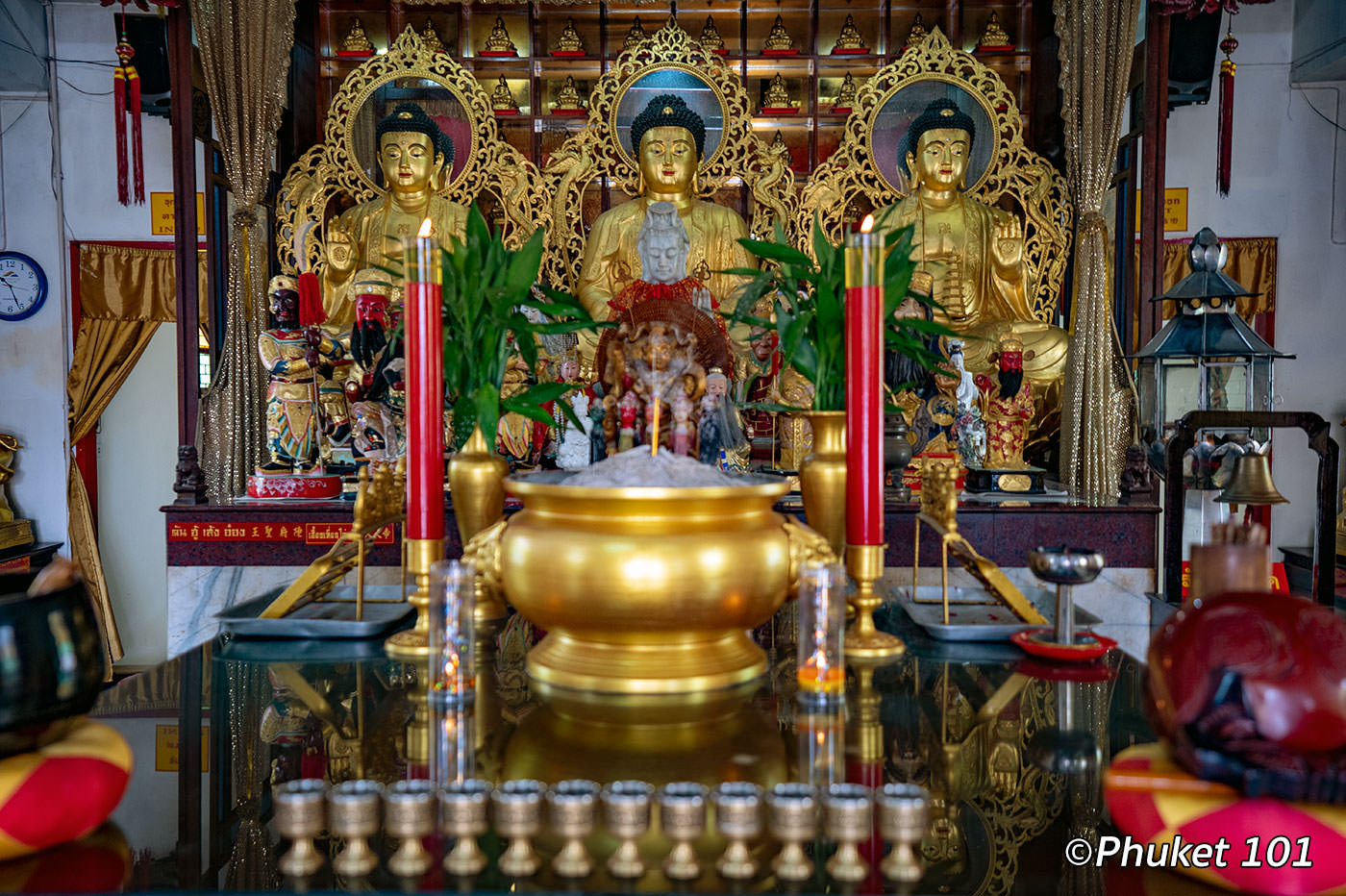
Sam Sae Chu Hut Shrine (also written Sam Sae Joo Hud) is a Chinese Taoist shrine at the intersection of Khaw Sim Bee Road and Mae Luan Road in Phuket Town, on the road leading up to Khao Rang Hill. The shrine opened in May 2002 and is dedicated to Guan Yin, the Bodhisattva of Mercy, one of the most widely revered figures in Chinese Buddhism across Phuket.
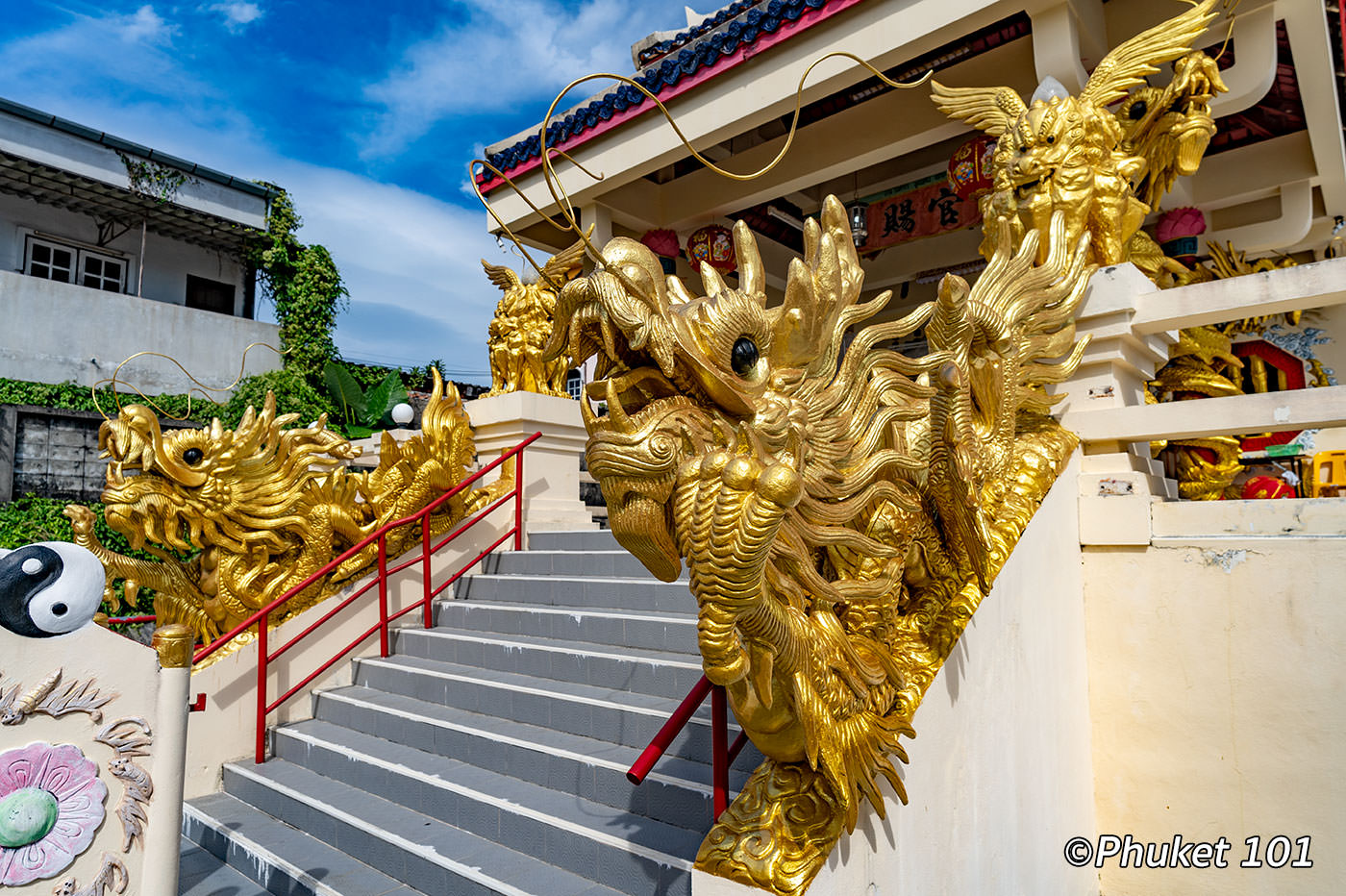
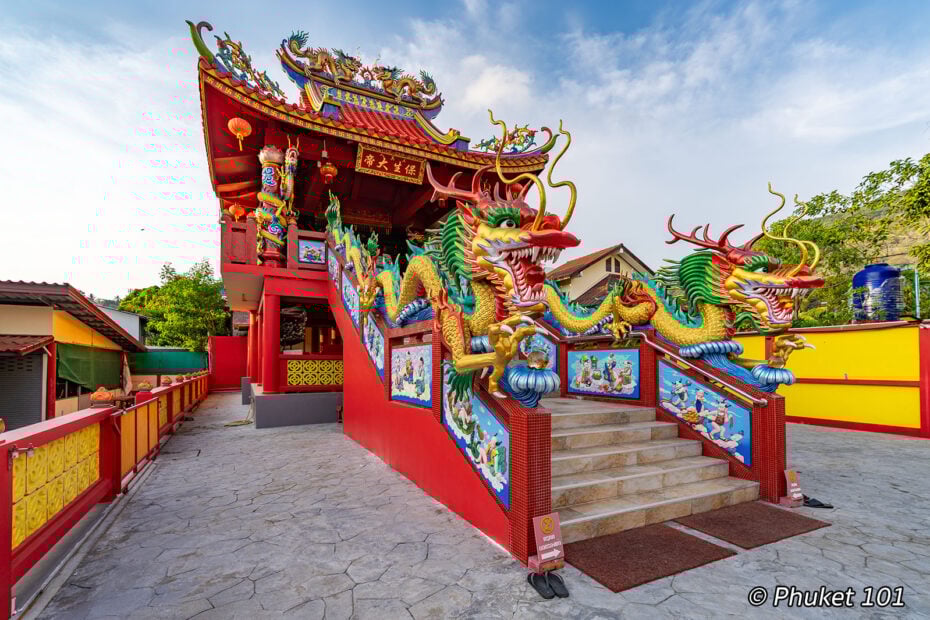
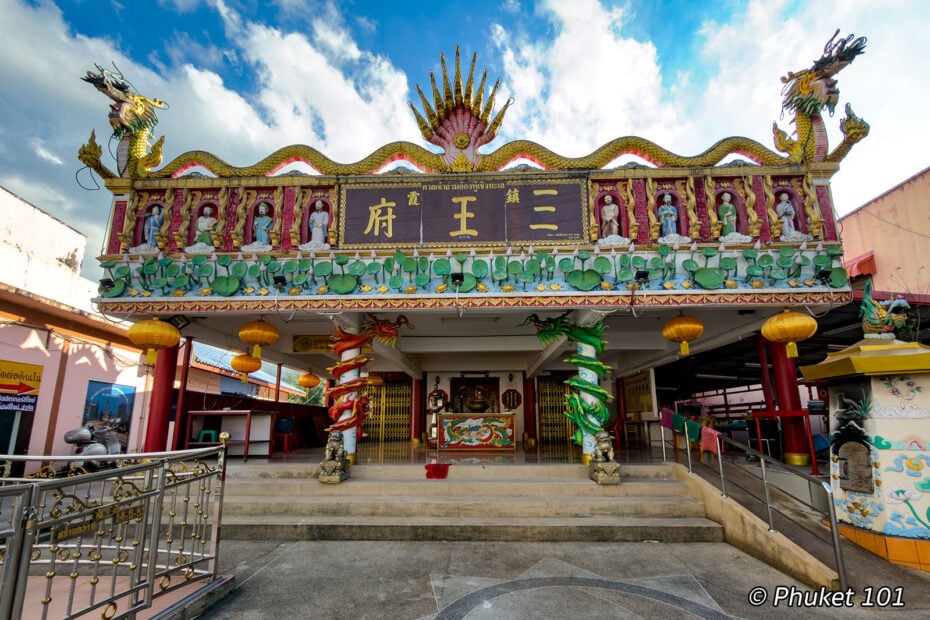
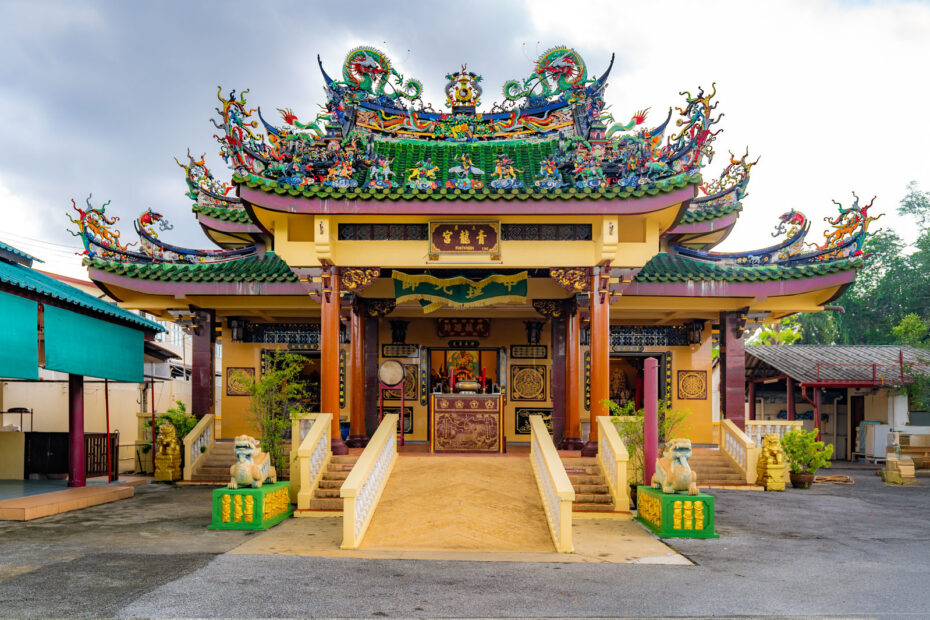
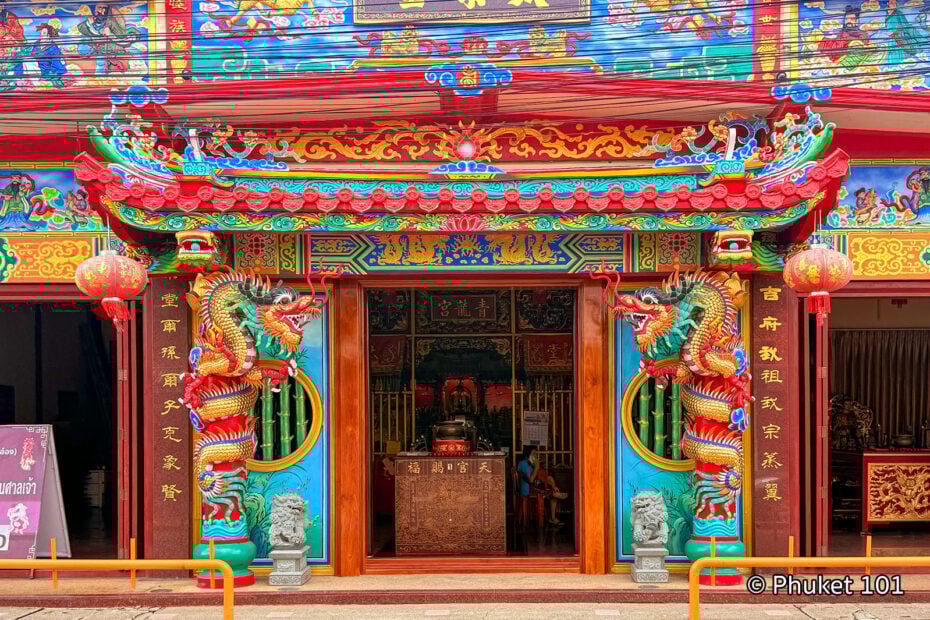
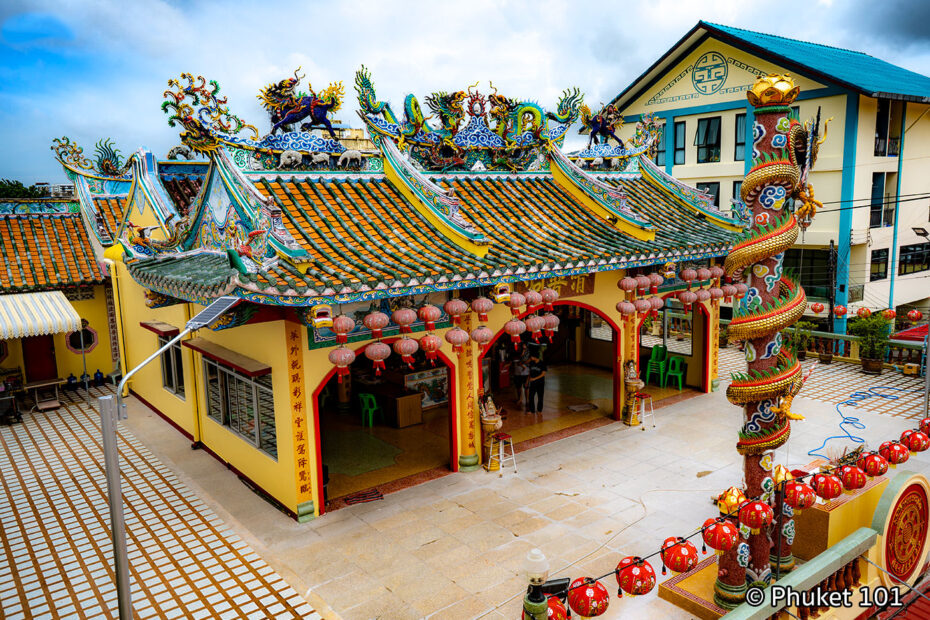
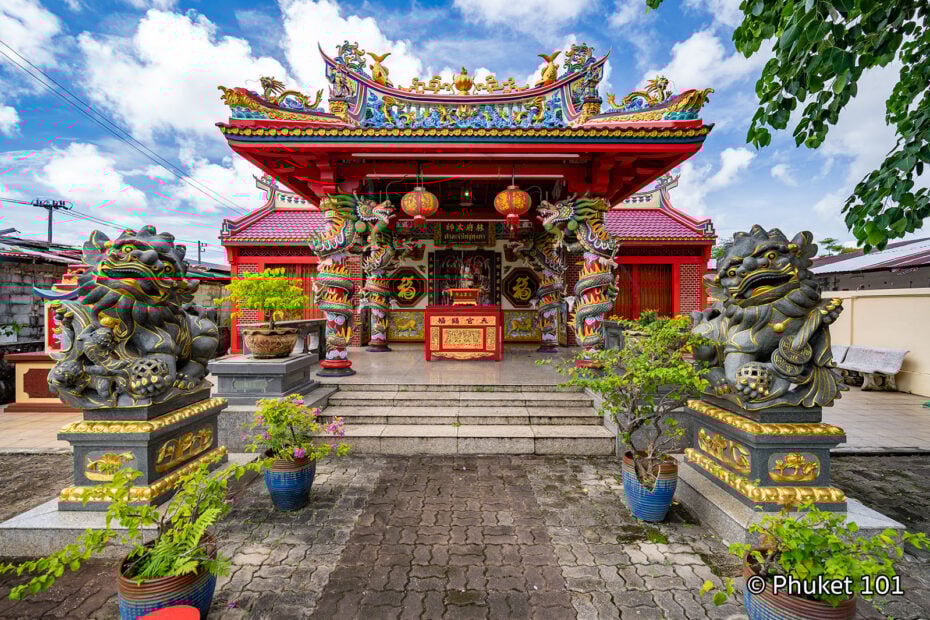
The shrine was built in 2001 after a local businessman, Mr Suwatchai Ekachaisiri, donated land at the Khao Rang intersection for the project. The construction cost over 8 million baht and was funded by the local Chinese-Thai community. The building follows a traditional Chinese style, with a central hall housing several Buddha statues and Guan Yin figures. The entrance is guarded by golden imperial lions, and the roofline features the multi-tiered design and dragon columns typical of Hokkien Chinese shrines in Phuket.
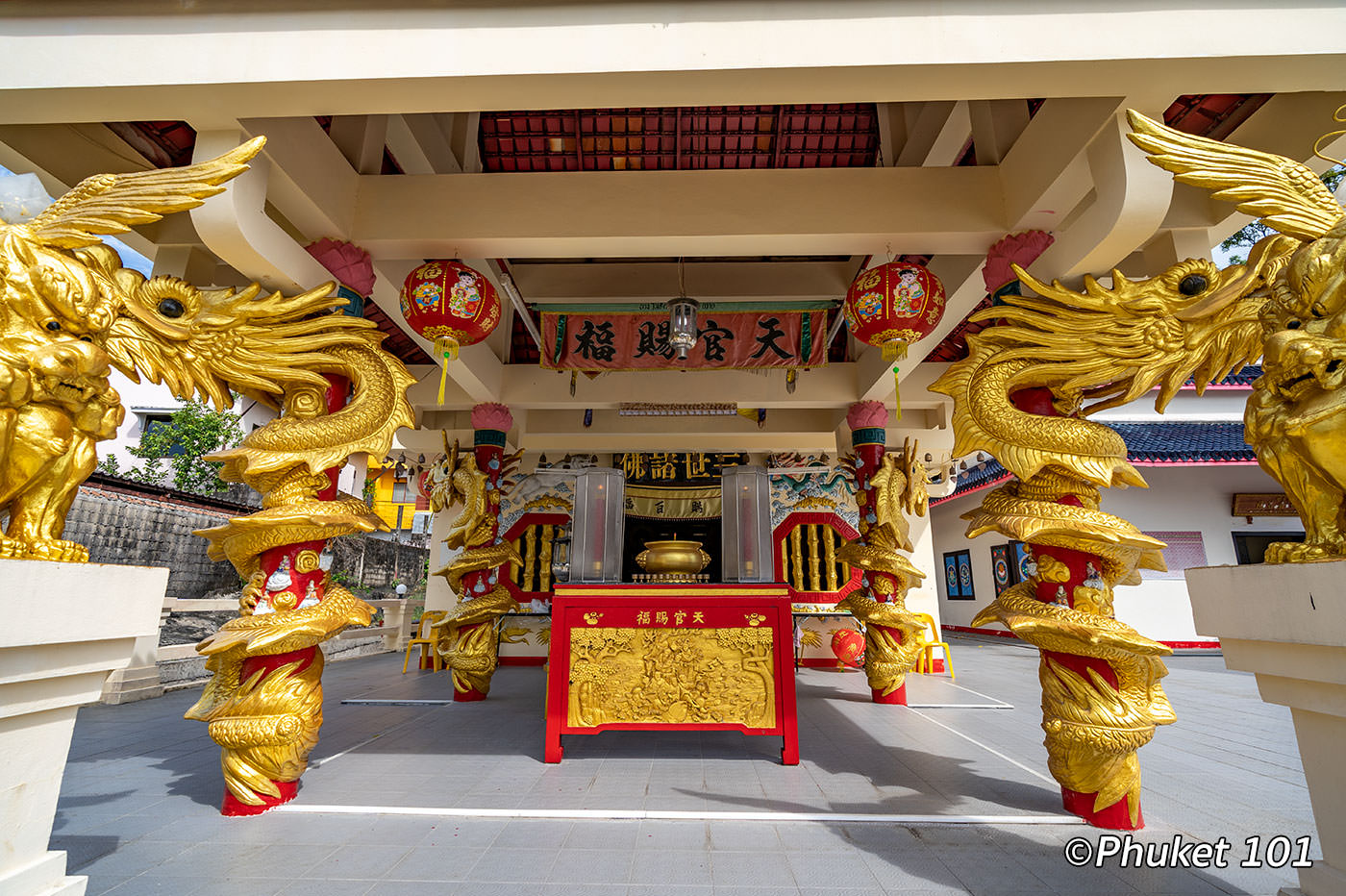
Sam Sae Chu Hut is a Bodhisattva shrine, meaning it places emphasis on the practice of Dharma through chanting, mindfulness, and meditation. The shrine holds evening chanting sessions from 8 pm to 9 pm, and on Thursdays, a Dharma teaching is conducted through a spirit medium known as Father Toe Sae. It is a quiet, working shrine rather than a tourist attraction.
The shrine also participates in the annual Phuket Vegetarian Festival, when it joins the network of Chinese shrines across the island in hosting rituals, processions, and vegetarian food offerings during the nine-day celebration in October.
Most visitors pass by on their way up to Khao Rang Hill without noticing it. It is small and easy to miss from the road, but worth a quick stop if you are exploring the quieter side of Phuket Town.
Sam Sae Chu Hut Shrine Photos
Location: Phuket Town – on the way to Khao Ran Hill
Sam Sae Chu Hut Map
See all Phuket Maps!
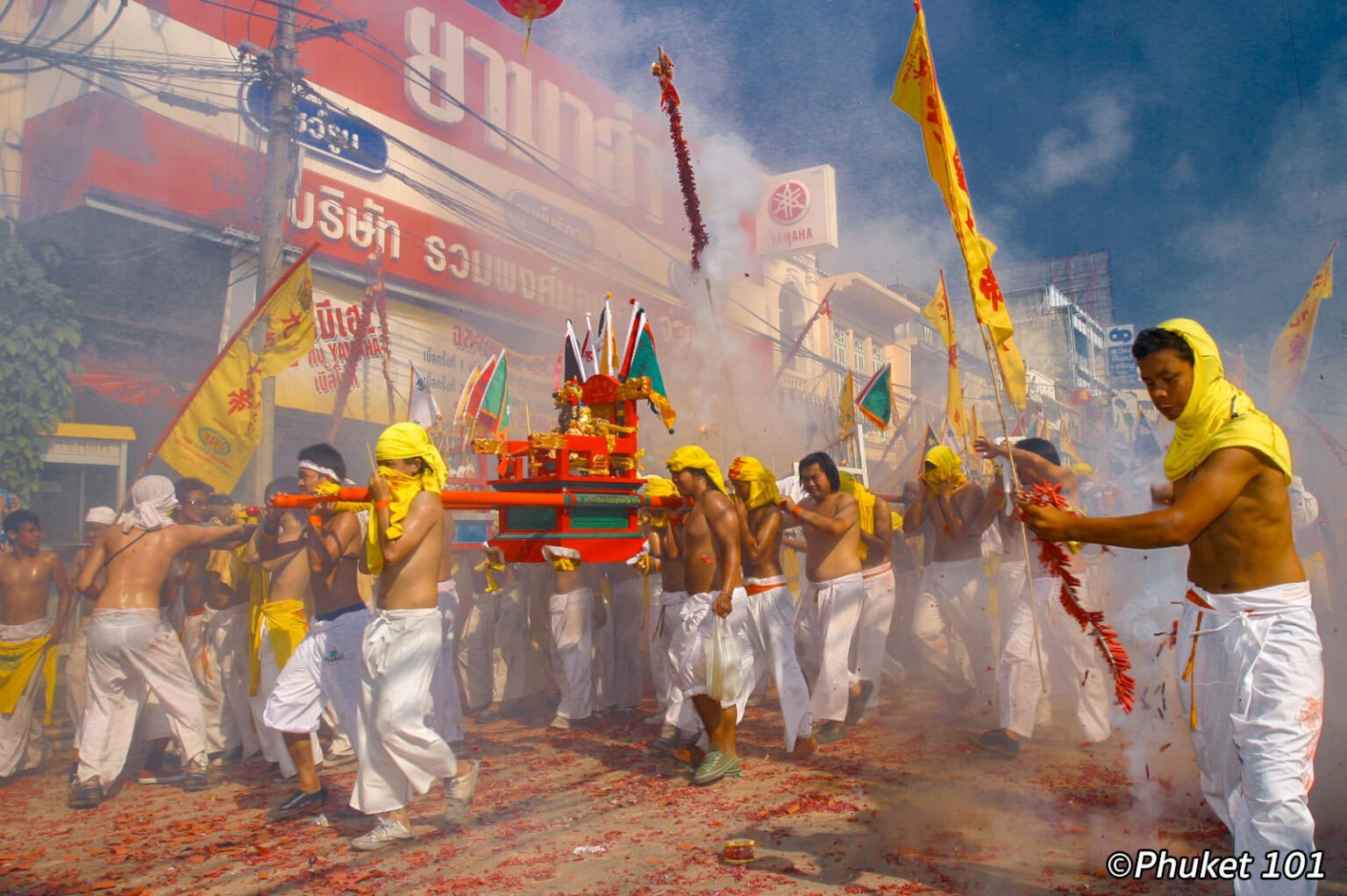
The Phuket Vegetarian Festival runs during the ninth lunar month, marking one of Thailand's most spectacular cultural celebrations. This nine-day Taoist festival transforms Phuket into a spiritual sanctuary where thousands of devotees in white clothing honour the Nine Emperor Gods through dramatic processions, firewalking ceremonies, and extreme body piercing rituals
Read More
The Shrine of the Serene Light is a beautifully decorated Chinese Temple on Phang Nga Road, one of the most famous streets of Phuket Town. It used to be 'the little hidden Chinese temple' tucked away at the end of
Read More
Jui Tui Shrine (Kew Ong) is one of the oldest and most important on Phuket Island. It plays a significant role during the famous Phuket Vegetarian Festival, usually held in October and November. The festival dates use the Lunar Calendar,
Read More
Bang Neow Shrine in Phuket Town is one of Phuket's oldest and most revered Chinese shrines. It’s one of the main shrines taking part in the annual Phuket Vegetarian Festival It is a place of worship and merit-making activity for
Read More
Lim Hu Tai Su is a Chinese Taoist shrine on the north side of Phuket Town, also known as Sam Kong Shrine, for the neighbourhood in which it’s found. Though not as well known by visitors as larger Chinese shrines
Read More
Hok Nguan Kong Shrine is a Chinese temple near the Surin Clock Circle in Phuket Town, founded more than 80 years ago by the Chinese-Thai community in Phuket. Hok Nguan Kong Shrine’s design features many traditional Chinese motifs, including columns
Read More
Kio Thian Keng Shrine is a colourful Chinese shrine that is set on the seashore inside Saphan Hin public park in Phuket Town. It’s a place of worship for the local Chinese-Thai community, and it plays an important role as
Read More
Tha Rua Shrine is one of the oldest Chinese shrines in Phuket, found in Thalang District on Thepkasattri Road about 800m south of the Heroines’ Monument. It’s an important site during the annual Phuket Vegetarian Festival, when thousands of devotees
Read More
Po Seng Ti Te Kata (ศาลเจ้าโป๊เซ้งไต่เต่) is a colourful Chinese shrine above Kata Beach, dedicated to the god of medicine. Opened 2016.
Read More
San Chao Sam Ong Hu is one of the oldest Chinese shrines in Phuket, founded in 1901 by the local Hokkien community in Cherngtalay, about 15 minutes from Bang Tao Beach.
Read More
Pho Ta Toh Sae Shrine is a small, old Chinese shrine renowned for its unusual display of tiger statues, located on Monkey Hill in Phuket Town. You will discover dozens of tigers in varying sizes and ages guarding the entrance
Read More
San Chao Mae Yanang Shrine, stands on Krabi Road in Phuket Town. A Chinese migrant founded the temple in 1853 during Phuket’s tin-mining boom, when many Chinese families settled on the island and brought their beliefs and rituals with them.
Read More
Sam Pai Kong Shrine, often called Bangku Shrine, stands on Thepkasattri Road in Koh Kaew, a few minutes east of the British International School. They believe Chinese tin mine workers built the first modest hall more than 100 years ago.
Read More
Tucked behind Vachira Phuket Hospital on Yaowarat Road, San Chao Jeng Ong Shrine is easy to miss. A banyan tree guards the entrance, filtering afternoon light onto a red facade trimmed with jade-green tiles and twisting dragons.
Read More
One of Phuket Town’s lesser-known Hokkien shrines San Chao Cho Ong, or Tai Yuan Tang, is a small but very old Chinese shrine on the corner of Patiphat Road and Krabi Road in Phuket Town. It doesn’t draw big crowds
Read More
Pun Tuao Kong Shrine (San Chao Phra Pun Tao Kong) is a small Chinese shrine sitting quietly on the edge of the road at the top of Patong Hill. Many people drive past it without noticing, but locals know it
Read More
Sui Boon Tong Shrine is a lesser-known Chinese shrine, but despite its discreet location and modest entrance, it remains an active spiritual site and plays a meaningful role during the annual Phuket Vegetarian Festival.
Read More
Long Hun Keng Shrine (肜雲宮) is a small and lesser-known Chinese shrine located along Thepkasattri Road in Phuket Town. Despite its modest size and low profile, it holds cultural significance for the local Chinese-Thai community, especially during the Vegetarian Festival.
Read More
Put Jaw Shrine is one of the oldest Chinese shrines in Phuket, located in Phuket Town. It was originally built more than 200 years ago and is dedicated to the Chinese goddess Guan Yin, the goddess of mercy. The shrine
Read More
Located on the popular Thalang Road in the heart of Phuket Old Town, the Hainan Shrine is more than just a place of worship. Built in 1910, this beautiful shrine has been a cultural and spiritual centre for over a
Read More
Adorned with intricate artwork depicting sins and punishments, Sheng Tek Beo in Phuket Town is a shrine that plays a key role in the Por Tor festival, or Hungry Ghost Festival, which occurs every year around September. The central celebrations
Read More
Sam Sae Chu Hut Chinese Shrine is a modest and discreet Chinese shrine located near the intersection of Khaw Sim Bee Road and Mae Luan Road, on the way up to Khao Rang Hill in Phuket Town; opened in May
Read More
Lai Thu Tao Bo Keng is one of the oldest Chinese shrines in Phuket, and many believe it was the birthplace of the Phuket Vegetarian Festival nearly two centuries ago, 1825 to be precise. The shrine is located in the
Read More