

Elephant Jungle Sanctuary Phuket

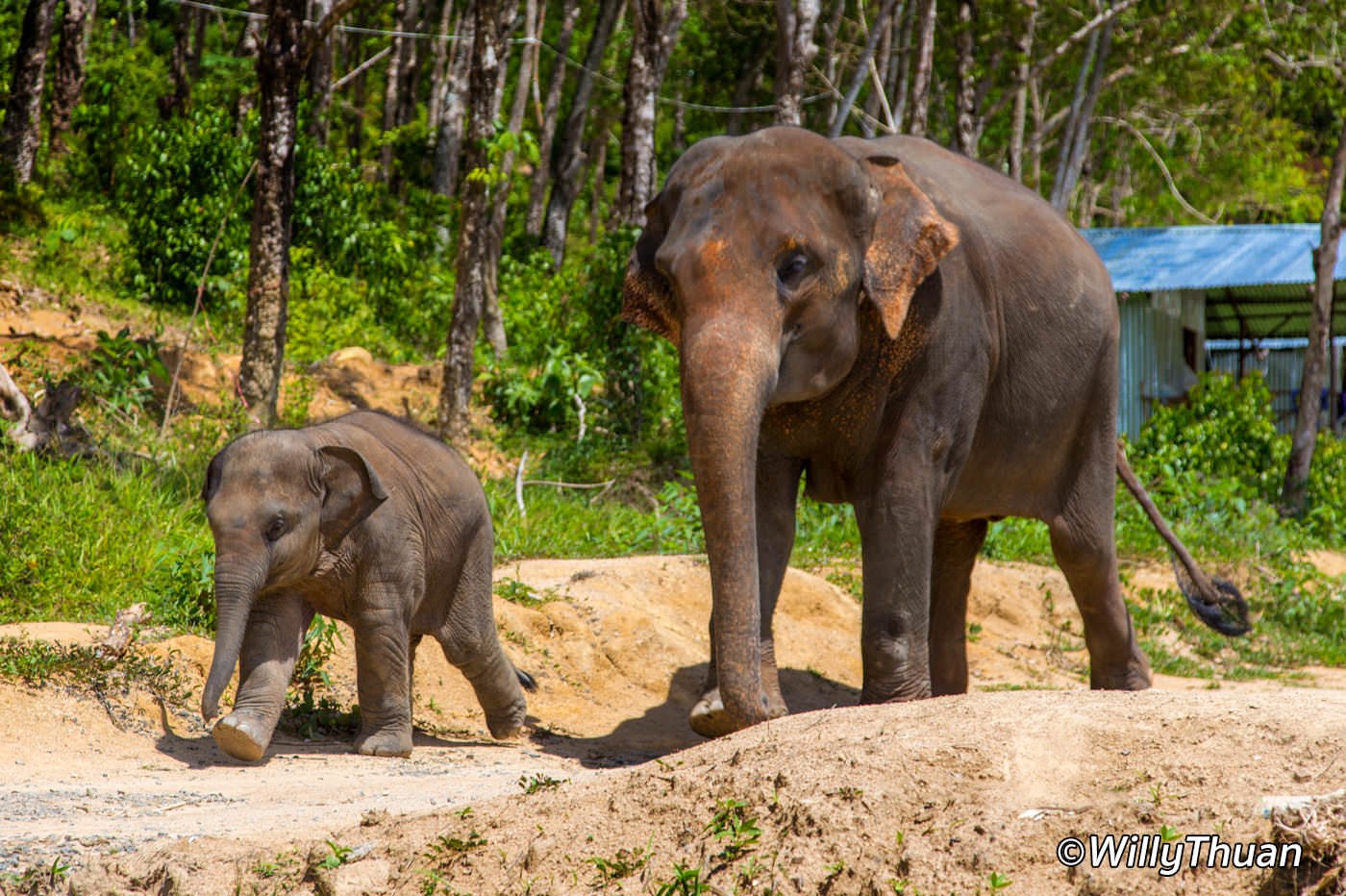
Elephant Jungle Sanctuary (EJS) is one of the most visited elephant experiences in Phuket. It was among the first sanctuaries on the island to offer an alternative to the old elephant trekking camps that were once Phuket’s most popular attraction. Here, nobody rides the elephants. Instead, visitors feed them by hand, prepare their food, and, depending on the programme, join them for a mud bath and a shower.
Elephant Jungle Sanctuary now operates three camps across Phuket (Thalang, Bang Tao, and Kathu) and cares for about 30 elephants. I visited the Kathu camp, and while opinions on elephant tourism vary, the visitors around me were having a great time. Lots of laughs, plenty of memorable moments, and for many, it was clearly a proud step away from the riding camps they might have considered instead. Families in particular tend to love the experience, and it is worth considering alongside the other things to do in Phuket with kids.
Programmes and Prices
EJS Phuket offers several programmes depending on how much time you have and what kind of interaction you are comfortable with:
Feed Me is the shortest and cheapest option. It lasts about one hour, and you feed the elephants and observe them in their environment. Prices start from 799 baht. No hotel transfer is included, so you need to arrange your own transport to the camp. Sessions run every hour from 9 am to 4 pm.
Feed and Shower adds a water session where you help shower the elephants after feeding them. It runs for about two hours and includes a photographer. Transport is not included.
Watch Me is a no-contact programme for visitors who prefer to observe the elephants from a distance without touching or feeding them.
Half-Day is the most popular option and lasts about four to five hours. It includes hotel pickup and drop-off, a briefing, food preparation, feeding, a mud bath, showering the elephants, a regular shower for you, and a Thai lunch. Morning sessions start with pickup around 6:30-7:30 am, afternoon sessions around 11:30 am-12:30 pm. Prices are around 2,500-2,900 baht for adults and 1,900 baht for children aged 4-10. Infants under 3 are free.
What Happens During a Half-Day Visit
The half-day programme follows a set routine. After pickup from your hotel, you arrive at the camp and receive a welcome snack with tea or coffee. The guides give a briefing about the sanctuary, the elephants’ backgrounds, and how they ended up in care. The guides speak English and know each elephant by name, age, and story.
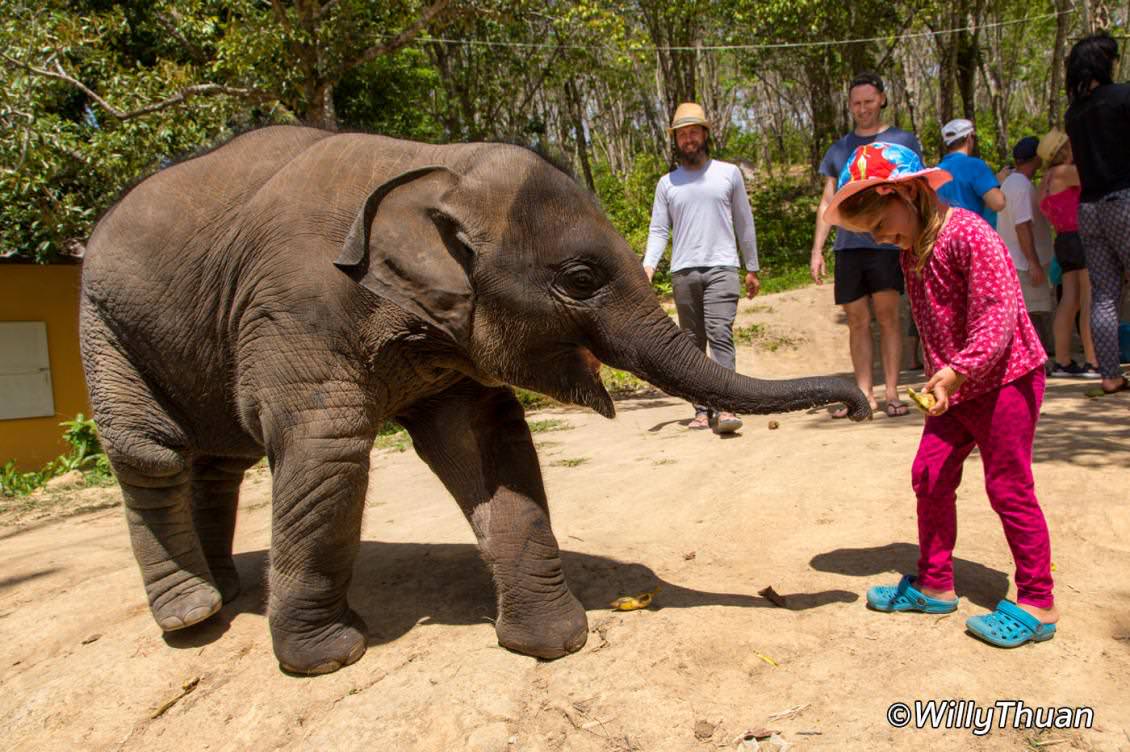
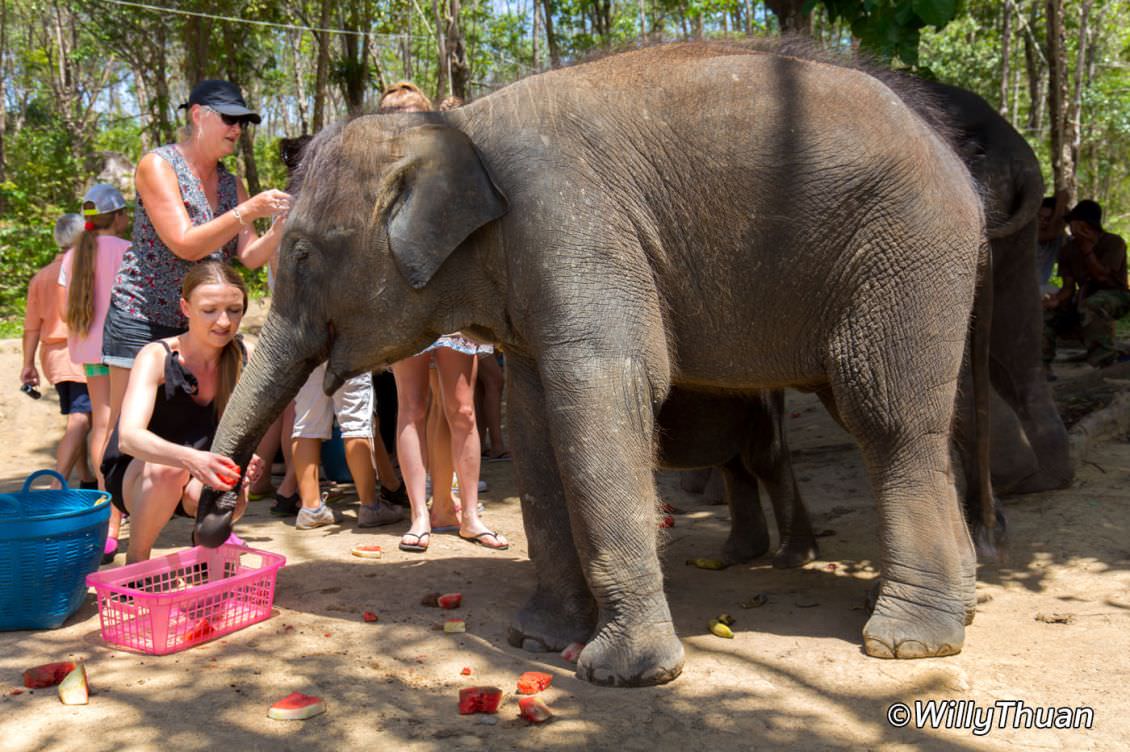
Next, you help prepare food and natural dietary supplements for the elephants. It is messy, hands-on work, and the kids seem to love it. Once the food is ready, the elephants arrive and eat directly from your hands. The baby elephants are particularly playful, and this is usually the moment when children lose their initial hesitation and start laughing.
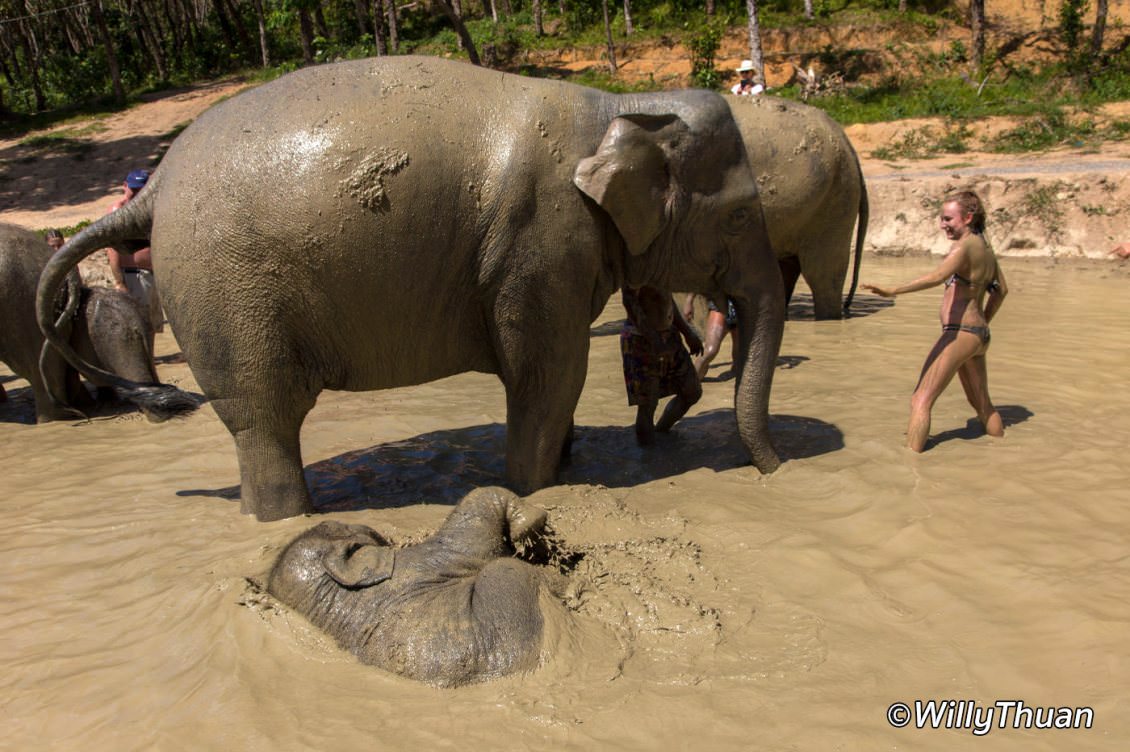
The feeding is followed by a mud bath. The elephants wade into a muddy pond, and visitors join them, rubbing handfuls of mud onto the animals. It looks chaotic, but people clearly enjoy it. The group then moves to a cleaner water area to rinse off and shower the elephants. A photographer takes photos throughout the session, and images are available to download afterwards.

After a regular shower and a change of clothes, the visit ends with a traditional Thai lunch and seasonal fruit. The drive back to your hotel takes about an hour.
The Three Camps
Elephant Jungle Sanctuary operates three locations in Phuket. All offer similar programmes, but the settings differ slightly:
Camp 1: Thalang is in the northern part of the island, set in jungle hills. It is the original camp and the most established.
Camp 2: Bang Tao is on the west side, convenient if you are staying in the Bang Tao or Surin area.
Camp 4: Kathu is centrally located near Patong, making it the easiest to reach from most hotels on the west coast. This is the camp I visited.
Elephant Jungle Sanctuary Photos


Insider Tips
Book at least 48 hours in advance, especially during high season (November to April). The half-day sessions fill up quickly, and last-minute spots are rare.
If you are on a tight schedule or budget, the Feed Me programme at 799 baht is a good option. It lasts about an hour, and you still get to feed the elephants by hand. You will need to arrange your own transport to the camp.
Bring a change of clothes, a towel, and shoes you don’t mind getting muddy. The sanctuary provides a traditional shirt to wear during the visit, but everything else gets dirty. Sunscreen and insect repellent are useful too.
Morning sessions tend to be cooler and slightly less crowded than afternoon ones. The elephants are also more active in the morning before the heat builds up.
The debate around elephant tourism in Thailand is evolving. Some sanctuaries have moved to observation-only models with no physical contact. Others, like EJS, still include feeding and bathing as part of the experience. Each visitor needs to decide what they are comfortable with. What matters is that the old trekking model is fading, and sanctuaries like this one played a part in making that happen.
Elephant Tourism in Phuket Through the Years
When I first arrived in Phuket in the 1990s, elephant trekking was everywhere. Camps lined the roads in Kathu and Chalong, and riding an elephant through the jungle was one of the top things tourists did. Nobody questioned it much back then. The elephants carried tourists up and down hills all day, and the conditions at many camps were poor.
The shift started in the 2010s as awareness grew about the training methods used to make elephants accept riders. Visitors began asking for alternatives, and the first sanctuaries opened in Chiang Mai. Phuket followed. Elephant Jungle Sanctuary was among the first to open here, and the model spread. Old trekking camps started converting, some genuinely and some less so. Today, most visitors actively choose sanctuaries over trekking, and the industry has changed significantly. Not all sanctuaries operate to the same standard, but the direction is clear. The days of elephant trekking as Phuket’s top attraction are over.
Elephant Jungle Sanctuary Phuket Info
Location: 3 camps: Thalang, Bang Tao, Kathu
Programmes: Feed Me (1 hr), Feed and Shower (2 hrs), Watch Me (observation only), Half-Day (4-5 hrs)
Half-Day hours: Morning 6:30 am – 12:30 pm / Afternoon 11:30 am – 5:30 pm
Feed Me hours: Every hour from 9 am to 4 pm
Prices: Feed Me from 799 baht / Half-Day 2,500-2,900 baht (adults) / 1,900 baht (children 4-10) / Free under 3
Includes (Half-Day): Hotel pickup, briefing, feeding, mud bath, shower, Thai lunch, photographer
Transport (Feed Me): Self-arranged, or private minivan 1,500 baht round trip (1-8 passengers)
Phone: 094 663 6592
Website: elephantjunglesanctuary.com
Elephant Jungle Sanctuary Map
FAQs about Elephant Jungle Sanctuary Phuket
More Tours in Phuket