

What Thai Food Can You Find in Phuket?

Thai food is one of the best reasons to visit Phuket. The island’s cuisine blends southern Thai traditions with Chinese, Malay, and Indian influences, creating flavours you won’t find anywhere else in Thailand. From fiery curries that will test your spice tolerance to delicate desserts wrapped in banana leaves, Phuket’s food scene rewards the curious eater.
I have been exploring Phuket’s restaurants, markets, and street stalls since 1994, and food remains my favourite way to experience the island. Southern Thai cooking is bolder and spicier than what you’ll find in Bangkok or Chiang Mai, with more seafood, more turmeric, and more heat. This guide covers everything from safe choices for first-time visitors to the hardcore dishes that even some locals avoid.
Thai Food for First-Time Visitors
If this is your first trip to Thailand, start here. These guides cover the classic dishes that appear on every menu, plus the tropical fruits and sweets that make Thai cuisine so memorable. None of these will overwhelm you with spice, and all are easy to find across the island.
10 Thai Dishes Every Visitor Should Try
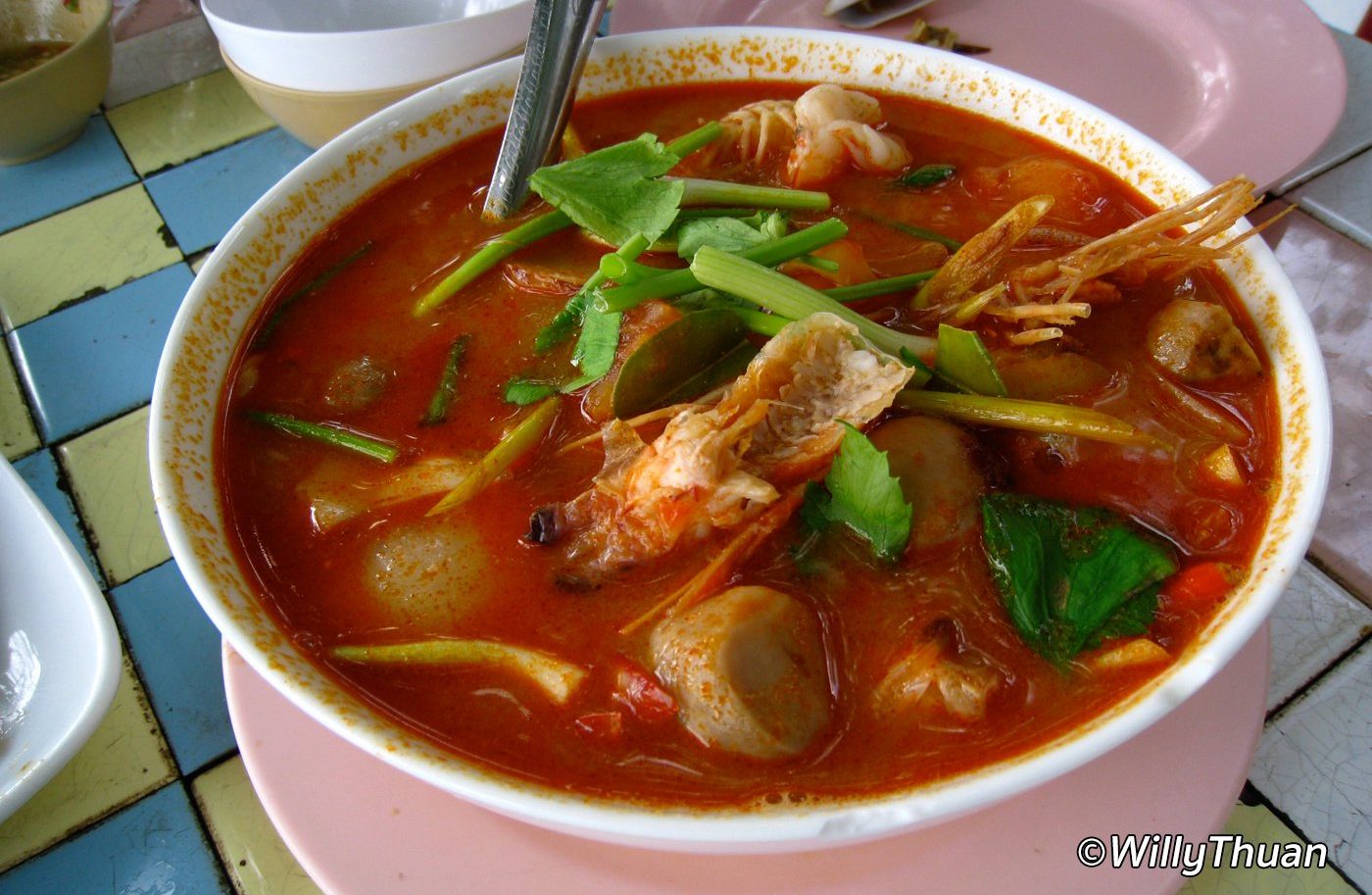
The essential Thai dishes for newcomers: Tom Yam Goong, Pad Thai, Green Curry, Pad Krapao, Som Tam, and more. These are the classics that made Thai food famous worldwide, and Phuket serves excellent versions of all of them. Each dish includes where to find the best version on the island.
25 Thai Fruits to Discover in Phuket
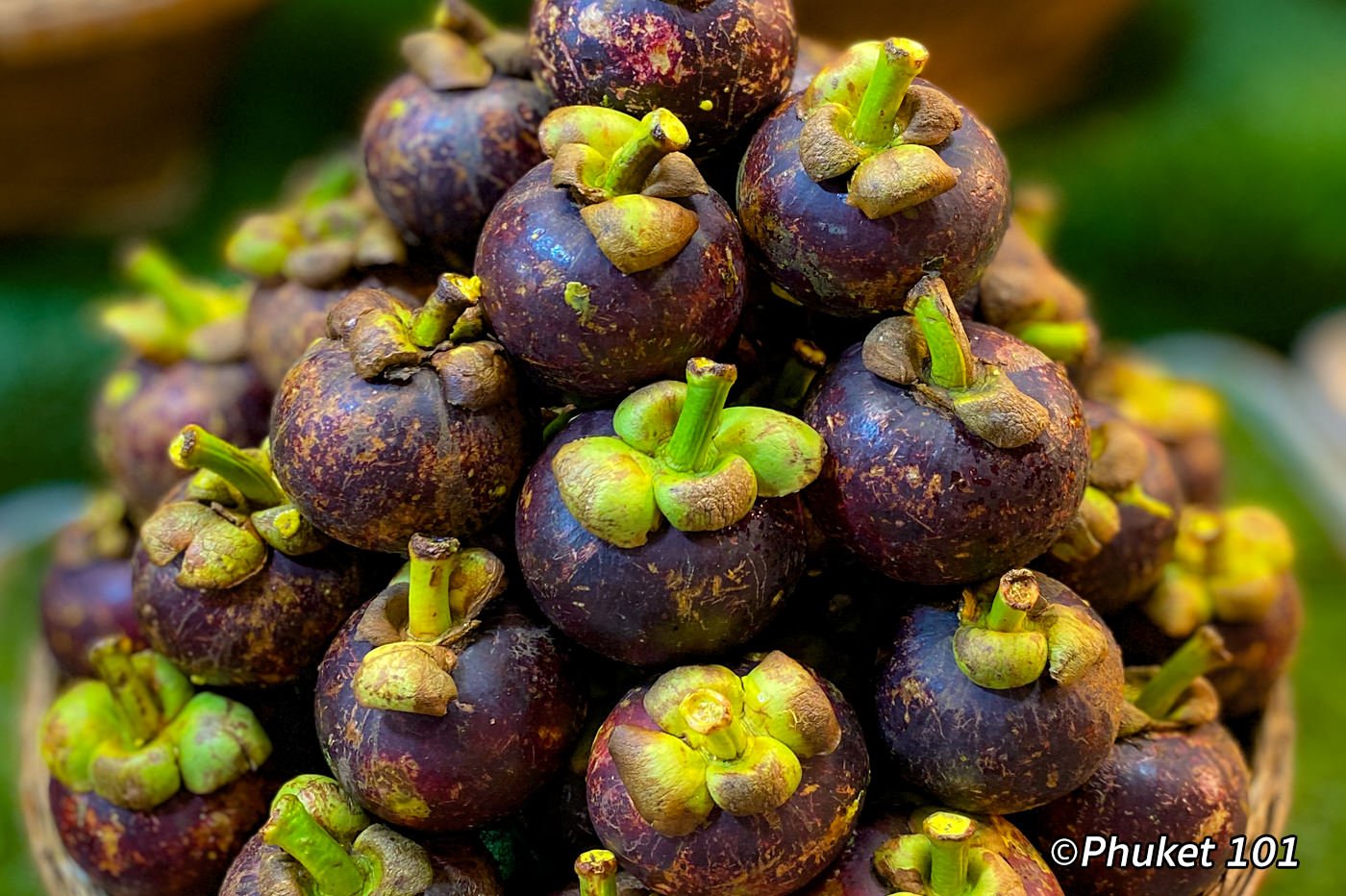
From the Queen of Fruits (mangosteen) to the infamous King (durian), Thai fruits are an adventure in themselves. This guide covers 25 tropical fruits you’ll find at Phuket’s markets, with tips on how to eat them, what they taste like, and when each fruit is in season.
16 Thai Sweets and Desserts
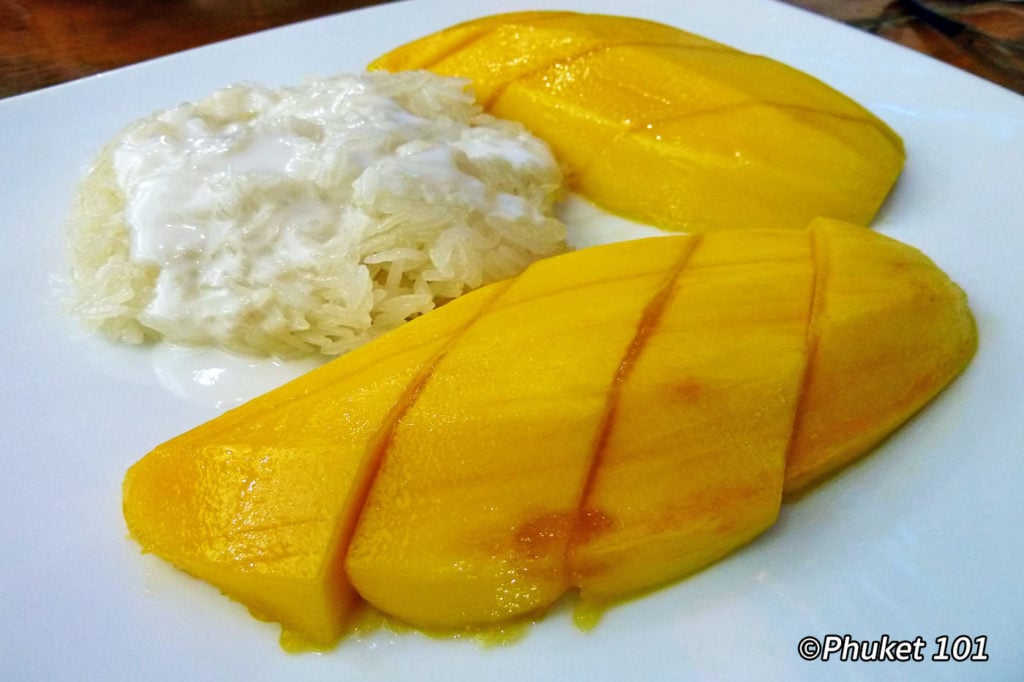
Thai desserts go far beyond mango sticky rice. Discover coconut-based sweets, colourful jellies, crispy pancakes, and Phuket specialities like Oh Aew and Tao Sor. Many of these treats are best found at night markets and street stalls rather than restaurants.
Authentic Southern Thai Cuisine
Southern Thai food is different from what most visitors expect. It’s spicier, more pungent, and uses ingredients rarely seen in central or northern Thai cooking. Turmeric replaces galangal in many curries, fermented fish innards add depth to sauces, and stink beans appear in everything. If you want to understand what Phuket people actually eat, these guides will take you there.
Best Southern Thai Food in Phuket

The signature dishes of southern Thailand: Mee Gaeng Poo (crab curry noodles), Gaeng Som (sour curry), Moo Hong (braised pork), Kua Kling (dry curry), and more. These are the dishes that define Phuket’s culinary identity, with restaurant recommendations for each.
5 Most Spicy Southern Thai Dishes
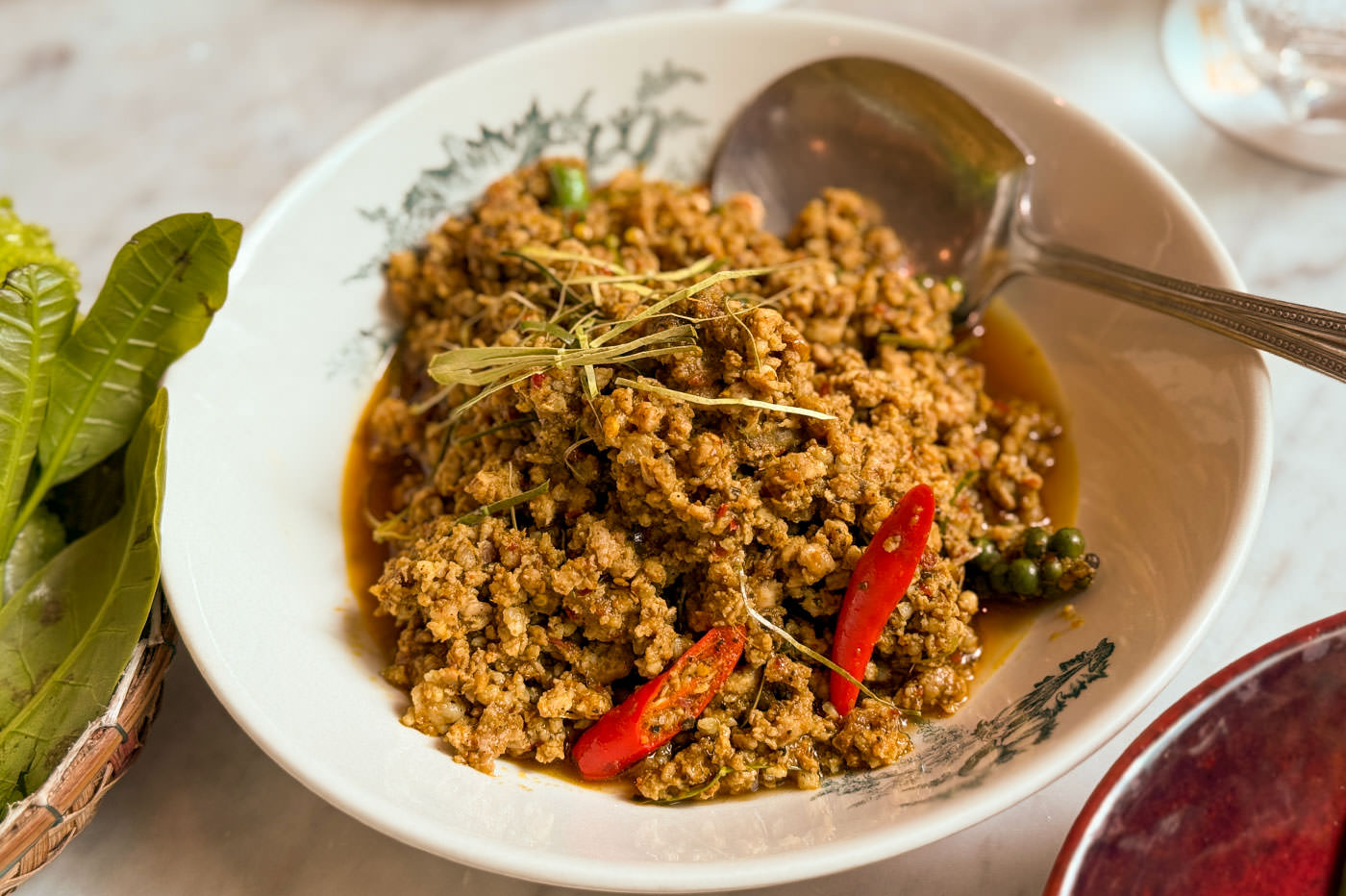
Southern Thai curries are not for the faint-hearted. This guide covers the five spiciest dishes you’ll encounter, from the sour heat of Gaeng Som to the fermented punch of Gaeng Tai Pla. Includes tips on what to order alongside to survive the heat.
Hardcore Thai Food for the Brave
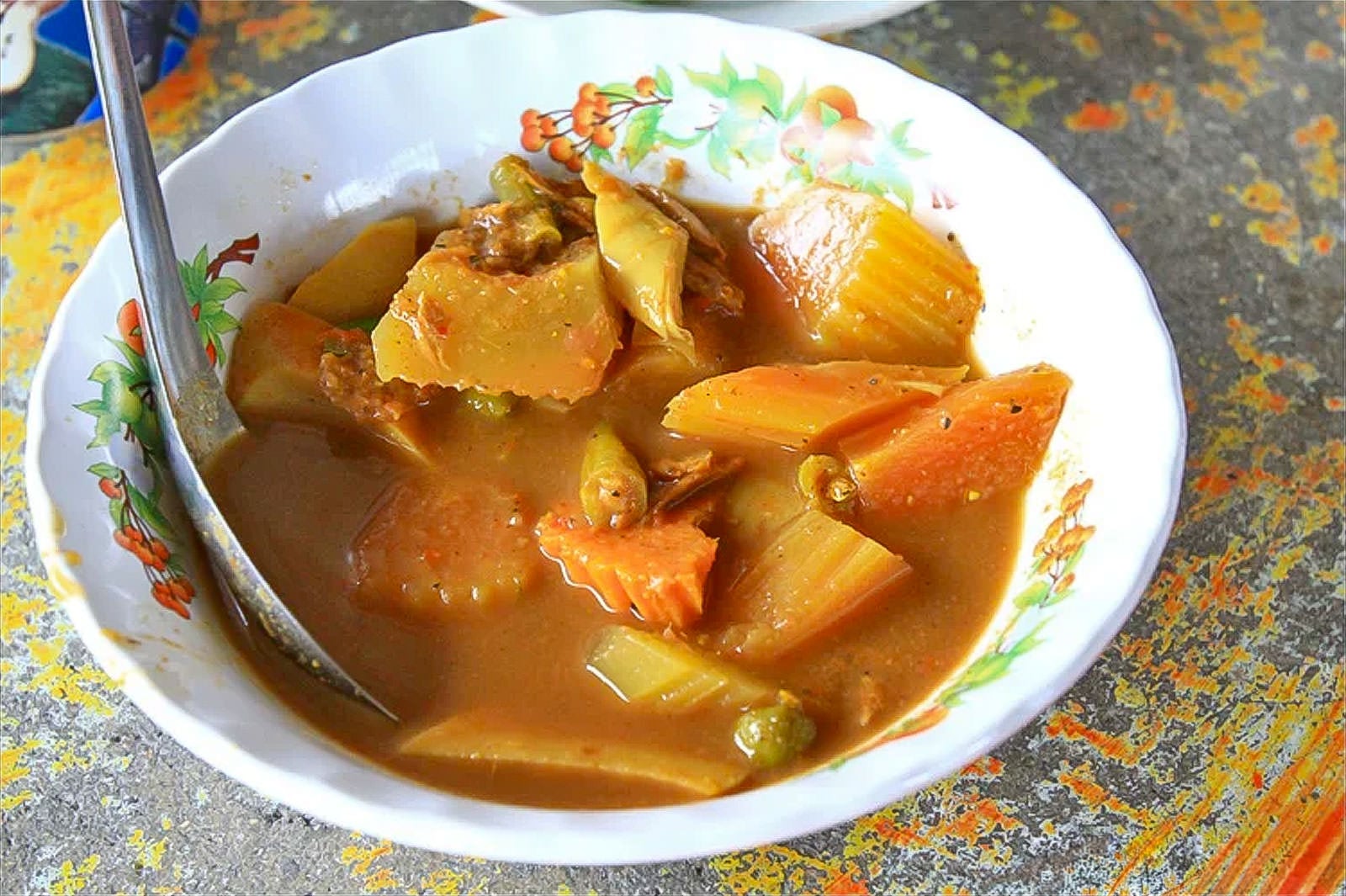
Duck feet, grilled beef udder, fermented fish curry, and horseshoe crab roe salad. These are the dishes that even some Thai people avoid. After 30 years in Phuket, I still can’t eat several of them, but if you want to say you’ve truly experienced Thai food, here’s your challenge.
Phuket Local Specialities
Phuket has its own food traditions, shaped by centuries of tin mining, Chinese immigration, and trade with Malaysia and India. Hokkien noodles, fresh spring rolls, and coconut-based curries reflect this multicultural heritage. These dishes are uniquely Phuket, and some are difficult to find elsewhere in Thailand.
10 Phuket Specialities and Where to Find Them
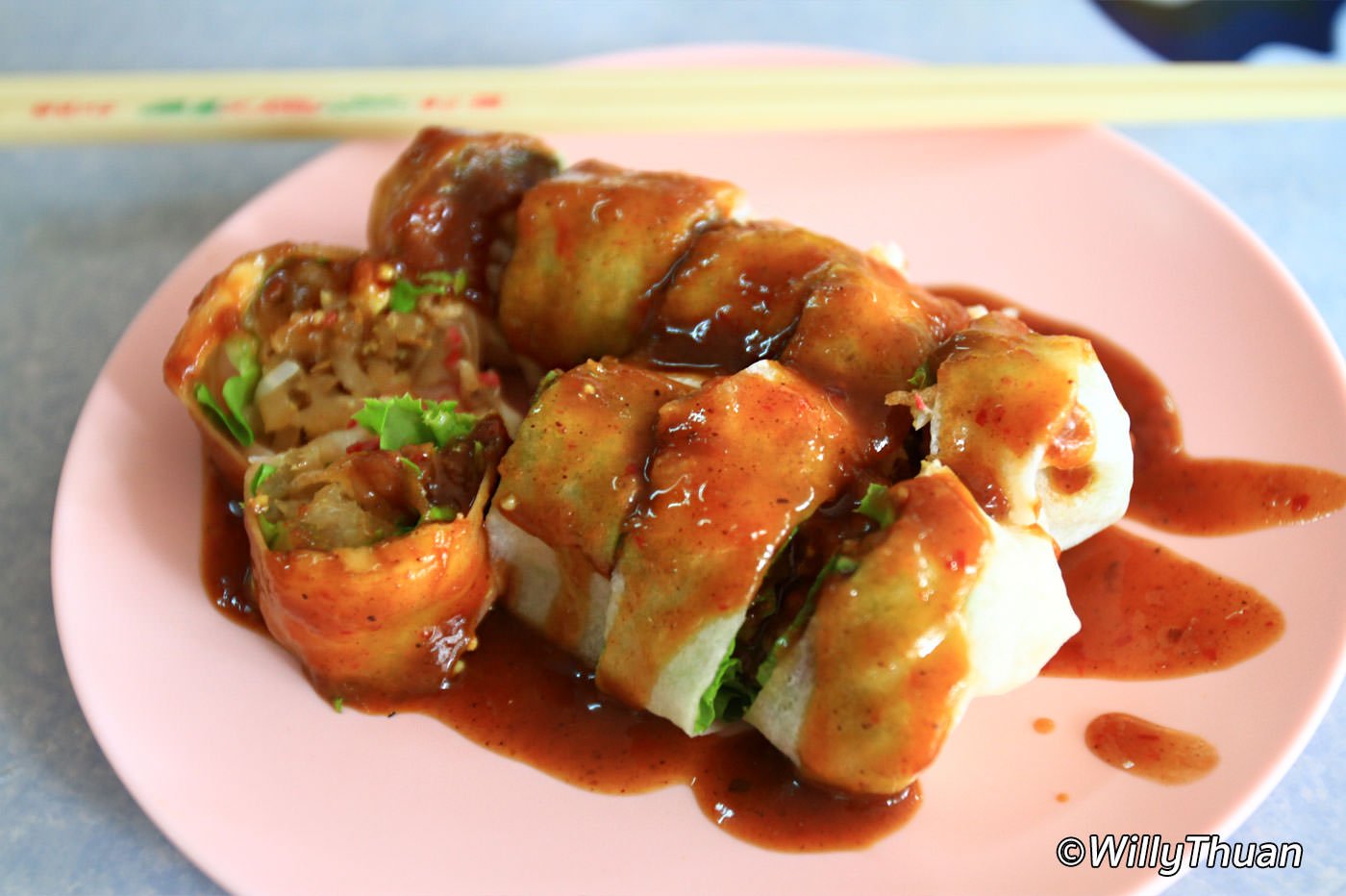
The dishes that define Phuket’s food identity: Por Pia (fresh spring rolls), Mee Hokkien (Hokkien noodles), Oh Aew (banana jelly dessert), and more. Most can be found around Dibuk Road and Yaowarat Road in Phuket Town, making a food crawl easy to plan.
Best Hokkien Noodle Restaurants
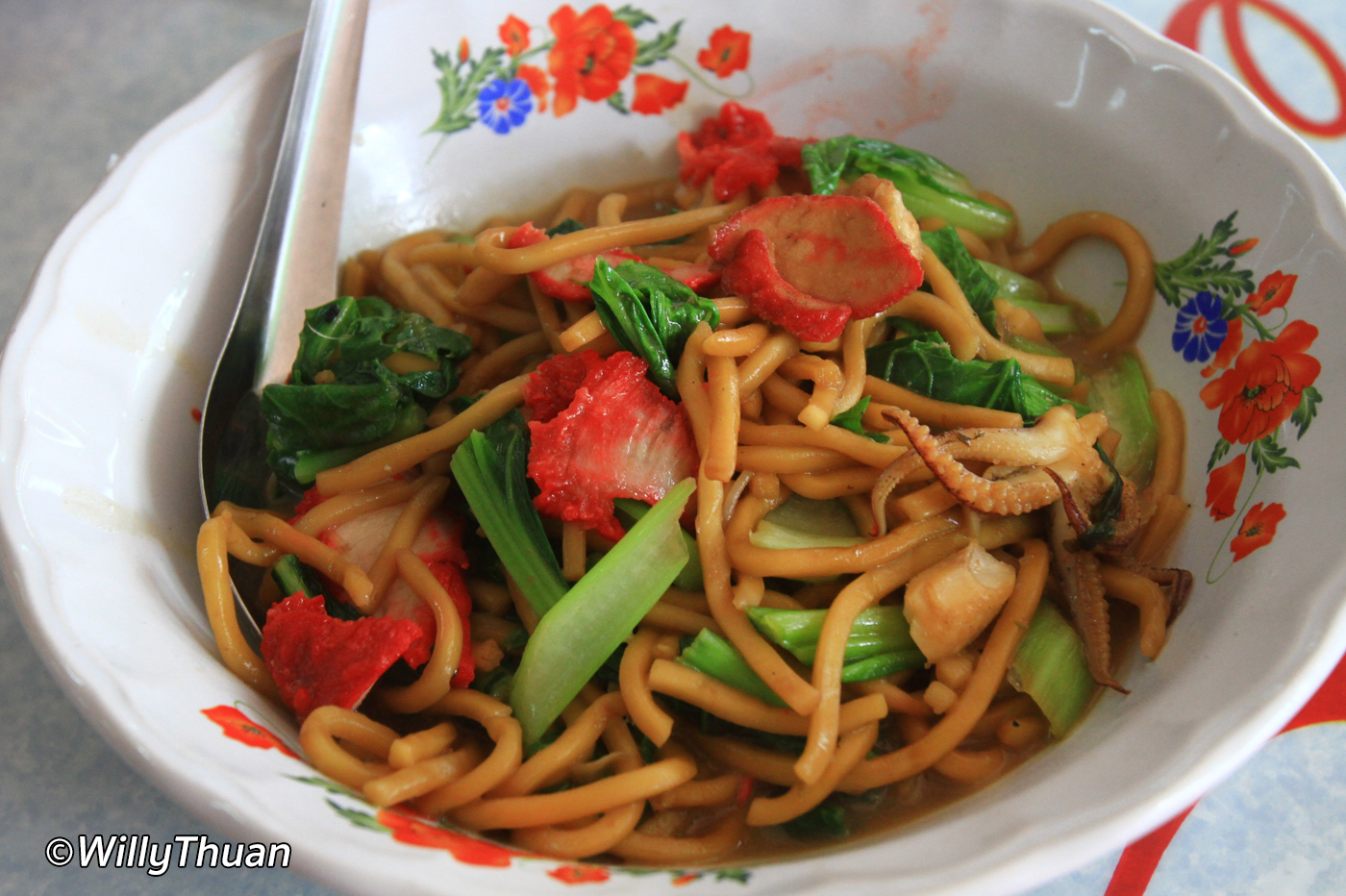
Mee Hokkien is Phuket’s signature noodle dish, brought by Chinese immigrants from Fujian province. Thick yellow egg noodles are stir-fried with pork, seafood, and dark soy sauce, then topped with a fried egg. This guide covers the best places to try it.
Noodle Soup in Phuket (Kuay Tiao)
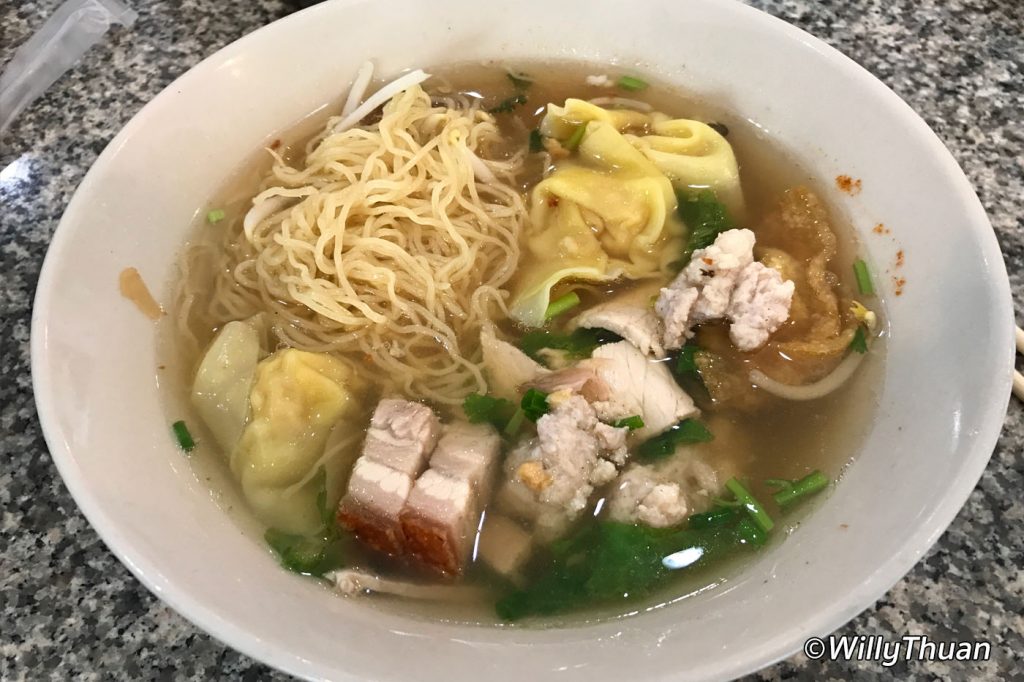
A bowl of noodle soup costs 50 baht and takes five minutes to eat, but choosing from the endless variations is an art. This guide explains the different noodle types, broths, and toppings, plus where to find the best bowls in Phuket.
10 Best Phuket Street Food
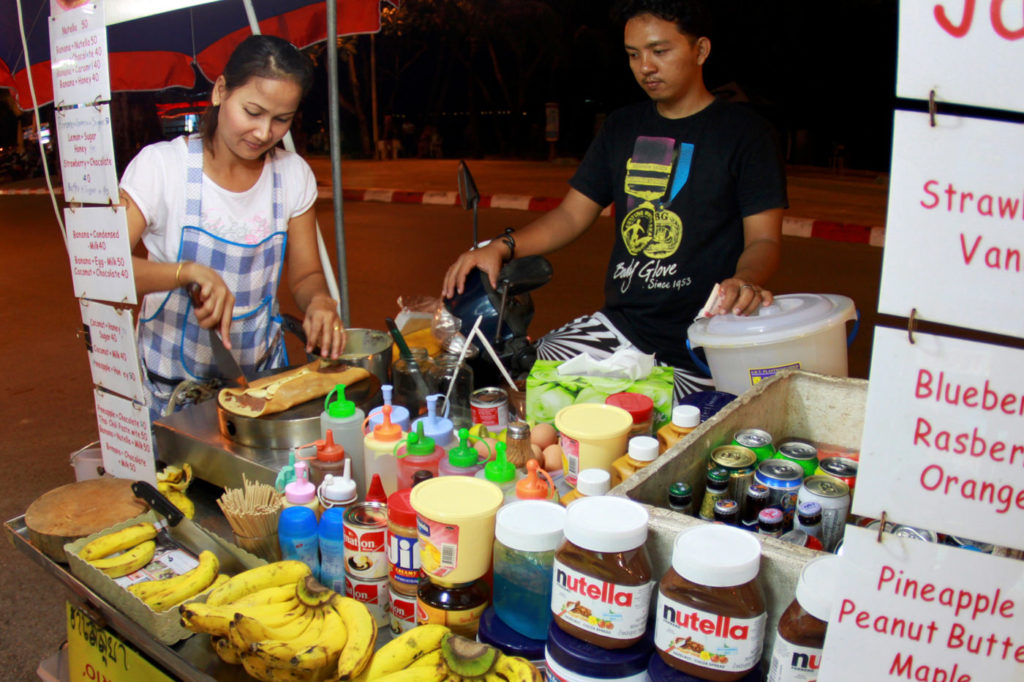
The best Thai food often comes from a cart on the street or a stall at the night market. This guide covers the street food essentials: where to find them, what to pay, and how to order like a local.
Where to Eat Thai Food in Phuket
Phuket has thousands of places to eat, from beachside seafood restaurants to tiny shophouses serving a single dish. These guides focus on the local restaurants where Phuket people actually eat, away from the tourist menus and inflated prices.
49 Best Local Thai Restaurants
Our complete guide to local restaurants across Phuket, from famous institutions like Raya House and One Chun to tiny neighbourhood spots. Each listing includes what to order, prices, and a map location.
Best Seafood Restaurants in Phuket
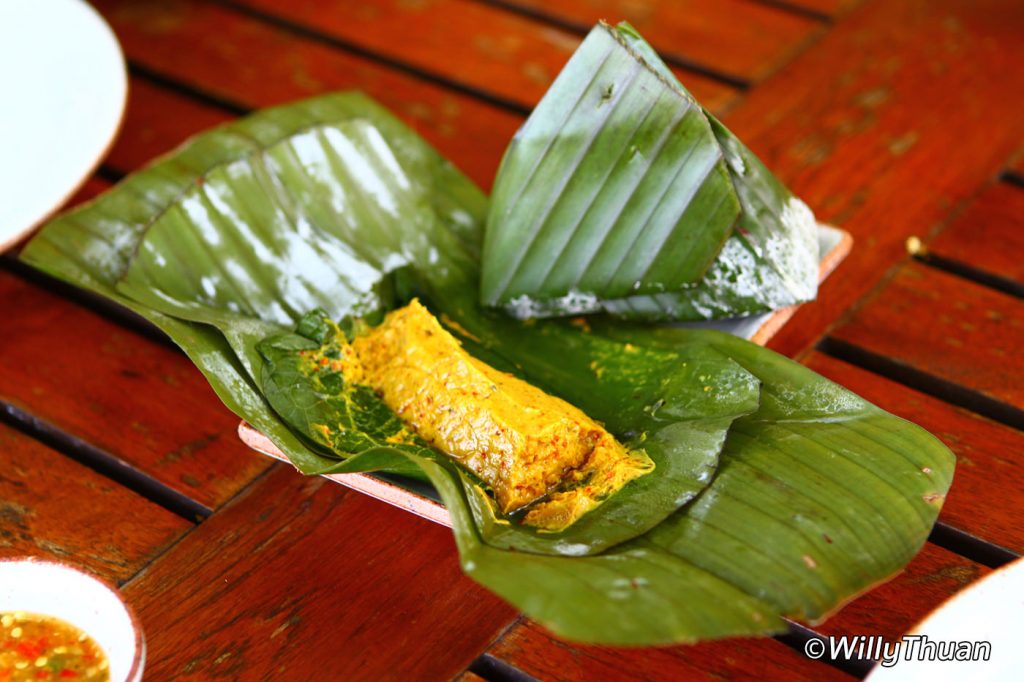
Phuket is an island, and seafood is what it does best. From waterfront restaurants in Rawai to local spots in Phuket Town, this guide covers where to find the freshest fish, crab, prawns, and lobster.
Insider Tips from 30 Years in Phuket
After three decades of eating my way around this island, here’s what I’ve learned about getting the best Thai food experience in Phuket:
Go where locals eat. If a restaurant is full of Thai families at 6 pm, the food is good. If it’s empty except for tourists reading English menus, keep walking. The best meals I’ve had in Phuket have been at places with no English signs at all.
Learn to say “Mai Pet.” This means “not spicy” and will save you from many painful meals. Southern Thai cooks assume everyone can handle serious heat. Even “a little spicy” here is hotter than most foreigners expect.
Eat breakfast like a local. Kanom Jeen (rice noodles with curry) and Jok (rice porridge) are how Phuket people start their day. The morning markets and breakfast shops offer some of the best food on the island, and they’re gone by 9 am.
Night markets are for eating, not shopping. Yes, there are souvenirs, but the real reason to visit a Phuket night market is the food. Arrive hungry, eat from multiple stalls, and don’t fill up on the first thing you see.
The best fruit is seasonal. Mangosteen in July is transcendent. Mangosteen in January is a sad, expensive imitation. Ask vendors what’s good right now, and follow the seasons.
Thai Food Through the Years
When I arrived in Phuket in 1994, the food scene was completely different. There were no food delivery apps, no Instagram-famous restaurants, and no craft cocktail bars. What there was, and still is, are the same family-run restaurants serving the same recipes their grandparents made.
Raya House has been serving Moo Hong from the same kitchen since before I arrived. These places don’t change because they don’t need to. The recipes work.
What has changed is accessibility. Twenty years ago, finding real southern Thai food meant knowing where to look and being willing to point at things you couldn’t name. Today, most local restaurants have photos on the wall or English translations somewhere. The food hasn’t gotten easier to eat, but it’s gotten easier to order.
The other change is quality at the high end. Phuket now has restaurants that would hold their own in Bangkok or Singapore, serving refined versions of southern Thai classics alongside international cuisine. But for me, the best Thai food in Phuket is still the 50-baht bowl of noodles at the morning market, eaten standing up before the sun gets too hot.