

A rare glimpse of an old Phuket fisherman village

Koh Sirey is a small island just east of Phuket Town, connected to the mainland by a short bridge, not far from Sinae Phuket and Westin Siray Bay Resort. It doesn’t attract many travellers, which is probably why the Chao Lay Sea Gypsy Village has managed to keep its character. Also known as the Moken people, the Chao Lay are one of the oldest communities on the island. Their way of life hasn’t changed much over the years, and visiting the village feels like stepping into a quieter, simpler time. Having lived in Phuket since 1994, this is one of those places I keep coming back to when I want a reminder of what the island used to be.
Who Are the Chao Lay?
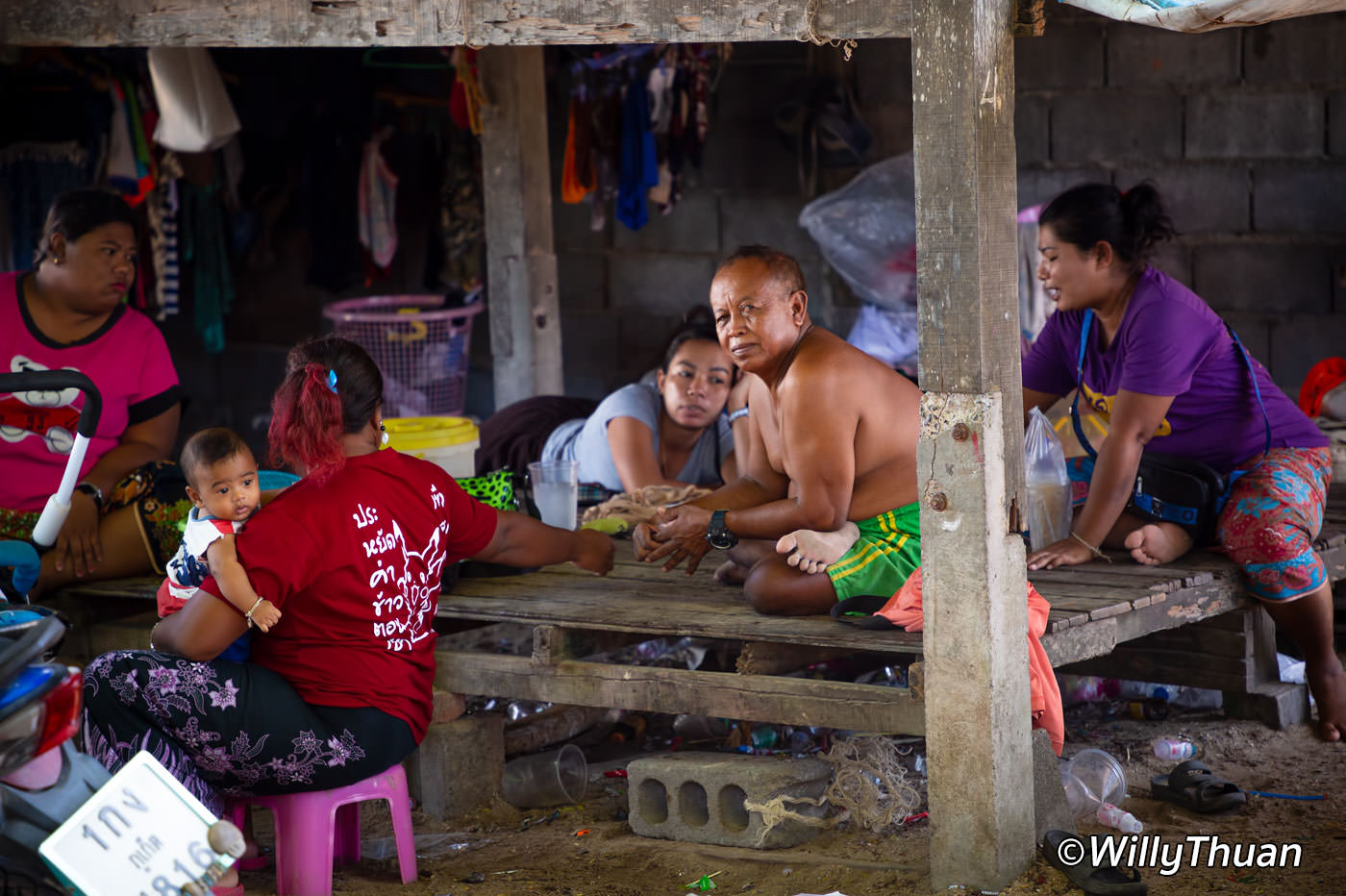
Chao Lay translates as “people of the sea” in Thai, and the name fits. These are Austronesian people who have lived along the Andaman Coast for centuries, moving between the islands and coasts of what is now Thailand, Myanmar and Malaysia. In Thailand, the Chao Lay are divided into three distinct groups: the Moken, the Moklen, and the Urak Lawoi. Each group has its own language and customs, though outsiders often use the terms interchangeably.
The community at Koh Sirey belongs to the Urak Lawoi, the most settled of the three groups and the most integrated into Thai society. The Urak Lawoi have lived in Phuket for generations. They speak a language that draws from both Malay and Thai, and most families also speak Thai. Since the early 1960s they have held Thai citizenship, which means access to schools, ID cards, and basic public services. That said, their identity remains firmly their own.
The Moken, who live further north around the Surin Islands and Mergui Archipelago, are the most traditional branch. They became widely known internationally after the 2004 tsunami, when their oral knowledge of the sea allowed entire communities to survive. Village elders had passed down knowledge of warning signs, including changes in the colour of the water, the behaviour of birds, and the sudden withdrawal of the sea. That knowledge saved lives.
Daily Life in the Village
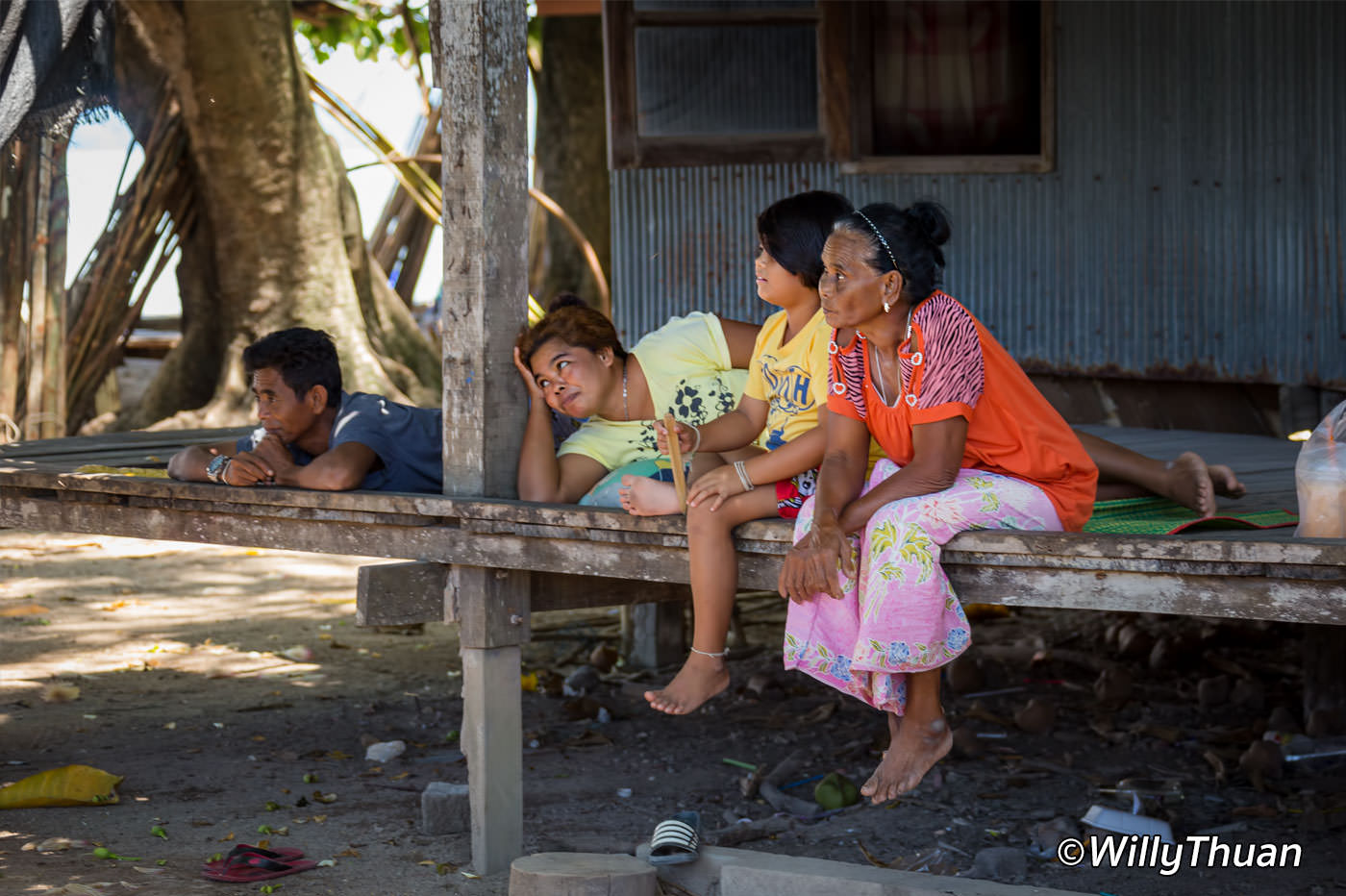
The village is made up of small wooden and tin-roof houses, most built on stilts. There are no fences or signs, just sandy paths and motorbikes with sidecars parked in front of homes. Families spend a lot of time sitting under their houses, where it’s cooler. Some are cooking or sorting fishing gear, others just chatting or resting on raised platforms made of wood. Children run around barefoot, weaving between motorbikes and playing along the beach.
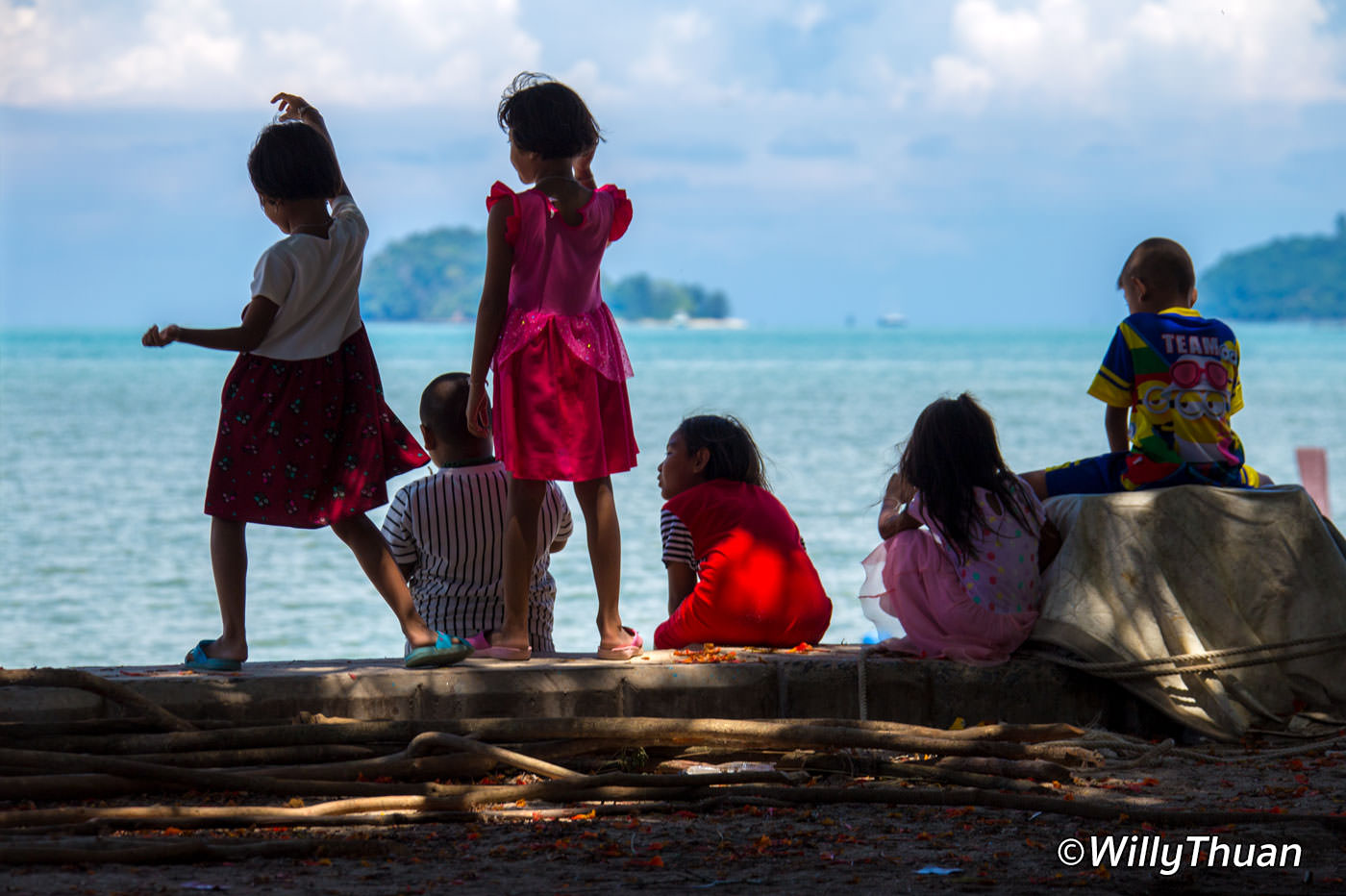
The place is peaceful and honest. There’s no attempt to turn it into an attraction. It’s still very much a working village, where people focus on daily tasks and rely on the sea for income.
Fishing and Traditions
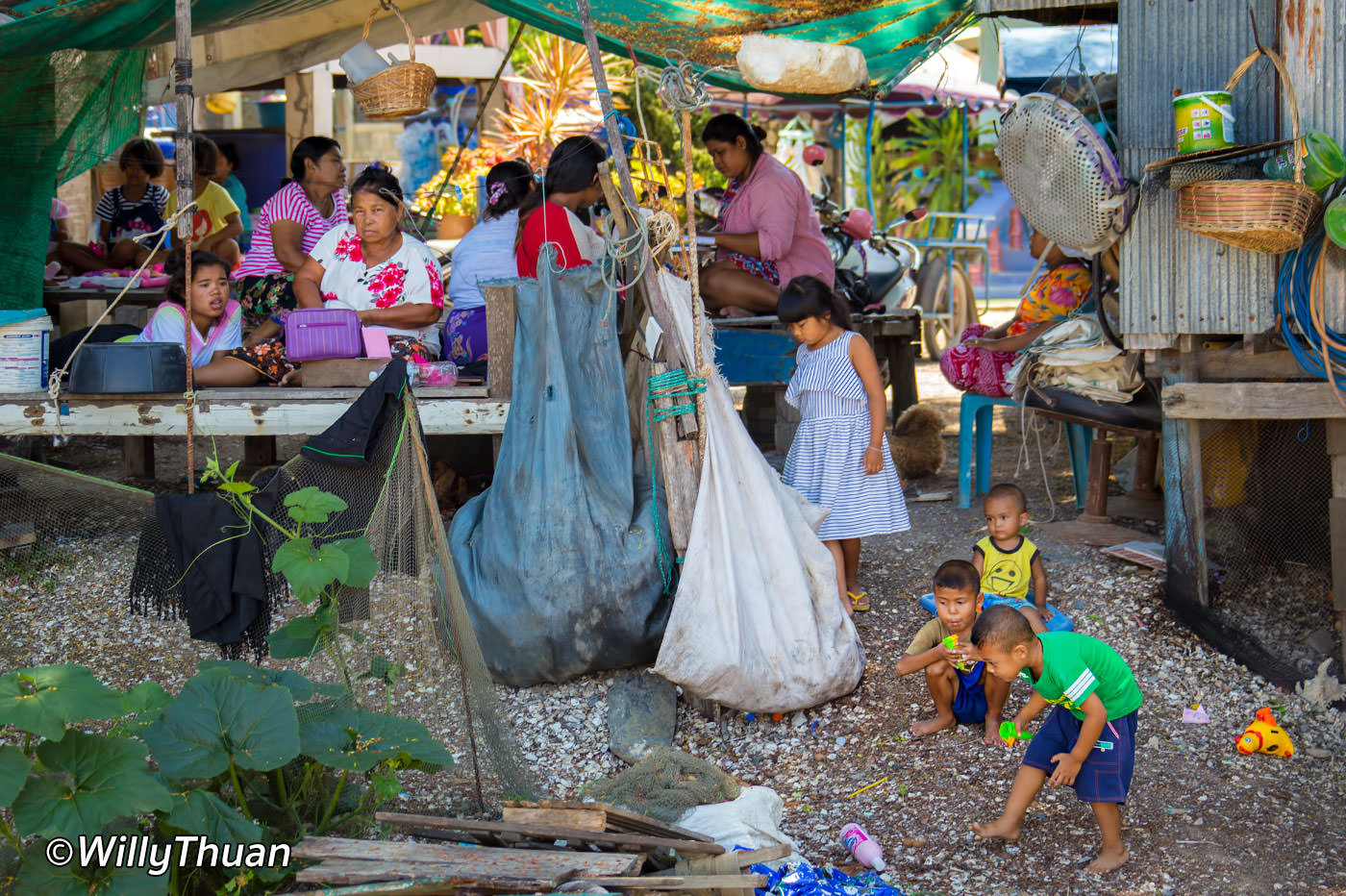
Most of the villagers earn a living from fishing. Longtail boats rest along the shore, and nets hang under the houses to dry. Early in the morning, some boats head out into the bay, while others stay close to the mangroves. What they catch is either sold in nearby markets or used at home.
The Chao Lay people also follow their own customs. There’s a small shrine by the sea where they leave offerings during special ceremonies. These rituals are private and deeply meaningful, not done for show. While most villagers speak Thai, many still use their own language at home.
One of the most important cultural events is the Loy Rua festival, held twice a year in line with the sixth and eleventh lunar months. The name means “to launch a boat”, and that is the centrepiece of the event. Small, elaborately decorated boats are set out to sea carrying offerings, symbolically releasing bad fortune and calling in good luck for the coming months. The ceremonies are accompanied by music, dancing, and traditional songs. If you happen to be in Phuket when this is happening, it is worth seeking out.
Land Rights and an Uncertain Future
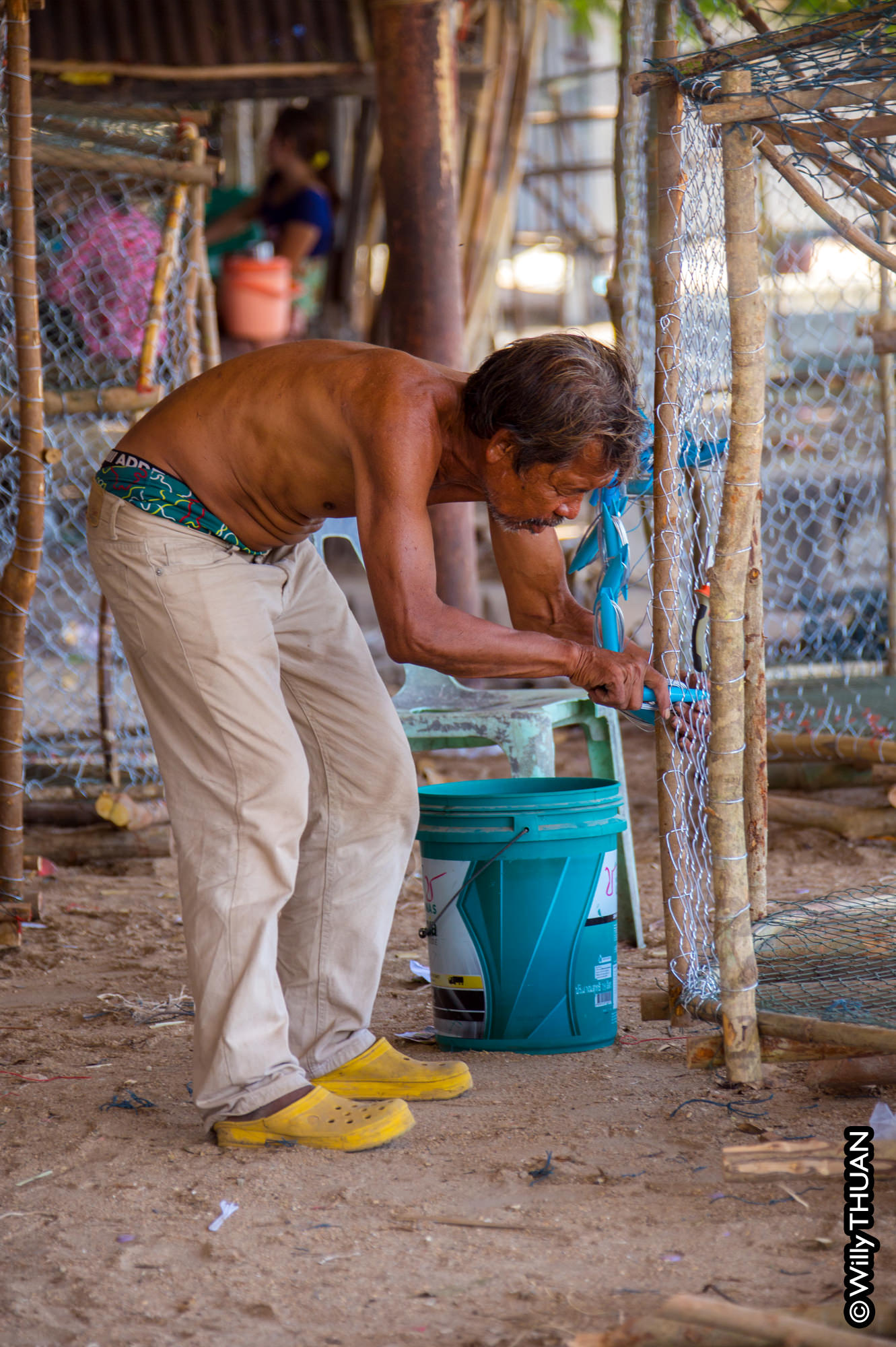
The village at Koh Sirey suffered damage in the 2004 tsunami. Some houses were destroyed and replacement homes were built nearby, though the community gradually returned to the original site. That recovery was not straightforward. Like Chao Lay communities across Phuket, including the larger settlement at Rawai, the people here face real pressure over land ownership. The concept of formal title deeds is foreign to a culture that has always treated coastal land as communal space. When developers or private buyers obtain deeds to land that communities have occupied for generations, the results can be devastating.
In 2010, the Thai government passed a resolution setting out a policy to protect the Chao Lay way of life. The practical impact has been limited, but it represented a formal acknowledgement of their cultural rights. The fishing grounds available to them have shrunk over the years, partly because of tourism development and partly because of marine conservation boundaries that restrict where they can work. Some younger members of the community have moved into tourism work or other trades. Others have stayed close to the sea, doing what their families have always done.
A Quiet Place to Visit
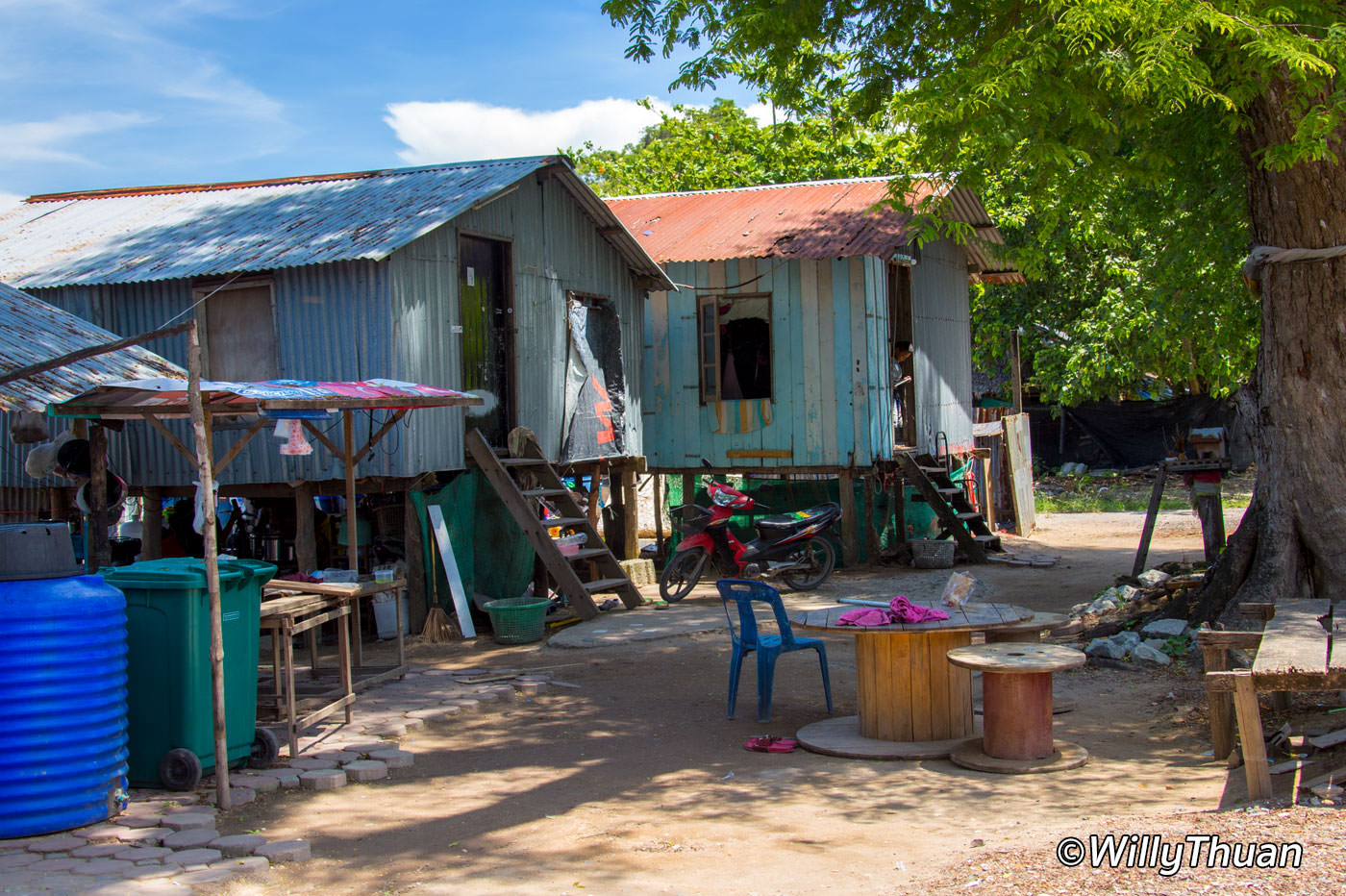
There’s nothing staged or prepared for visitors here. No cafés, no stalls, and no guides. But if you’re curious about the island’s past and you prefer real places over polished ones, this village is worth a short trip. It’s a reminder of what Phuket might have looked like before hotels, beach clubs, and shopping malls arrived.
Walking around slowly is the right approach. Residents are generally happy to say hello, and a few will stop to chat. The polite thing is to observe without intruding and to ask before taking photos of people. This is still someone’s home, not a museum, and treating it that way makes the visit feel better for everyone.


