

A Village Built on Stilts in Phang Nga Bay

Koh Panyee (also written Ko Panyi) is a Muslim fishing village built entirely on stilts in Phang Nga Bay, about an hour northeast of Phuket by boat. I’ve visited many times over the years, usually as part of a day trip that also stops at James Bond Island, and the village still fascinates me. It can be hectic at lunchtime when the tour boats all arrive at once, but if you get there early, before the crowds, it’s a completely different experience.
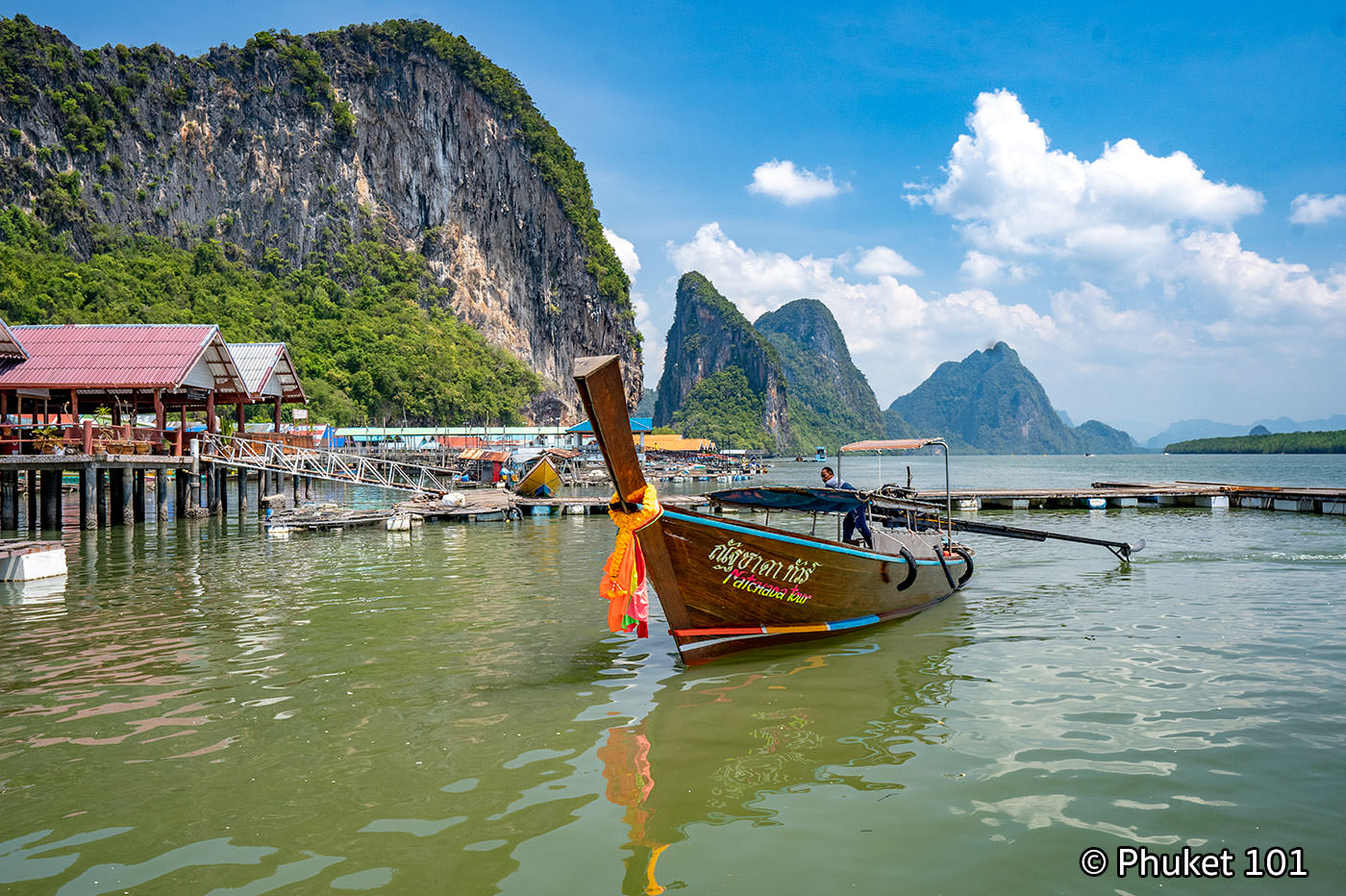
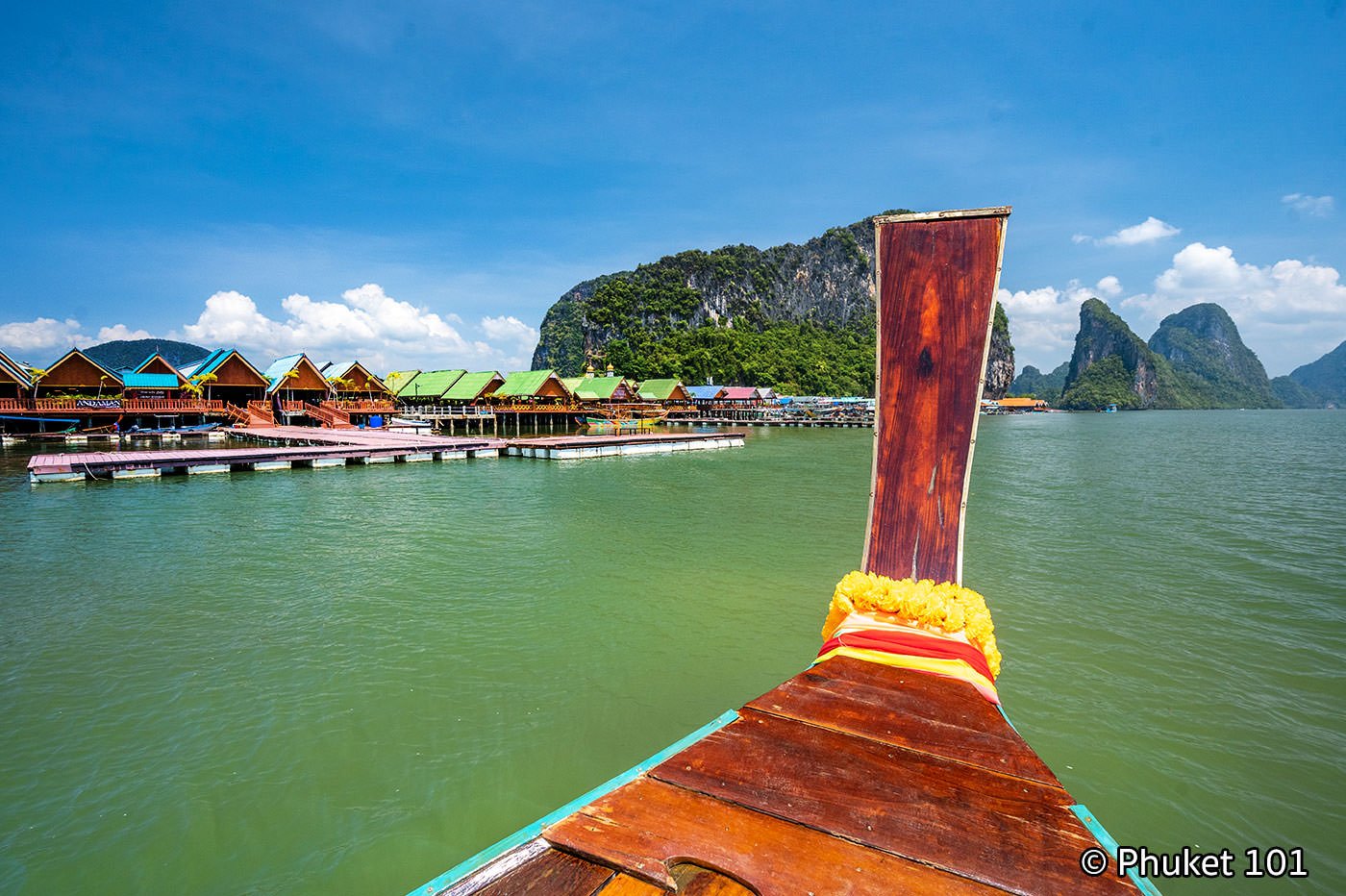
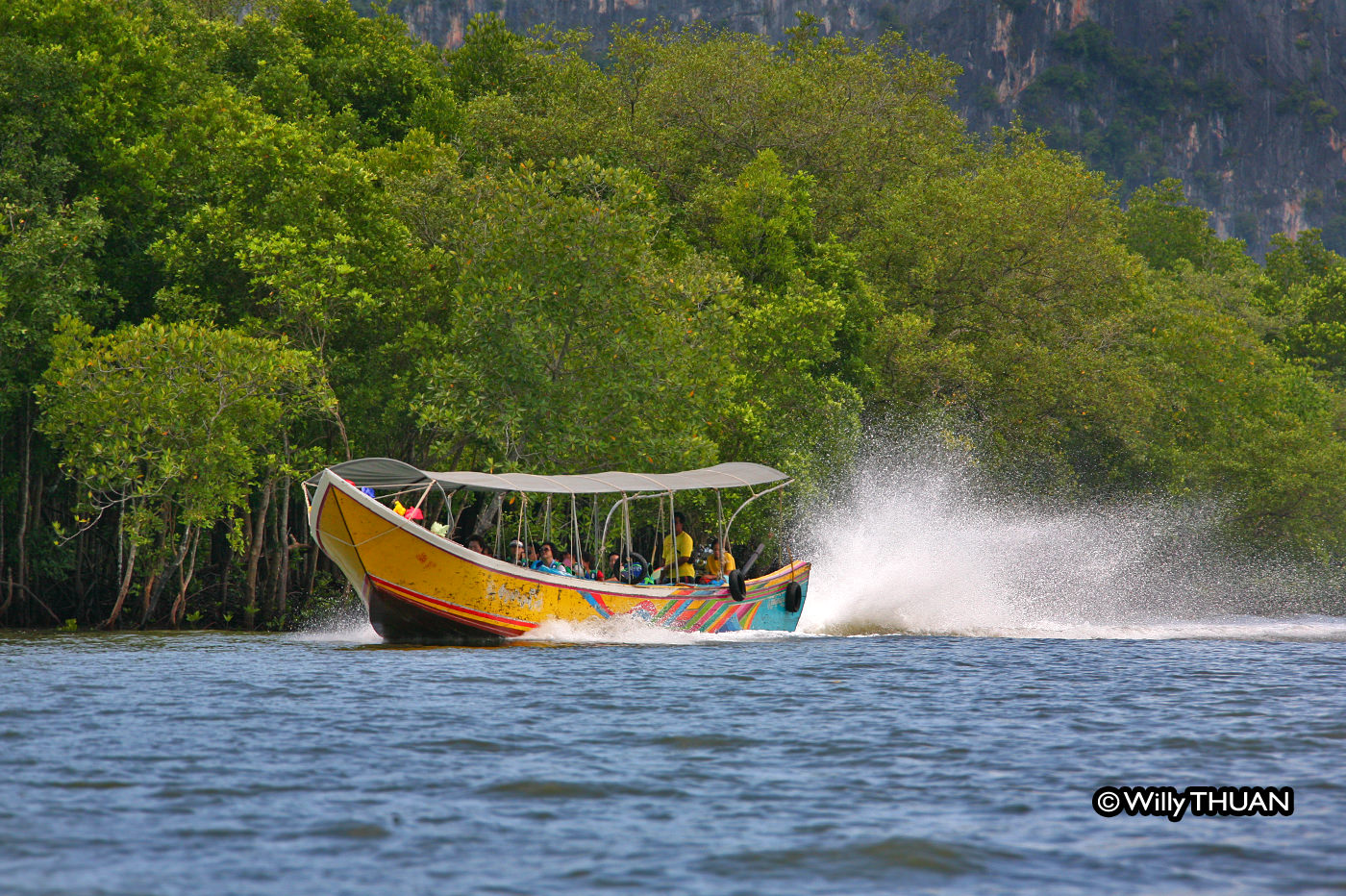
If you want Koh Panyee almost to yourself, rent a car and drive early to Surakul pier in Phang Nga, then hire a longtail boat. It takes about 20 minutes and costs around 1,500 Baht for the boat. Not cheap, but worth it if you want time to explore without hundreds of other visitors. The boat ride alone is worth it, gliding through mangroves and between massive limestone rocks before the village appears at the base of a giant cliff.
The Story of Koh Panyee
The village was founded around 200 years ago by a group of Muslim fishermen from Indonesia. The widely told version says they came from Java, but local oral histories suggest something different. The settlers called themselves “Jawi” or “Javee,” a term used across the Malay world for Muslim communities. In Thai pronunciation, “Jawi” can sound close to “Java,” and over time the distinction may have been lost. Whether Javanese or Malay, their descendants still live here today. The story goes that a fisherman named Toh Baboo and two other families left Indonesia by boat, searching for a new place to live with good fishing. They made a pact: whoever found the right spot would raise a flag on the highest point to signal the others. Toh Baboo found this bay, raised his flag on top of the limestone cliff, and that’s how the island got its name. Koh Panyee means ‘Island of the Flag’ in Thai.
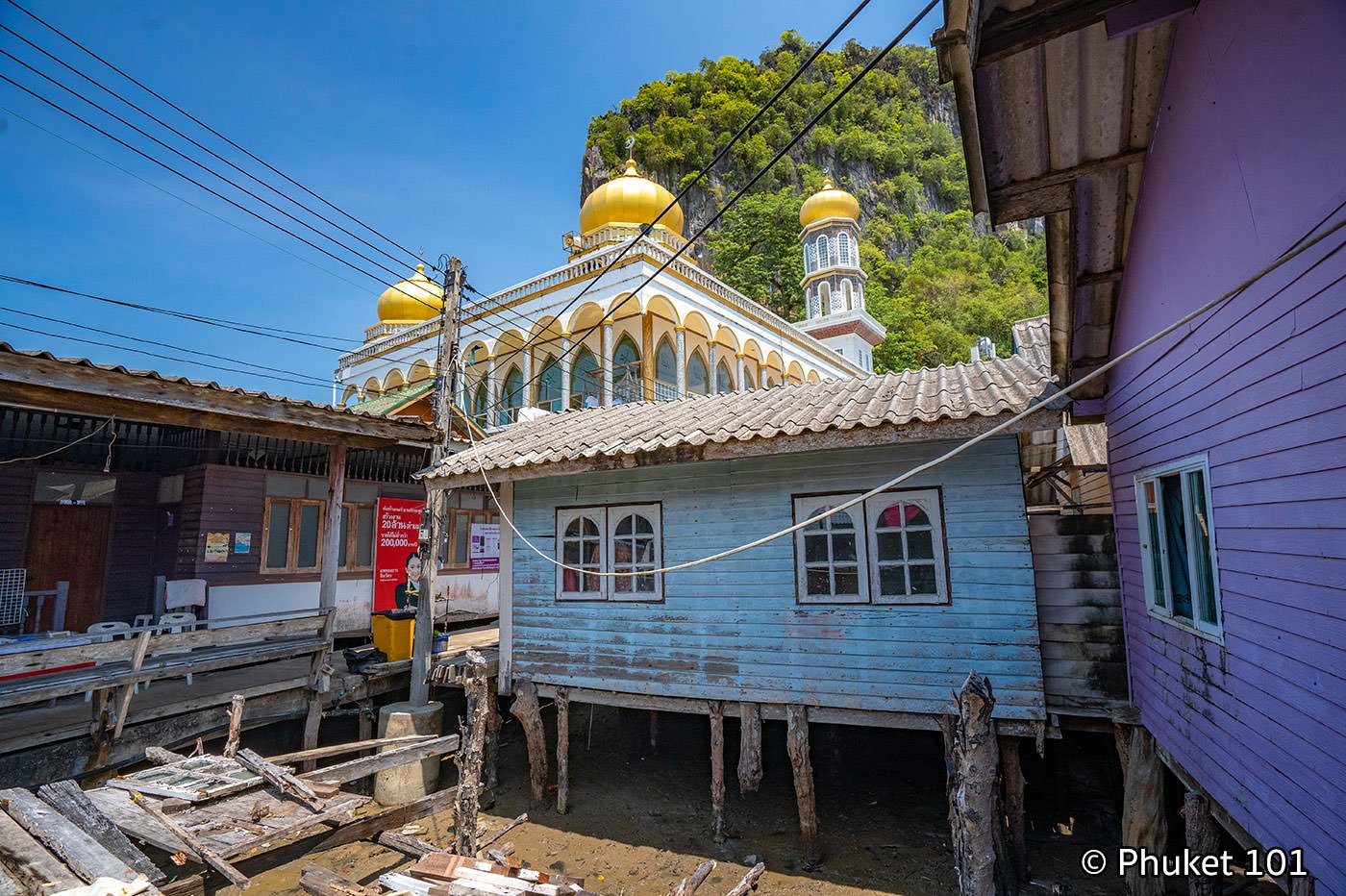
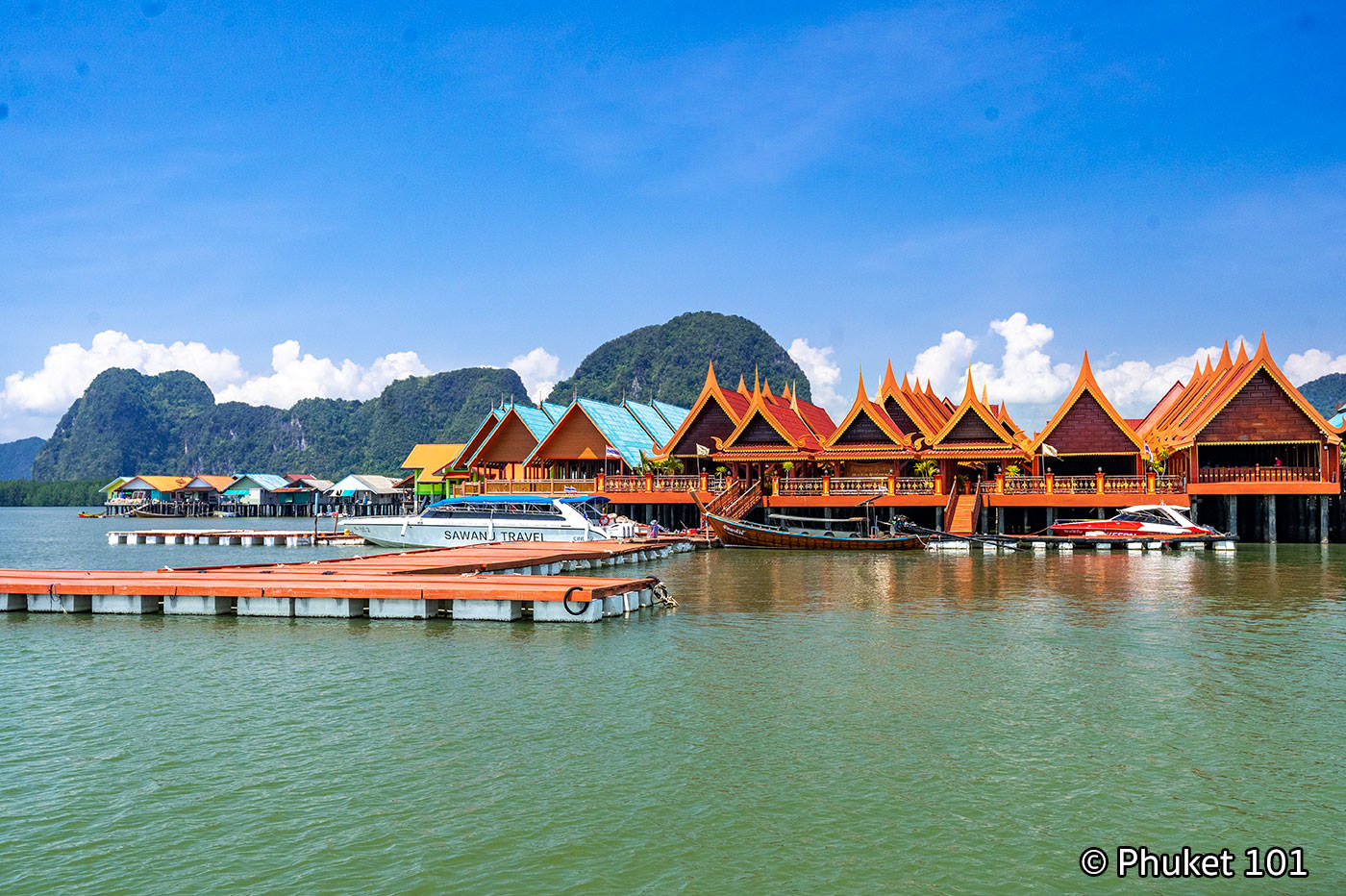
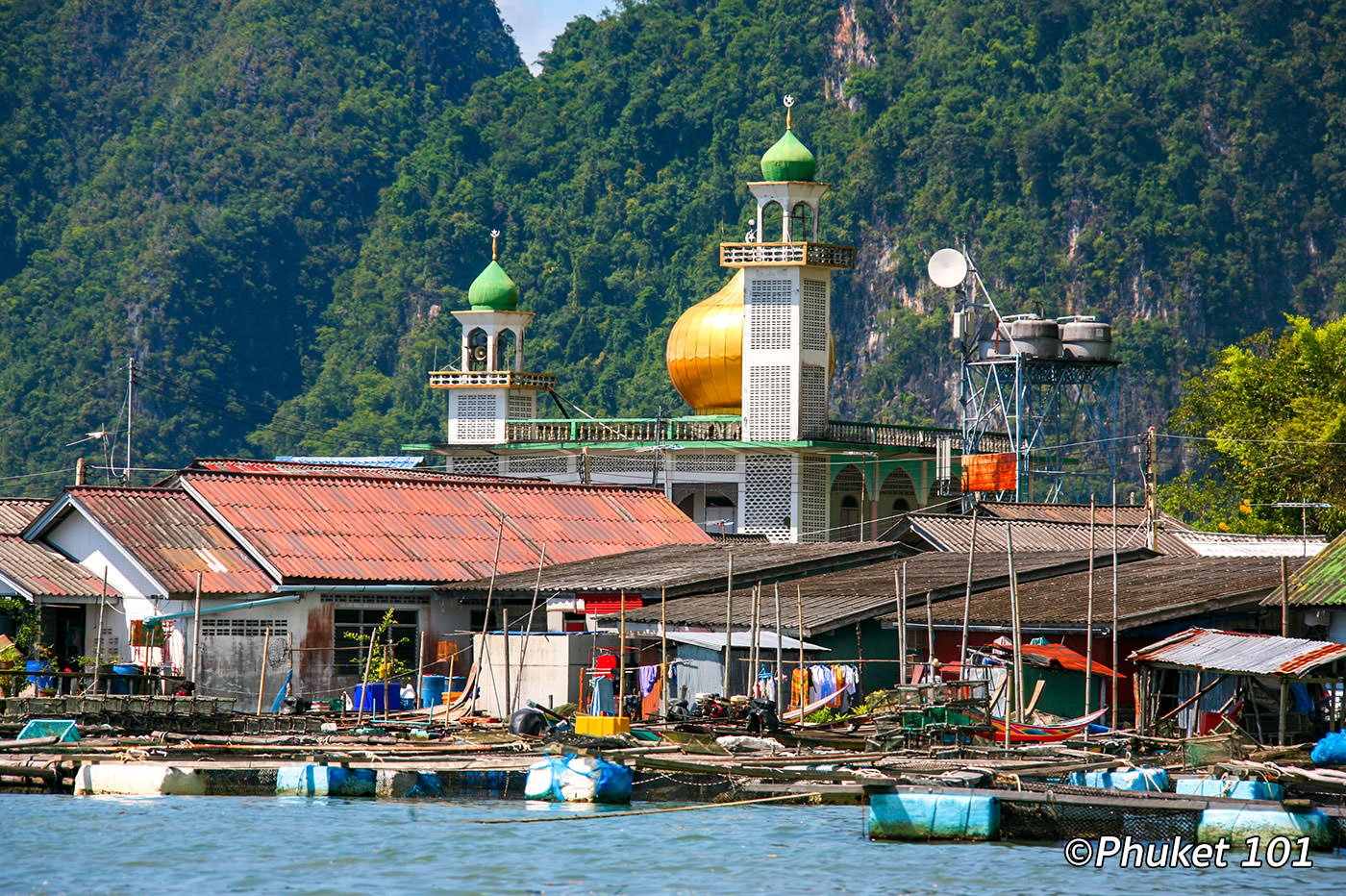
At the time, Thai law didn’t allow foreigners to own land. So instead of building on shore, the fishermen built their homes on stilts over the shallow water around the cliff. The village grew from there and hasn’t stopped. Today around 1,600 people from about 360 families live here, nearly all descended from those original settlers. Only a tiny part of the village is on solid ground, where the mosque stands. Everything else is built over water, connected by wooden walkways, concrete paths, and planks of varying reliability.

The Famous Floating Football Pitch
One of the most well-known things about Koh Panyee is its floating football pitch. Back in 1986, inspired by the World Cup, a group of kids in the village decided they wanted to play football. The problem was obvious: there’s no flat land. So they built their own pitch from old scraps of wood and fishing rafts, right on the water. The ball went into the sea constantly. They played barefoot on nailed-together planks. And somehow, they got good enough to compete in regional tournaments on the mainland.
The original wooden pitch has been rebuilt multiple times since then. In 2024, the Gumball 3000 Foundation funded a full renovation with a proper surface and fencing to stop the ball going into the water. Kids still play on it every evening after the tourists leave. The story became famous worldwide after TMB Bank made a short film about it in 2011, and the video has been watched millions of times. When you visit, you can walk to the pitch, it’s at the far end of the village, past the souvenir area. It’s one of those things that makes Koh Panyee more than just a tourist lunch stop.

What to Expect When You Visit
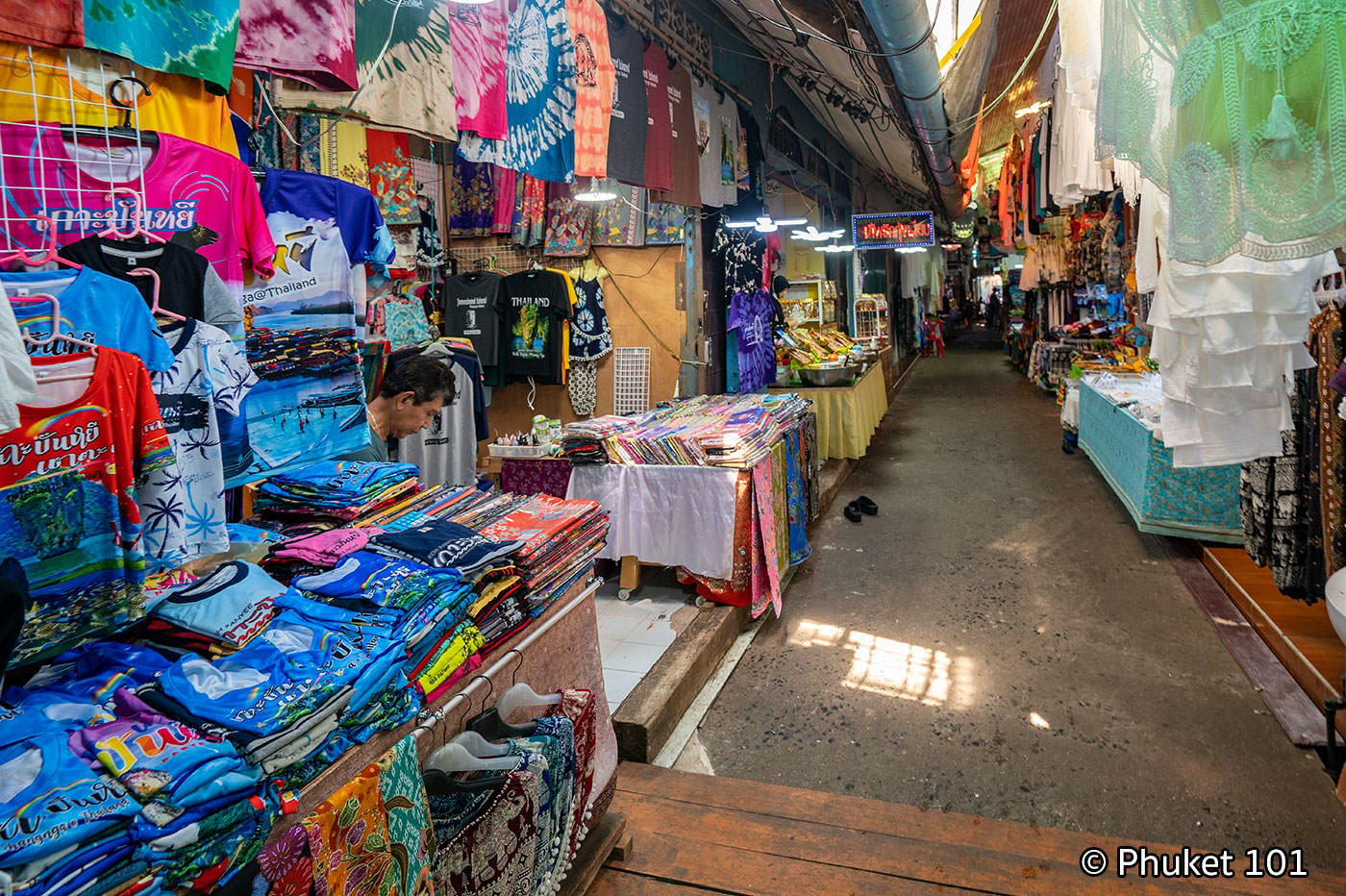
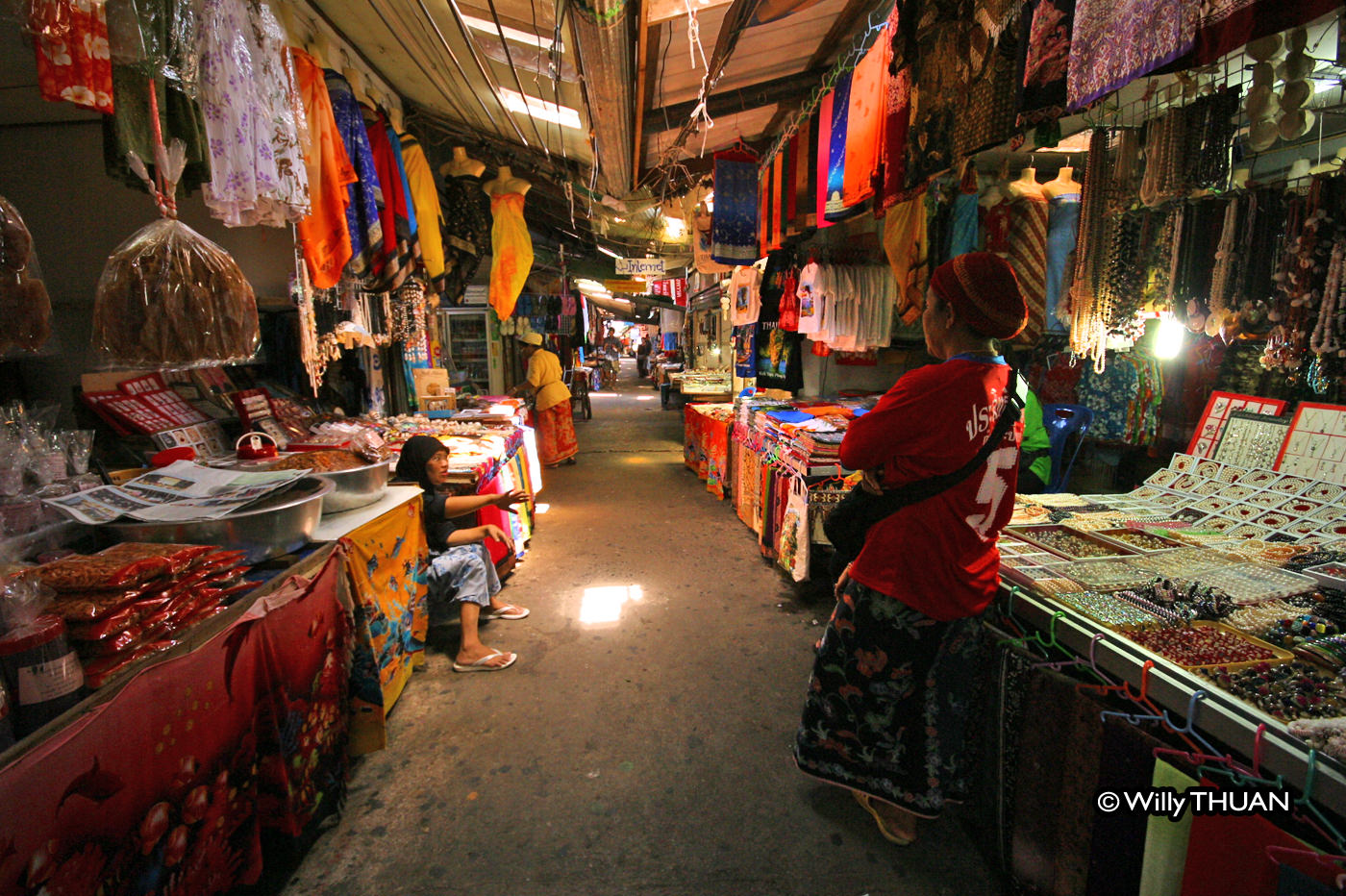
You’ll disembark at the main pier, where a dozen seafood restaurants are getting ready for the lunchtime rush. The central part of Koh Panyee is a concrete floor connecting dozens of tiny souvenir shops, and from there, a narrow maze of uneven planks leads deeper into where people actually live. Start exploring and you’ll get easily lost in the network of walkways and tiny shops, all selling tee shirts, batiks, and stuff made of shells. I guess some people buy those.

Once you walk away from the tourist centre, space opens up between wooden houses, corrugated iron roofs, and bits of everything patched together. You can see more of the sea and the sunlight. Koh Panyee is a complete village with a school, police station, a small health centre, and a mosque. Living space is scarce, but people are used to it.
Tourists have been photographing the locals so often that they barely acknowledge your presence. Unless you show signs of buying something, they’ll keep going with their daily lives right in front of you: eating, sleeping in hammocks, cleaning, cooking and chatting. It’s odd to witness their every move directly inside their house. The school is no different. Kids have classes there, and being photographed by tourists became part of their routine. Just try to imagine yourself in the same situation at your school. It would feel weird, wouldn’t it?
Koh Panyee is full of life, colours, sights and smells, and it’s still a unique place. But you’ll have to be talented to come up with a photo no one has taken before.

More about Phang Nga Bay
Where to Eat in Koh Panyee
Most tours stop here for lunch, and there are a dozen or so restaurants lined up along the waterfront. The food is decent, not amazing, but decent. Despite being a tourist attraction, Koh Panyee is still a real fishing village, and the seafood is fresh. I’ve had a good Tom Yum Goong here more than once. The Panyee Muteara Seafood Restaurant is one of the better known ones, and the large waterfront restaurants that cater to tour groups all serve similar menus: grilled fish, prawns, squid, curries, and stir-fries.
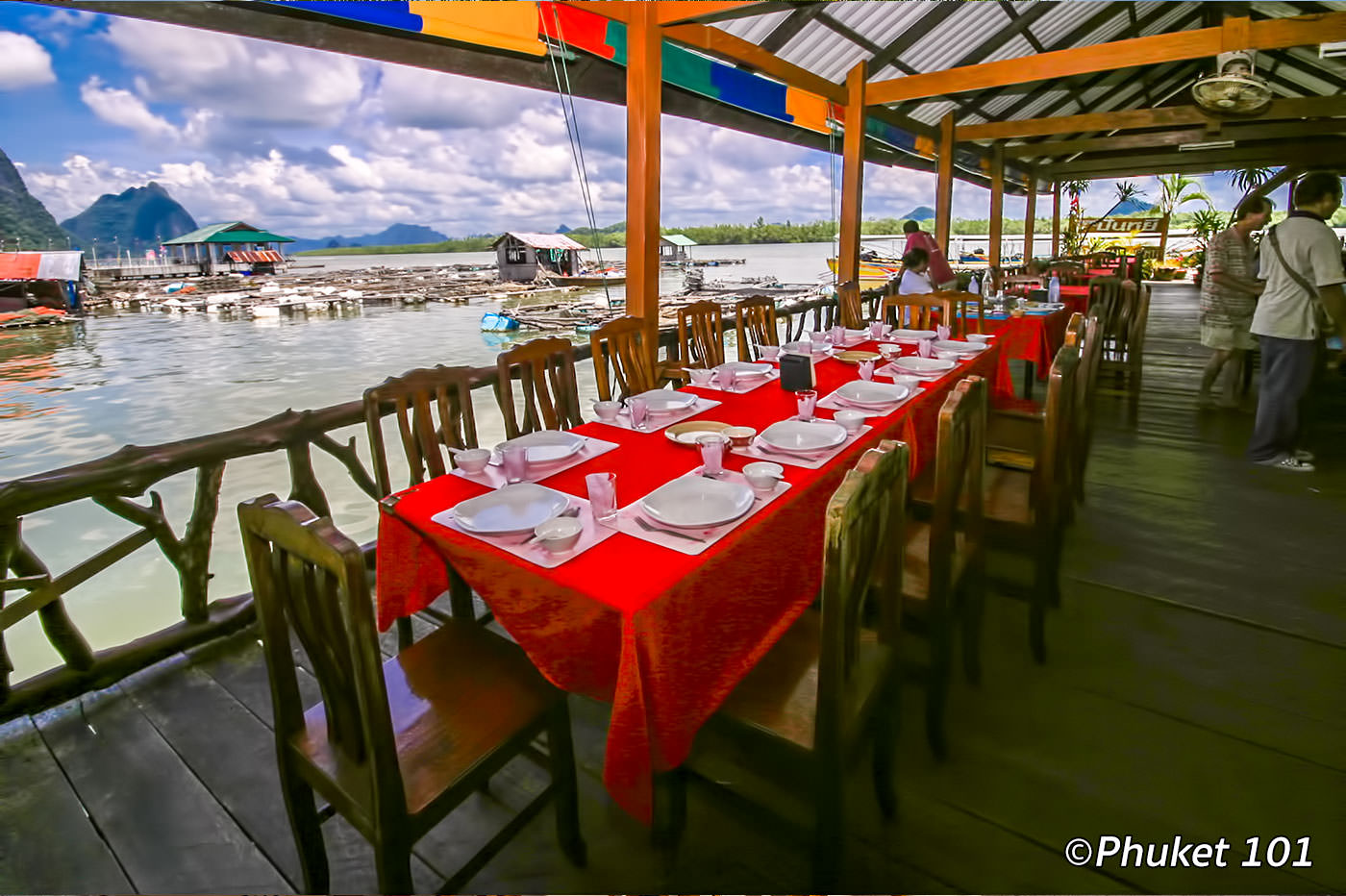
Don’t expect gourmet dining, this is group-lunch territory and the restaurants know it. But the setting makes up for a lot. If you’re there independently and arriving early, you’ll have a better experience because the kitchen isn’t rushing to serve 200 people at once. Also worth trying: the grilled squid and satay from street vendors around the village. They’re simple, cheap, and good.


What to Know Before You Visit
It’s a Muslim village. Koh Panyee is home to a conservative Muslim community. Dress modestly, cover your shoulders and knees, especially near the mosque. No alcohol is sold anywhere in the village, and you shouldn’t bring any with you.
No pork and no smoking. In addition to no alcohol, pork is not served or welcome on the island. Smoking is also not accepted in the village. These are important customs to respect.
Timing matters a lot. Tour boats from Phuket typically arrive between 11 am and 1 pm, and that’s when the village is at its busiest and least enjoyable. If you can get there before 10 am independently, you’ll see a completely different place, quiet, calm, with locals going about their morning.
It’s on stilts, not floating. A lot of websites call it a “floating village,” but it’s not. The houses are built on wooden and concrete stilts driven into the shallow seabed. At low tide, the water retreats and you can see the full stilt structure exposed underneath. It’s actually more impressive that way.
Be respectful with your camera. The locals are used to tourists photographing everything, including the inside of their homes and their children at school. They tolerate it, but that doesn’t mean it’s polite. Use some common sense.
You can stay overnight. The James Bond Hotel offers simple bungalows with fans and cold water. The more expensive room has a balcony overlooking Phang Nga Bay. Once the tour boats leave in the afternoon, the souvenir shops close and the village returns to its real daily life. You can also rent a kayak for about 300 baht and paddle around the village at sunset.
How to Get to Koh Panyee
The easiest way is to book a Phang Nga Bay day trip from Phuket, which almost always includes a stop at Koh Panyee along with James Bond Island, kayaking through sea caves, and lunch. You can book through tour counters on the street, at your hotel, or click here for an early bird tour.
If you want to go independently, drive to Surakul pier in Phang Nga (about 90 minutes from Phuket) and hire a longtail boat directly. Expect to pay around 1,500 Baht for the boat, which takes about 20 minutes each way. This is the best option if you want to arrive before the tour groups.
Koh Panyee Video from above
Subscribe to my YouTube channel for more Phuket videos!
Near Koh Panyee
James Bond Island

Tours to Koh Panyee almost always include a stop at the nearby James Bond Island, made famous by the 1974 movie ‘The Man with the Golden Gun.’ It’s a 20-minute boat ride from the village.
Koh Panyee Photos


Insider Tips
The single best tip for Koh Panyee is to skip the tour group schedule entirely. Drive to Surakul pier in Phang Nga province (about 90 minutes from Phuket) and hire a longtail boat early in the morning. Getting there before 10 am means you arrive before the tour boats, and the village feels like a completely different place. Locals are going about their morning, the restaurants are calm, and you can walk the narrow paths without being pushed along by a crowd.
Walk past the souvenir area and the restaurants. Keep going deeper into the village until the concrete paths turn to wooden planks and you can see the water through the gaps in the floor. That is where people actually live, and it is the most interesting part of Koh Panyee. The tourist section near the pier is maybe 20% of the village.
Order food before the lunch rush. The seafood is fresh because this is still a working fishing village, regardless of the tourism. The grilled squid from the small vendors is better value than the big waterfront restaurants, and the Tom Yum here is consistently good.
Dress modestly. This is a conservative Muslim community. Cover your shoulders and knees, especially near the mosque. No alcohol is sold anywhere on the island, and you should not bring any. Pork and smoking are also not welcome here.
If you want the full experience, you can stay overnight at the James Bond Hotel, a simple bungalow with fans and cold water. Once the last tour boat leaves in the afternoon, the souvenir shops close and the village returns to its real life. You can rent a kayak for about 300 baht and paddle around the village at sunset. That is Koh Panyee at its best.
Koh Panyee Through the Years
My first visit to Koh Panyee was in 1990. Back then, there were only a handful of tourists. The village was much smaller, and locals barely noticed me because visitors were not part of their daily routine yet. Kids were learning at the school as I walked by, and the floating football field was already there, long before any Thai bank made a film about it. You could eat fresh seafood and buy a few souvenirs, and that was the whole experience. Finding a self-sufficient village built on stilts in the middle of Phang Nga Bay was a genuine surprise.
Over the years, the village grew enormously. The concrete paths replaced most of the wooden walkways in the tourist section. Large seafood restaurants appeared along the waterfront, built to serve tour groups arriving by the boatload. The souvenir area expanded, and the quiet fishing village I first visited became one of the busiest stops in the bay.
The floating football pitch tells that story well. In 1986, kids built the original from old wood and fishing rafts. The ball would fly into the sea constantly. Those kids grew up to coach the next generation, and Panyee FC won six Southern Thailand youth championships between 2004 and 2010. The pitch has been rebuilt multiple times since then. In 2024, the Gumball 3000 Foundation funded a full renovation, and it now has a proper surface and fencing to stop the ball going into the water. Kids still play on it every evening after the tourists leave.
What has not changed is the village behind the tourist front. Walk far enough and you still find families cooking, repairing boats, and living the way they have for generations. The mosque still stands on the only piece of solid ground. The school is still there. Fishing is still part of daily life, even if tourism pays more. Koh Panyee is not what it was in 1990, but it is still a real village, not a theme park.
Koh Panyee Map
If you are on mobile, add the map here: https://goo.gl/maps/LbH3BsRB5kfpLHTS7.
FAQs about Koh Panyee
More Tours in Phuket