

Thursday Buddha Posture and Its Story
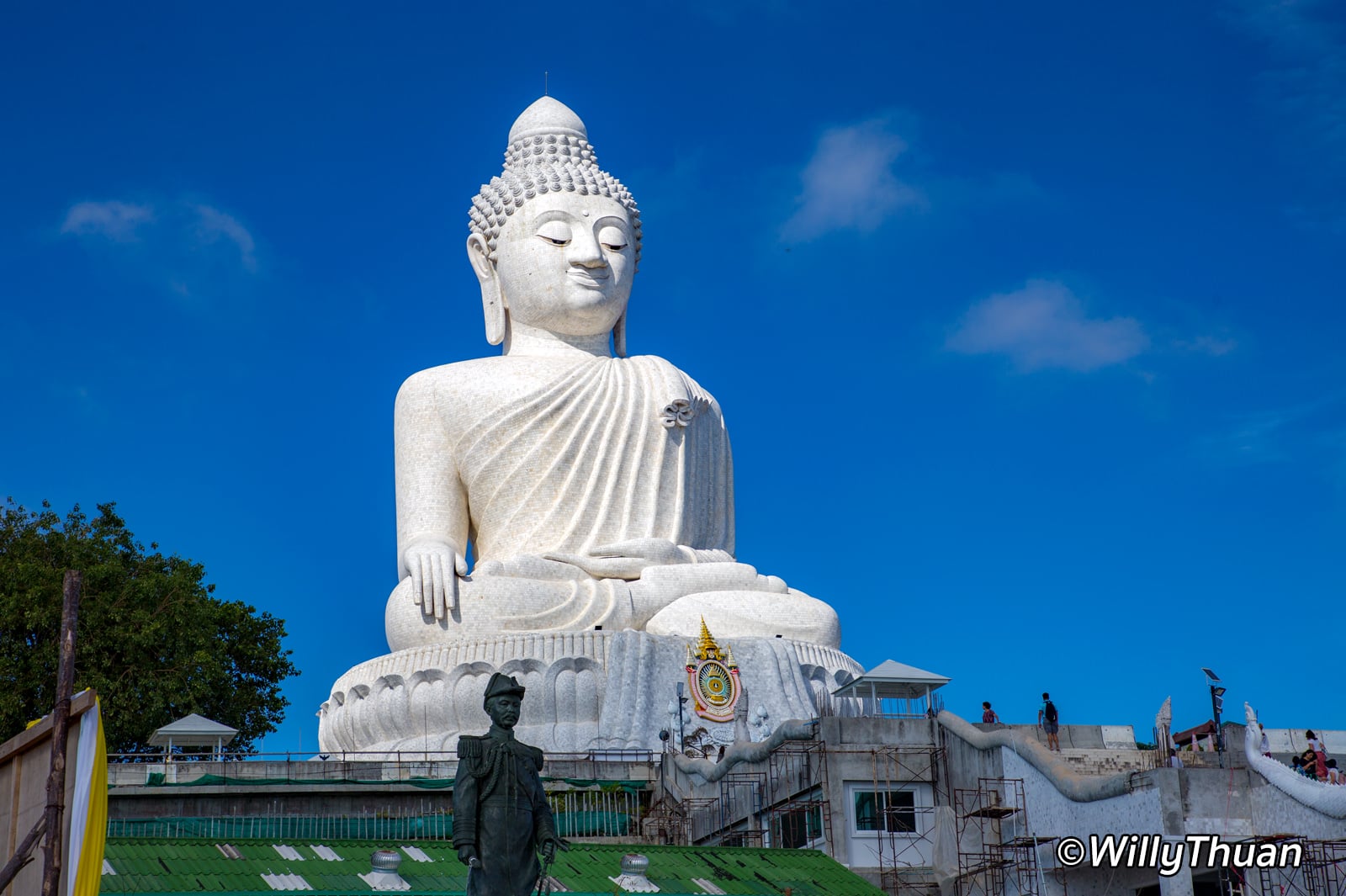
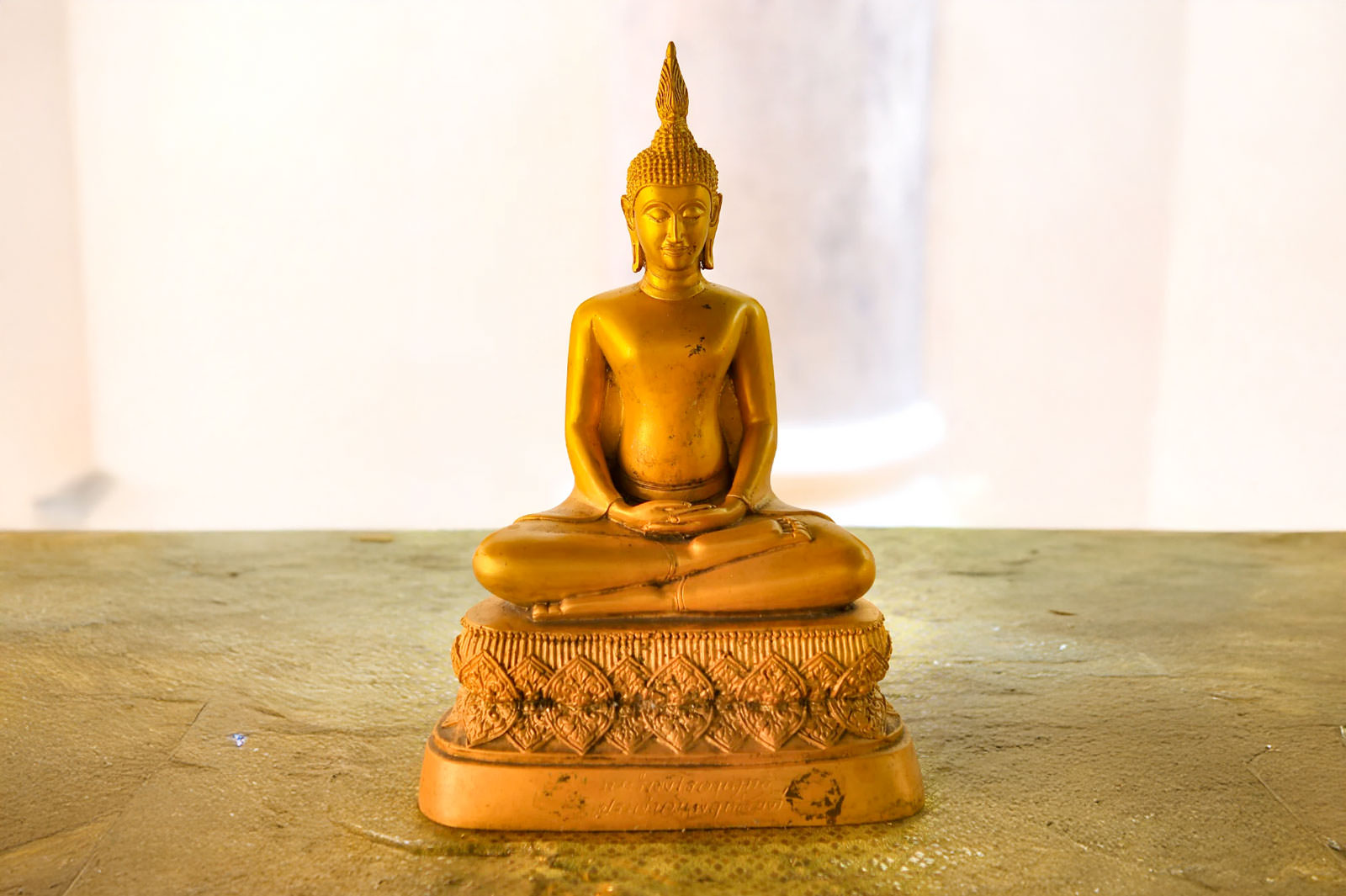
In Thai temples across Phuket, you’ll find Buddha statues arranged by the day of the week. Thursday’s image shows the Buddha seated in deep meditation, hands resting in his lap. This posture, called Pang Samathi in Thai, represents the moment before enlightenment when the Buddha sat beneath the Bodhi tree and refused to move until he understood the nature of suffering. For visitors exploring Wat Chalong or the Big Buddha, this calm, cross-legged figure marks one of the most significant moments in Buddhist history.
What the Thursday Posture Looks Like
The Thursday Buddha sits in full lotus position. Both legs are crossed with the right leg over the left. The soles of both feet face upward and are visible. This is the traditional meditation posture used by monks across Thailand.
The hands rest in the lap, palms facing up. The right hand sits on top of the left. The thumbs touch lightly, forming a small oval or triangle. This hand position is called dhyāna mudrā, the gesture of meditation. It represents balance and inner focus.
The Buddha’s eyes are closed or nearly closed. The face is calm. There’s no tension in the expression. The body sits perfectly upright without leaning forward or back. Everything about the posture suggests stillness and concentration.
This isn’t a moment of teaching or protection. It’s a moment of looking inward. The crossed legs provide a stable base. The upright spine allows the breath to flow easily. The hands in the lap remove distraction. Thai artists depict this posture with particular care because it shows the point where human effort meets awakening.
The Story Behind the Posture
Ancient Buddhist texts describe how the Buddha reached enlightenment. After years of extreme practices that nearly killed him, he accepted a simple meal of rice milk from a village woman. He regained his strength and walked to a large tree near the town of Uruvelā.
A grass-cutter named Sotthiya offered him bundles of kusa grass. The Buddha spread the grass beneath the tree’s branches and sat down. He folded his legs into the meditation posture and made a vow. He would not stand up again until he fully understood the truth about suffering and freedom.
He sat through the night. Various obstacles appeared in his mind. Doubt, fear, desire, and attachment all tried to pull him away from his focus. He remained seated. By dawn, he understood the cause of suffering and how to end it. He became fully awakened.
The tree became known as the Bodhi tree, the tree of awakening. The spot where he sat is still visited by Buddhists today in Bodh Gaya, India. Thai temples recreate this moment with the Thursday Buddha statue. The meditation posture isn’t just a way of sitting. It’s a symbol of determination and the possibility of transformation.
What the Posture Means
In Thai culture, the Thursday Buddha represents wisdom and self-discipline. The crossed legs and upright spine show a person who can’t be easily moved or distracted. The hands in the lap suggest someone who isn’t grasping for anything external.
Teachers and students in Thailand often pay respect to the Thursday Buddha. The posture is associated with learning, teaching, and the law. It represents the ability to focus on what matters and ignore what doesn’t.
The meditation posture also appears throughout Buddhist practice. Monks sit this way during meditation sessions. Laypeople learning meditation are taught the same position. When you see the Thursday Buddha, you’re looking at the same posture that monks have used for more than 2,500 years.
There’s a practical lesson in the image. The Buddha didn’t achieve enlightenment by praying to someone else or performing rituals. He sat down, looked carefully at his own mind, and worked through what he found there. The Thursday posture reminds people that some answers can only be found through patience and direct observation.
Thursday Birth Belief in Thai Culture
Thai tradition links each day of the week to a Buddha posture and a set of personal qualities. People born on Thursday are said to be honest, peaceful, and drawn to knowledge. They’re thought to make good teachers, lawyers, or civil servants.
Thursday’s colour is orange, the colour of monks’ robes in Thailand. This belief isn’t part of the original Buddhist teachings. It developed in Thailand as a way to connect daily life with Buddhist values. Many Thais know which day of the week they were born and can point out their corresponding Buddha image in any temple.
Where to See the Thursday Buddha in Phuket
Wat Chalong displays the complete set of seven-day Buddha images inside the Phra Mahathat Chedi, the tall white tower in the temple compound. The Thursday meditation Buddha sits on the first or second floor among the other weekday statues. Each image has a label showing the day and posture name.
The Big Buddha on Nakkerd Hill (when it will reopen) also has a seven-day Buddha shrine near the main statue. The Thursday image sits in the row with clear markers for each day. The site is free to enter and open daily. You can reach it by motorbike or taxi from most parts of southern Phuket.
Both locations allow visitors to make small offerings. You’ll often see fresh flowers, incense, or small amounts of money placed in front of each weekday Buddha.
A Moment of Stillness
The Thursday Buddha doesn’t point or gesture. It doesn’t stand in triumph or lie in peaceful rest. It simply sits. For travellers moving quickly through Phuket’s beaches and markets, the meditation posture offers a different kind of image. It shows a moment when someone stopped moving, looked inward, and found something worth sharing with the world.
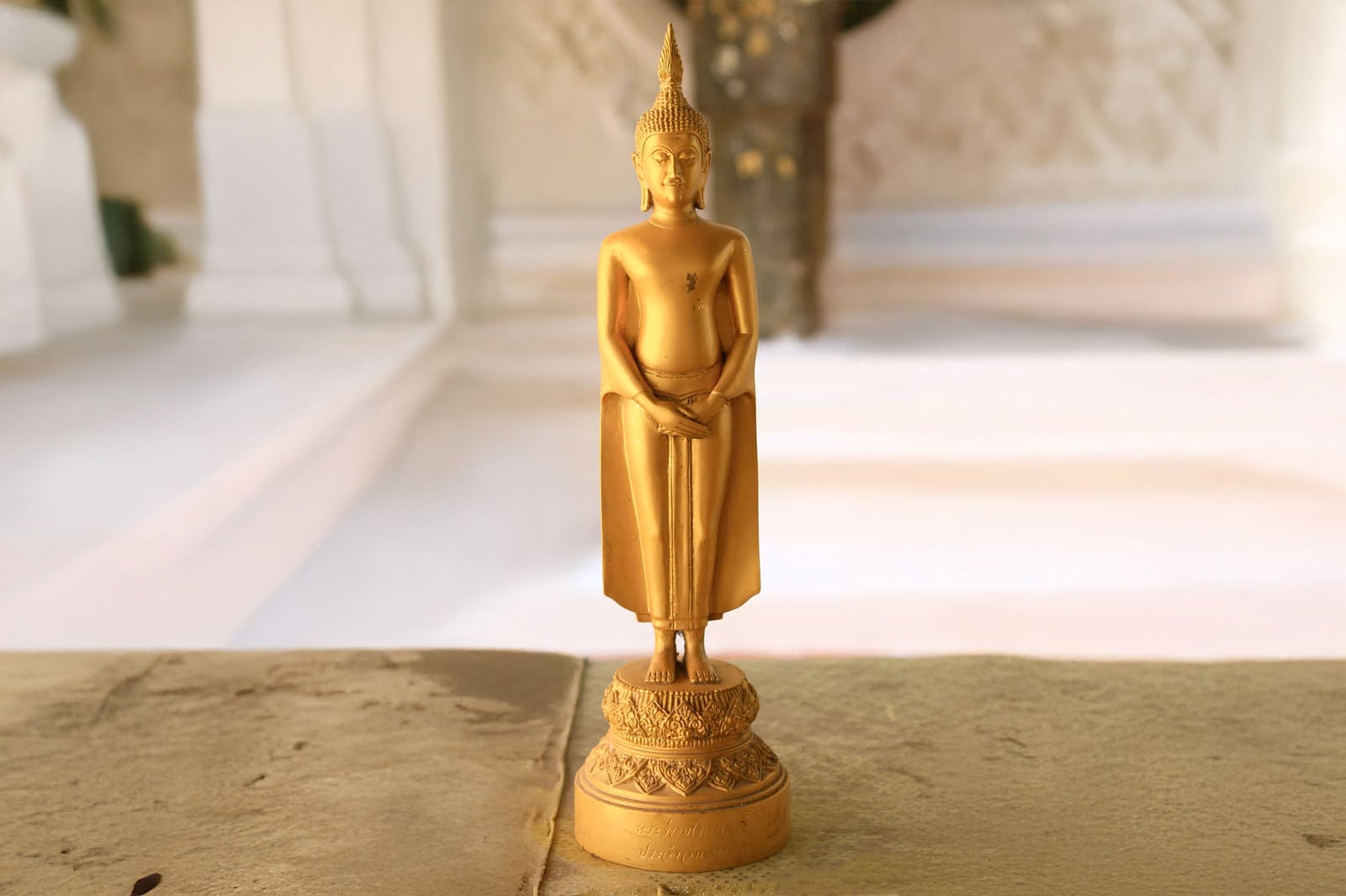
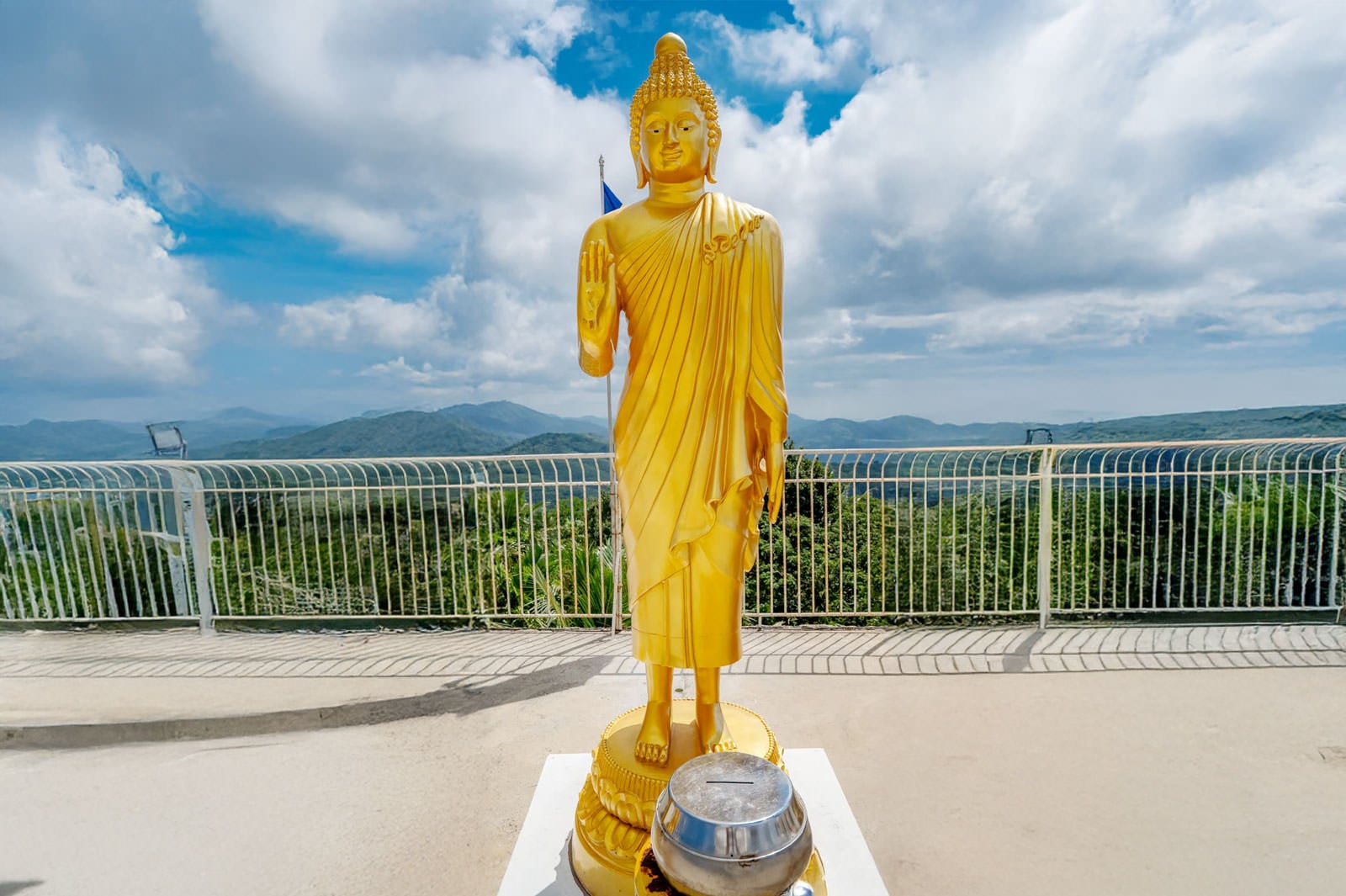
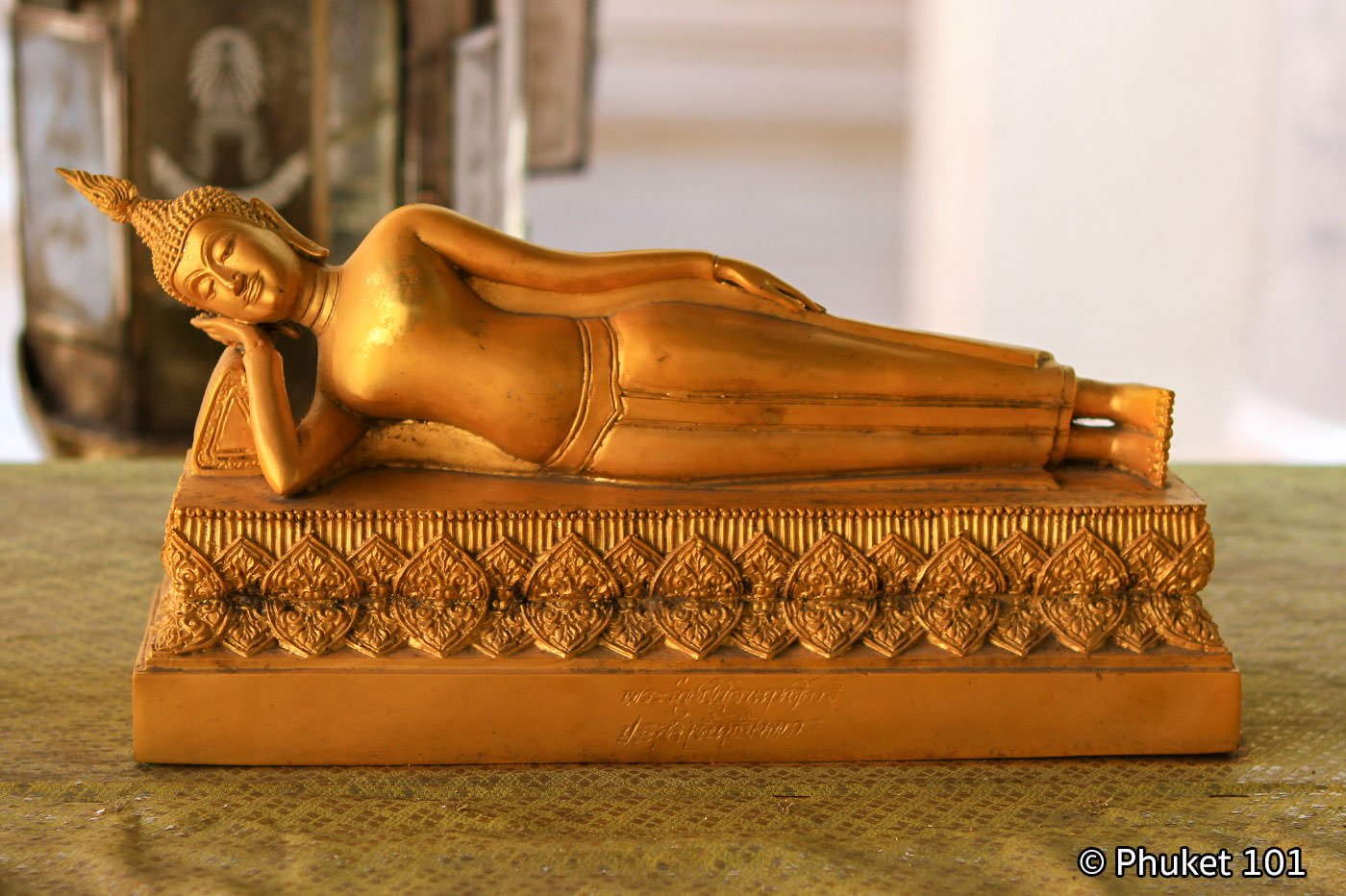
The Buddha Postures for the Days of the Week