

Hua Lamphong, Bangkok

Hua Lamphong is a district in Bangkok’s Pathum Wan area, named after the old railway station. The neighbourhood has changed over the years as train services moved elsewhere, but it still has the grand station building, plus old Chinese shophouses, temples, street food, and some newer developments around Chulalongkorn University.
The area connects several interesting parts of Bangkok: Talad Noi (old Chinese riverside neighbourhood), Yaowarat (Chinatown), and the university district around Sam Yan. You can walk between them easily.
Hua Lamphong Railway Station
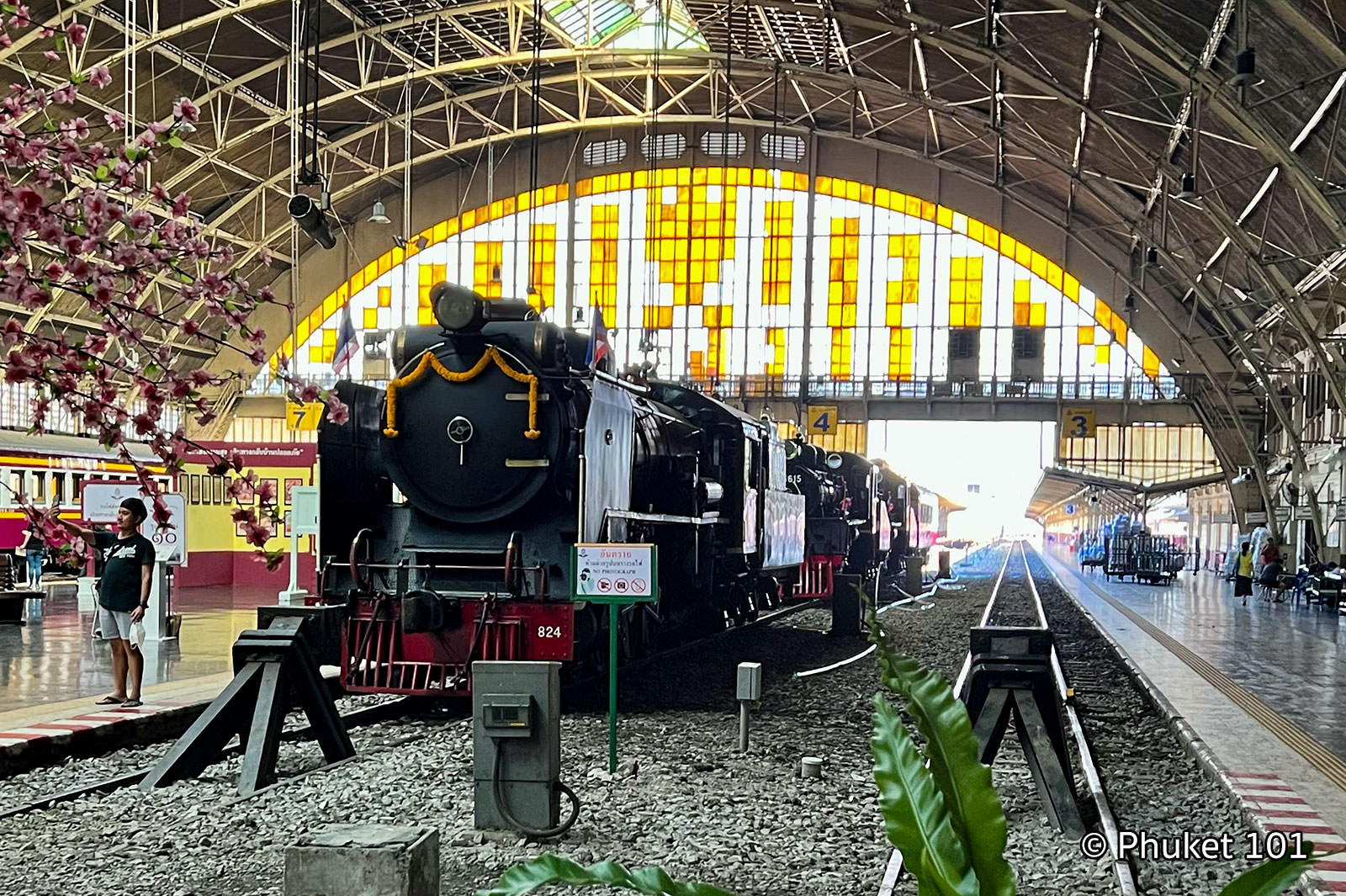
Hua Lamphong Railway Station is 107 years old, built in Italian Neo-Renaissance style with an arched dome and stained-glass windows. It’s no longer the main station (most long-distance trains now leave from Bang Sue), but about 62 routes still operate from here, mostly tourism and urban services.
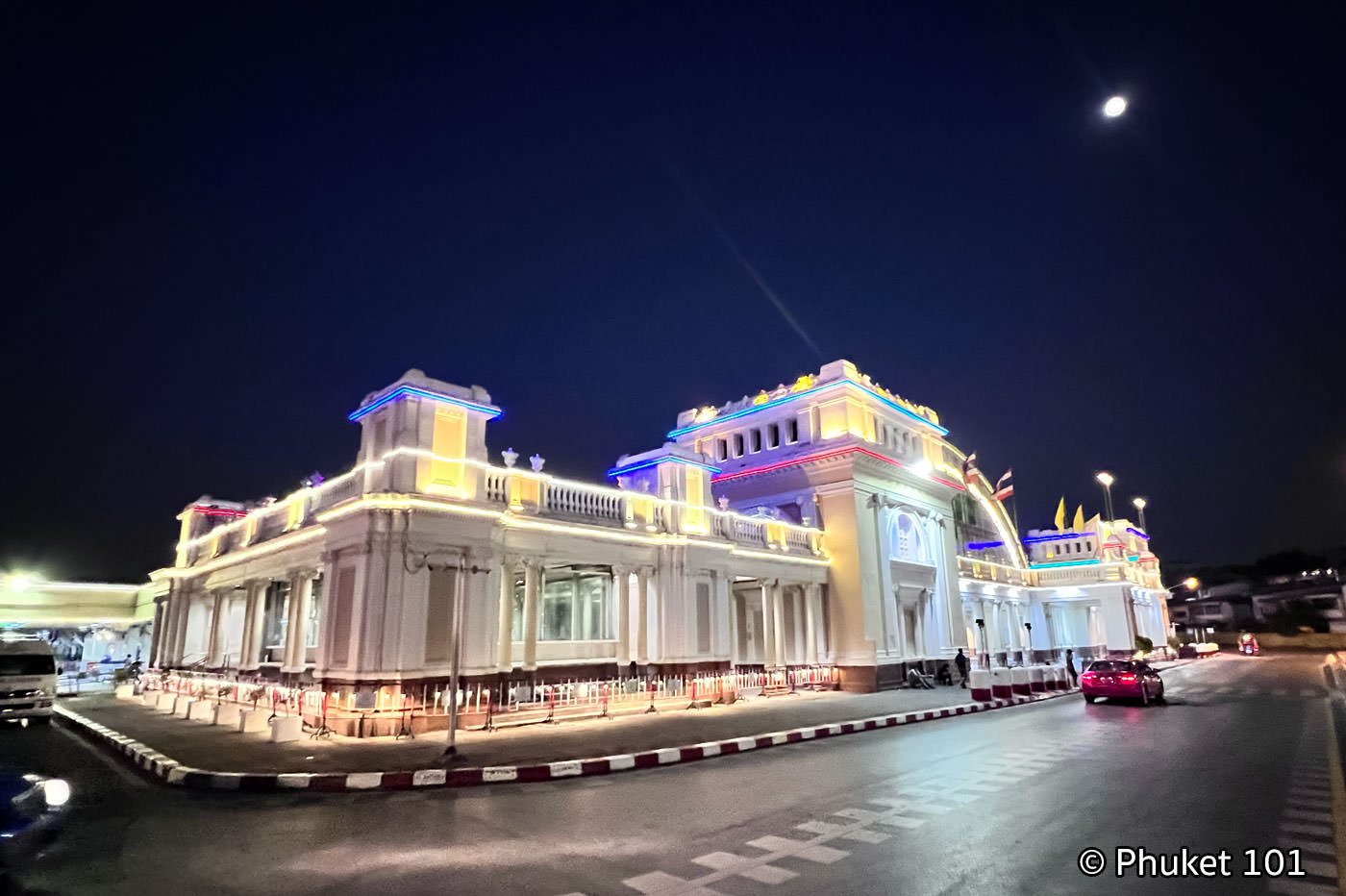
The main hall is much quieter than it used to be. Where thousands once rushed for trains across Thailand, now it’s mostly tourists taking photos. The platforms and old locomotives on display are worth a look.
The Thai Railway Museum is to the left of the main entrance, three floors of railway history. Free to enter and usually empty.
Talad Noi
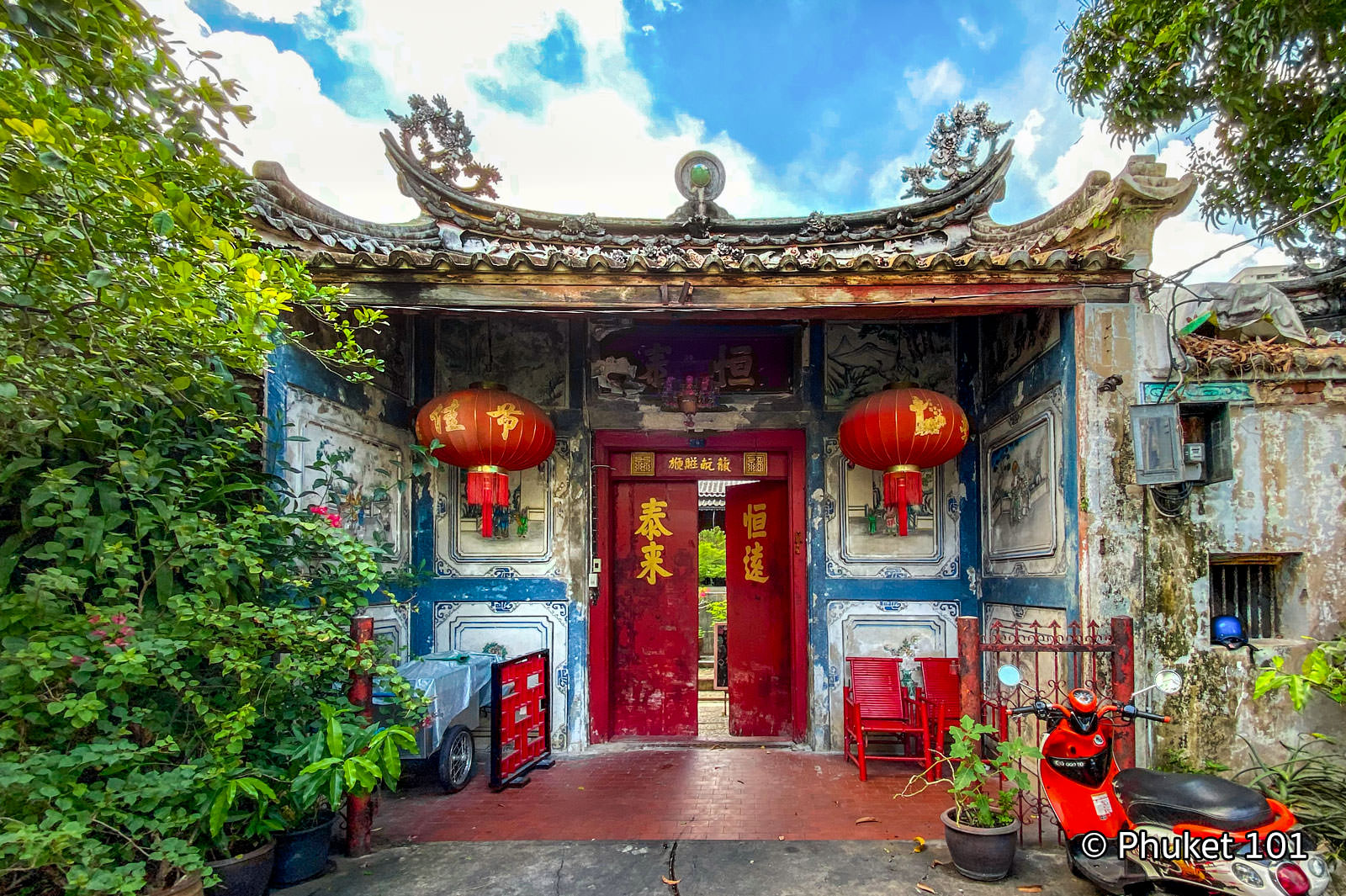
Talad Noi is one of Bangkok’s oldest neighbourhoods, a riverside area that predates Bangkok itself. The name means “small market” but there’s no market here anymore. What you’ll find instead: narrow streets lined with old Chinese shophouses, auto parts shops, temples, and a lot of street art.
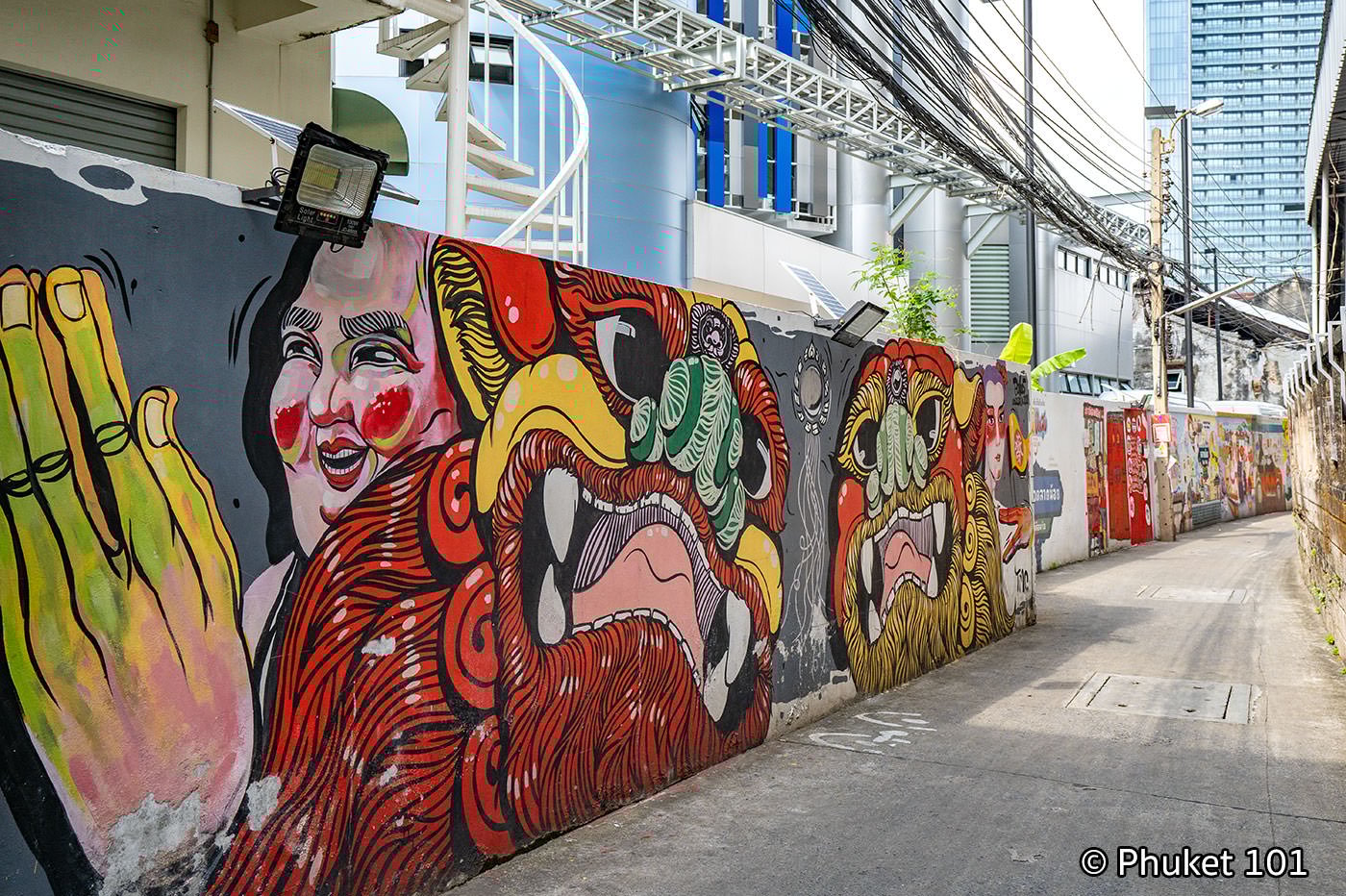
The murals appeared over the past few years, especially along Trok San Chao Rong Kueak. They mix Thai and Chinese themes with modern styles. Mother Roaster Café sits in the middle of the street art area, good coffee in a vintage setting. The famous Antique Turtle Car, a rusted Fiat 500 that’s been abandoned for decades, is one of the most photographed spots.
The area still feels like a real neighbourhood. People live and work here, running the same auto shops and small businesses their families have had for generations.
Where to Eat in Hua Lamphong
Banthat Thong Road
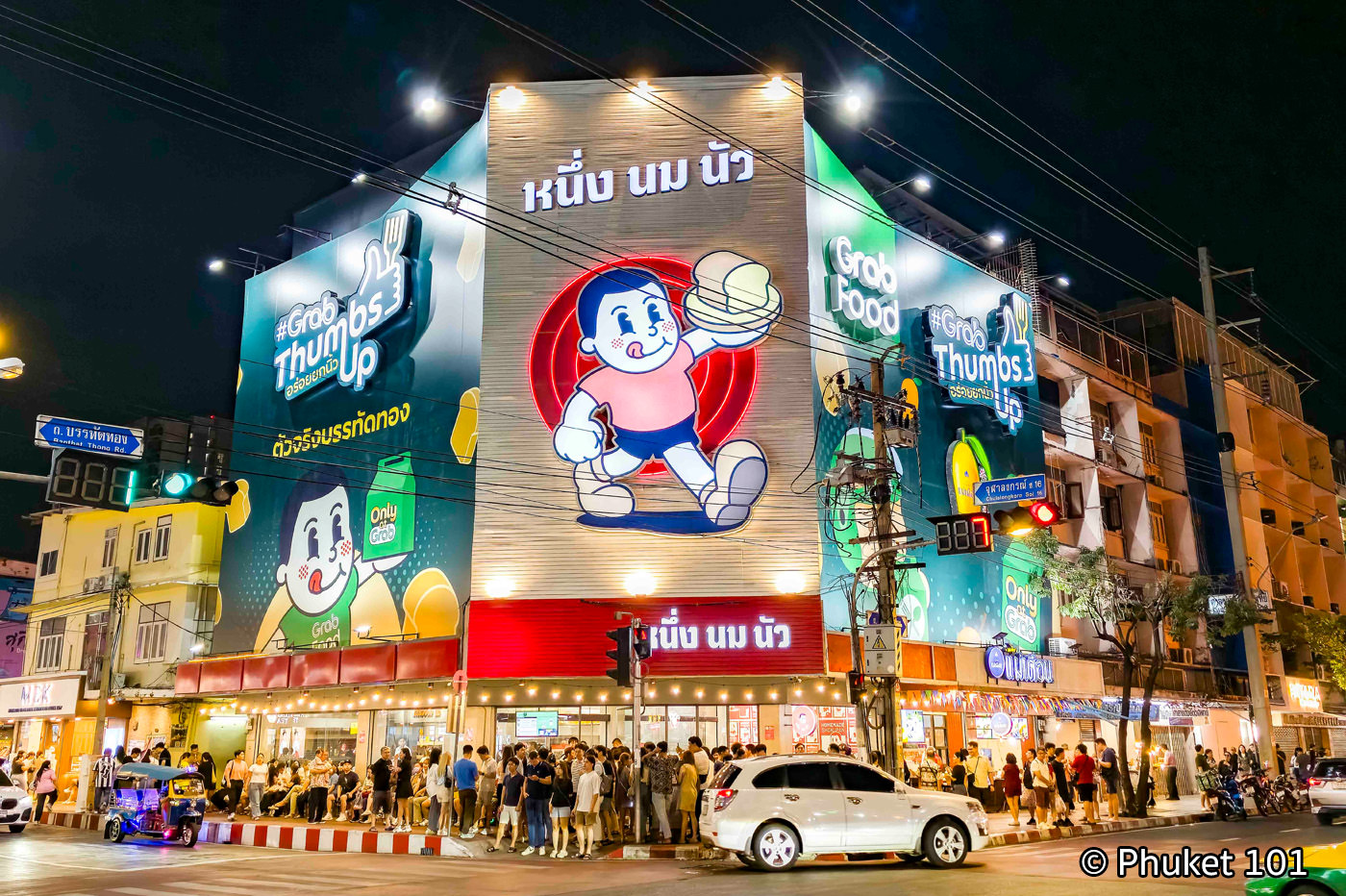
Banthat Thong Road has become a street food destination over the past few years. Locals call it “Yaowarat 2” after the famous Chinatown food street. The change happened after COVID when Chinatown got too crowded and vendors started setting up here instead. Now there’s Thai street food, Korean, Japanese, and more.
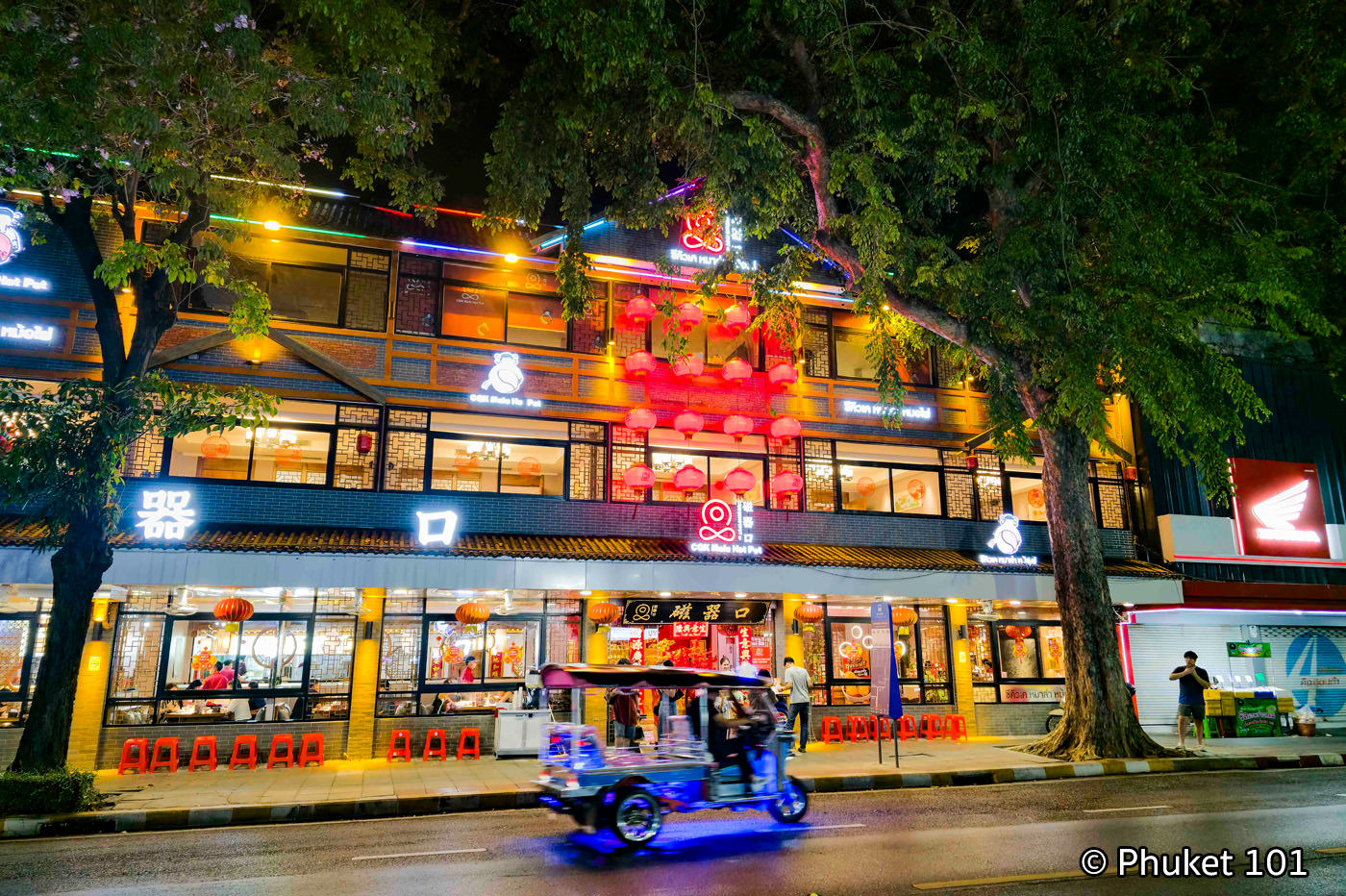
Some places to try: Jeh O Chula does the viral Mama Oho spicy noodles piled with seafood and meat. Gui Chai Tod Ar Pae has been making fried chive pancakes for over 40 years, 40 Baht and usually a queue.
The crowd is mostly university students and office workers at lunch, plus people who come specifically for the food.
Ros Dee Ded by Nop
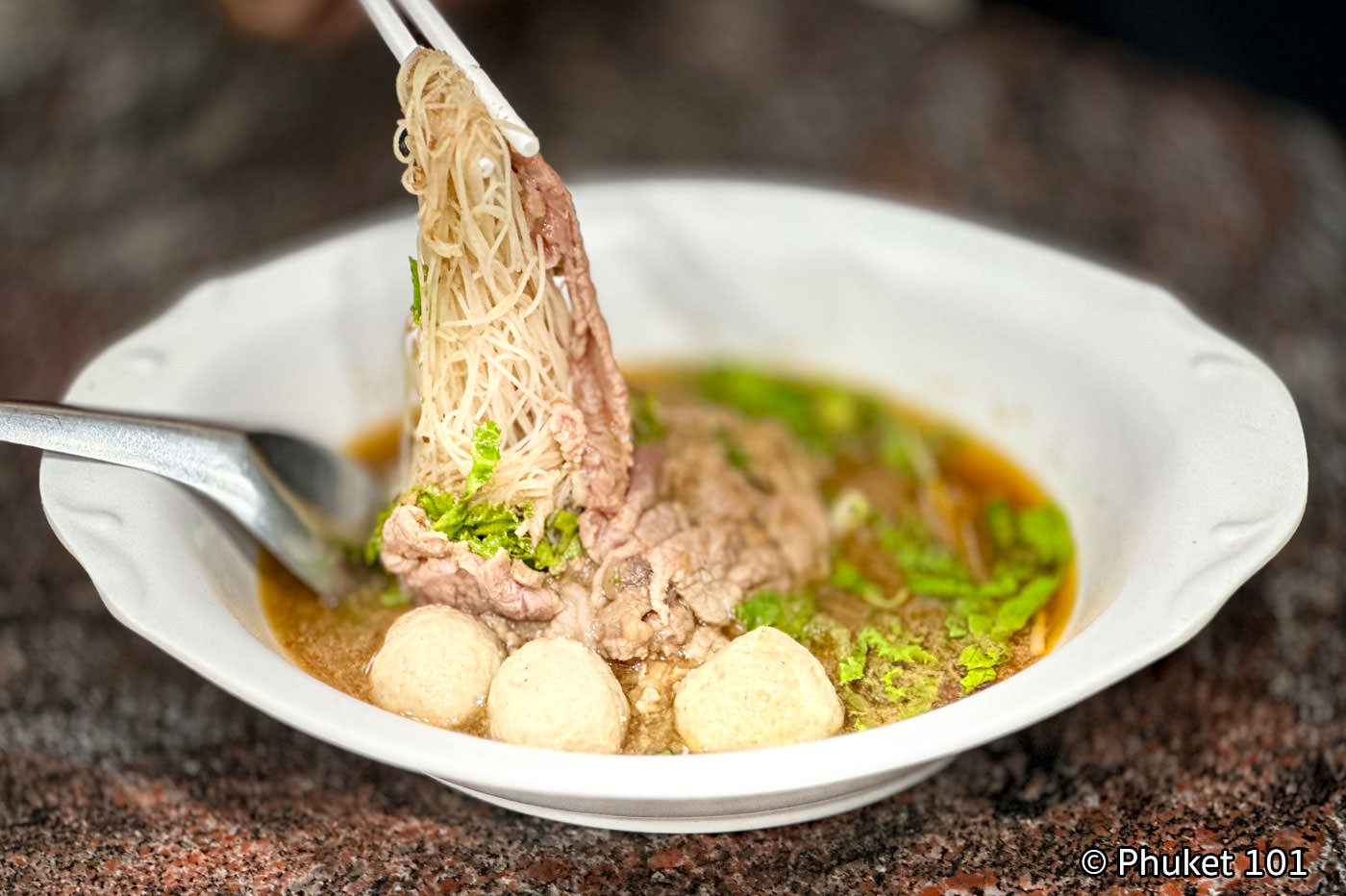
Ros Dee Ded on Rama 4 Road serves beef noodle soup with a distinctive taste at low prices. The name is well known in Bangkok. The original was in Siam Square, opposite Siam Paragon Shopping Mall.
What Else to See
Wat Traimit (Golden Buddha Temple)
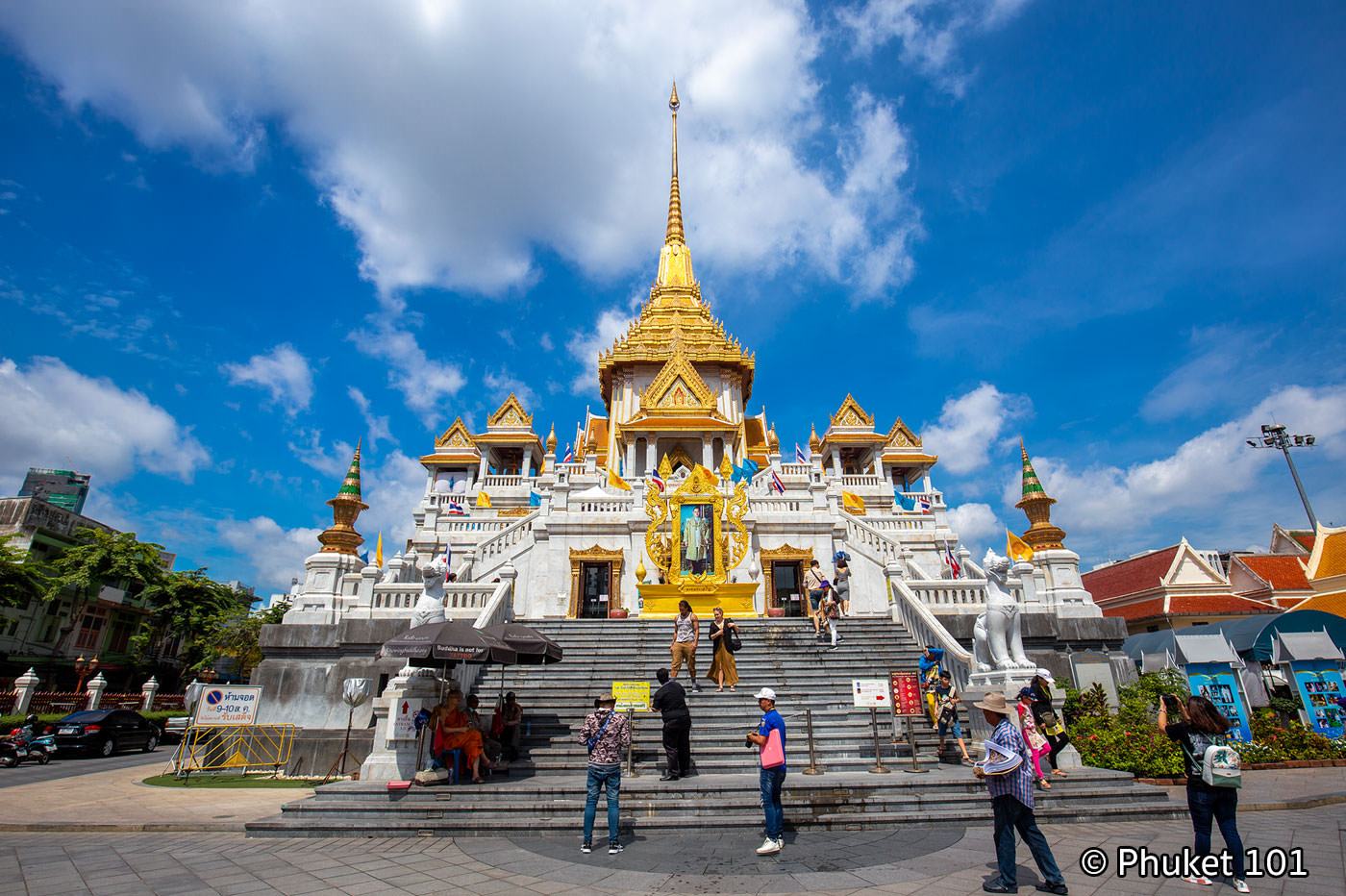
Wat Traimit has the world’s largest solid gold Buddha statue: 5.5 tonnes, nearly 10 feet tall. The statue was hidden under plaster for centuries to protect it from invaders. In 1955, workers moving it accidentally dropped it and the plaster cracked, revealing the gold underneath.
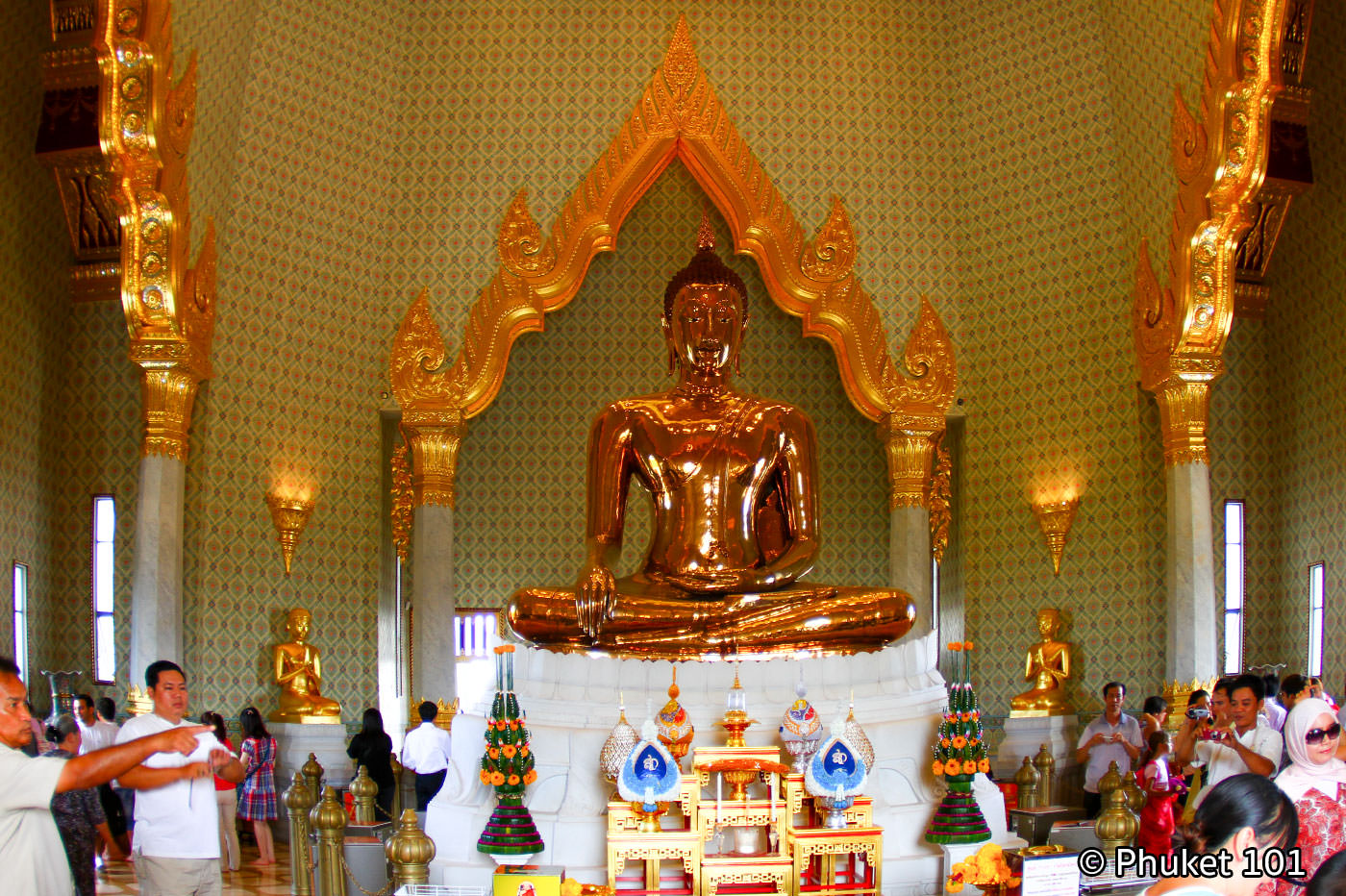
Second floor has a museum about Bangkok’s Chinese community. Third floor tells the statue’s story. Entry around 100 Baht. Good views from the top.
Wat Hua Lamphong (The Coffin Temple)
Wat Hua Lamphong, officially Wat Maha Phruettharam Worawihan, is near Sam Yan MRT. Built in 1917, it’s locally known as the “coffin temple” because it provides free coffins to families who can’t afford them.
The ordination halls are built on raised platforms with wide staircases, unusual for Thai temples. Wall murals inside, shrines to King Chulalongkorn. Open 24 hours. Visitors can make merit through candle-making, feeding temple cattle, or donating towards coffins. More of a local temple than a tourist attraction.
Samyan Mitrtown
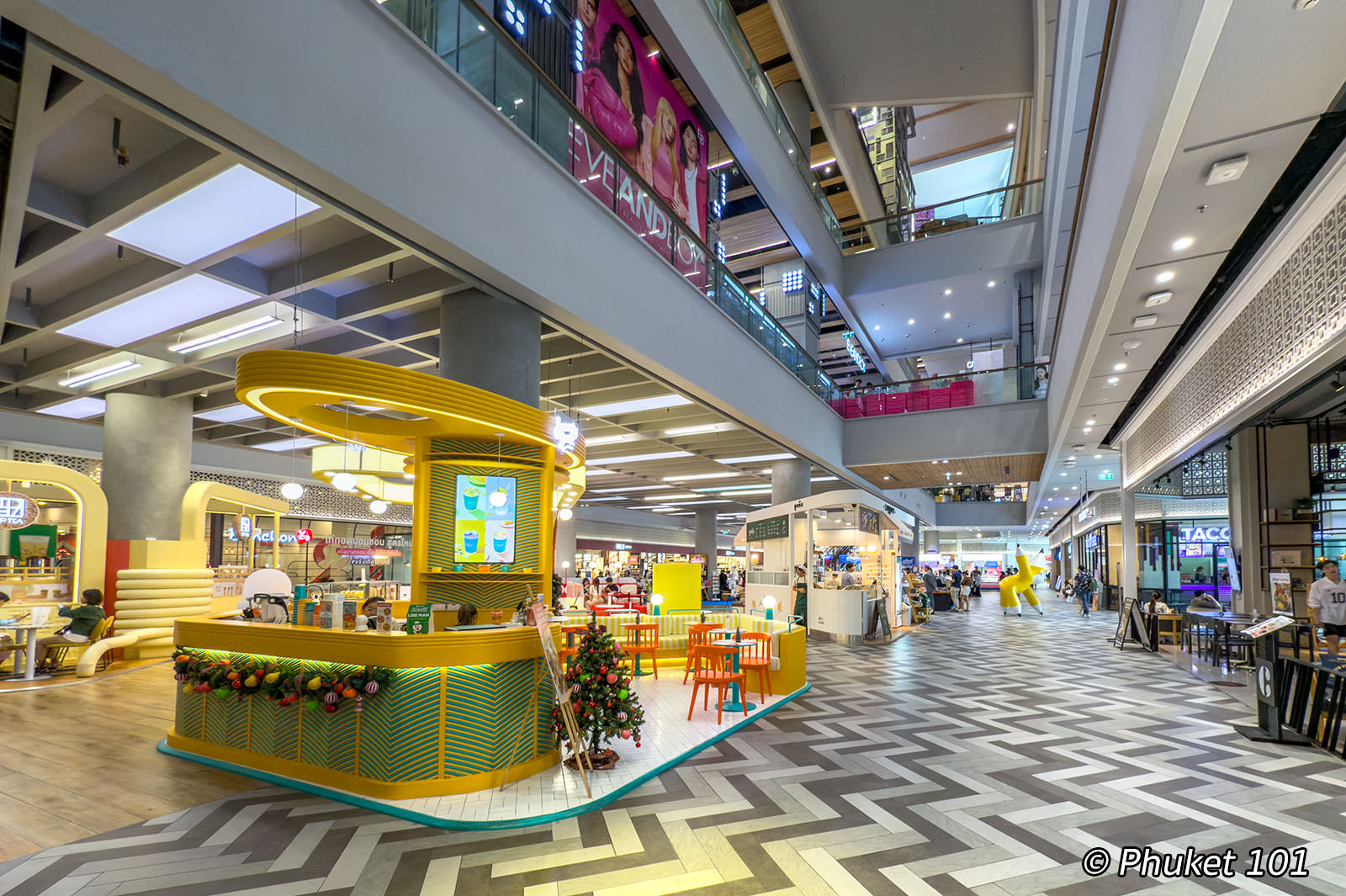
A newer mall with a 24-hour zone. Samyan CO-OP is a free co-working space with 500 seats, open around the clock. The 24-hour section includes supermarkets, cafés, and a gym that never closes. Useful if you need somewhere to work late or grab food at odd hours.
Holy Rosary Church
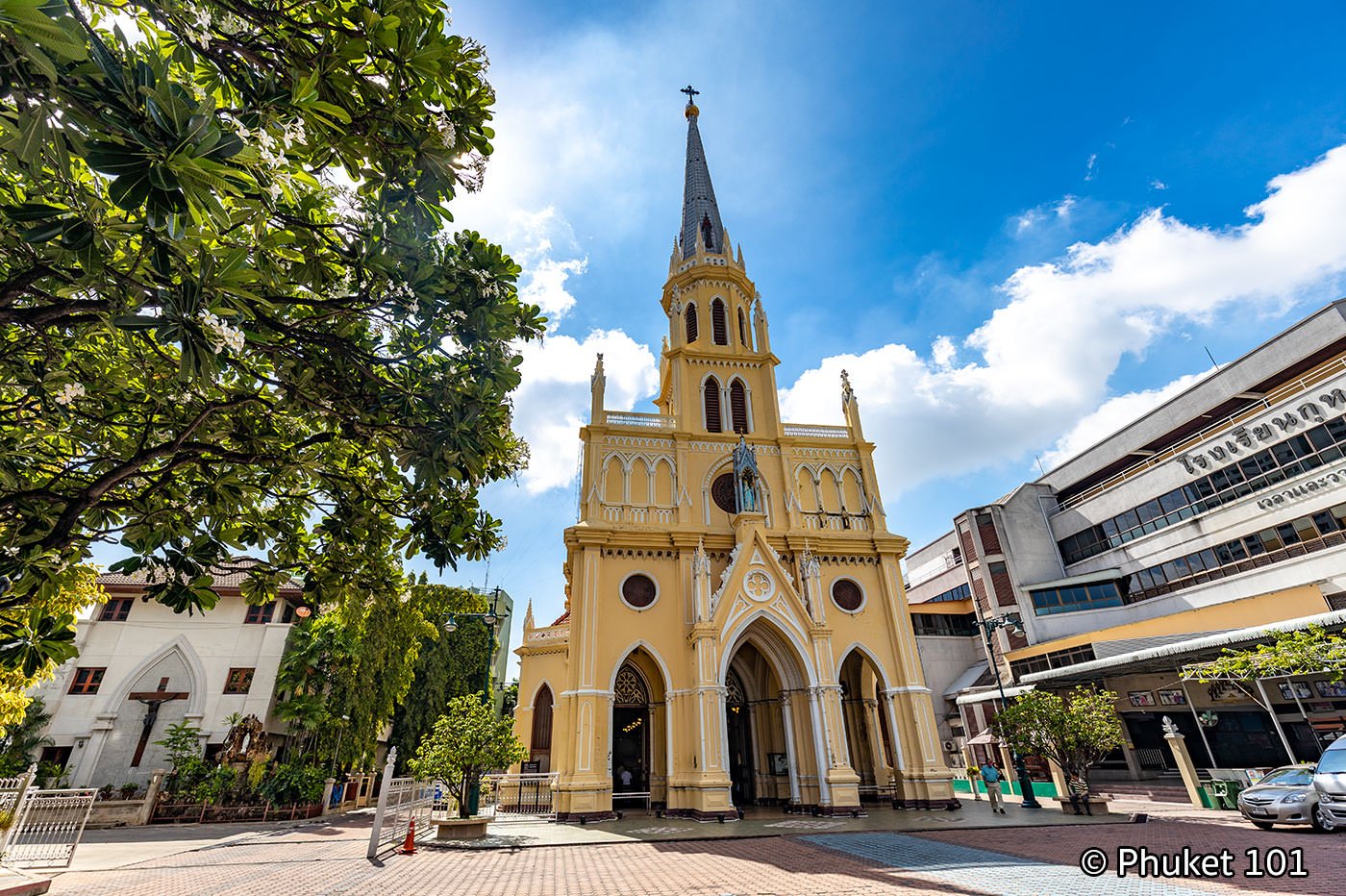
Also called Kalawar Church. Gothic Revival building on the Chao Phraya riverbank, built 1891-1897. Cream-coloured walls, tall spire, stained-glass windows with biblical scenes. One of the more recognisable buildings along the river. Still has an active congregation with services in Thai and Chinese.
Where to Stay in Hua Lamphong
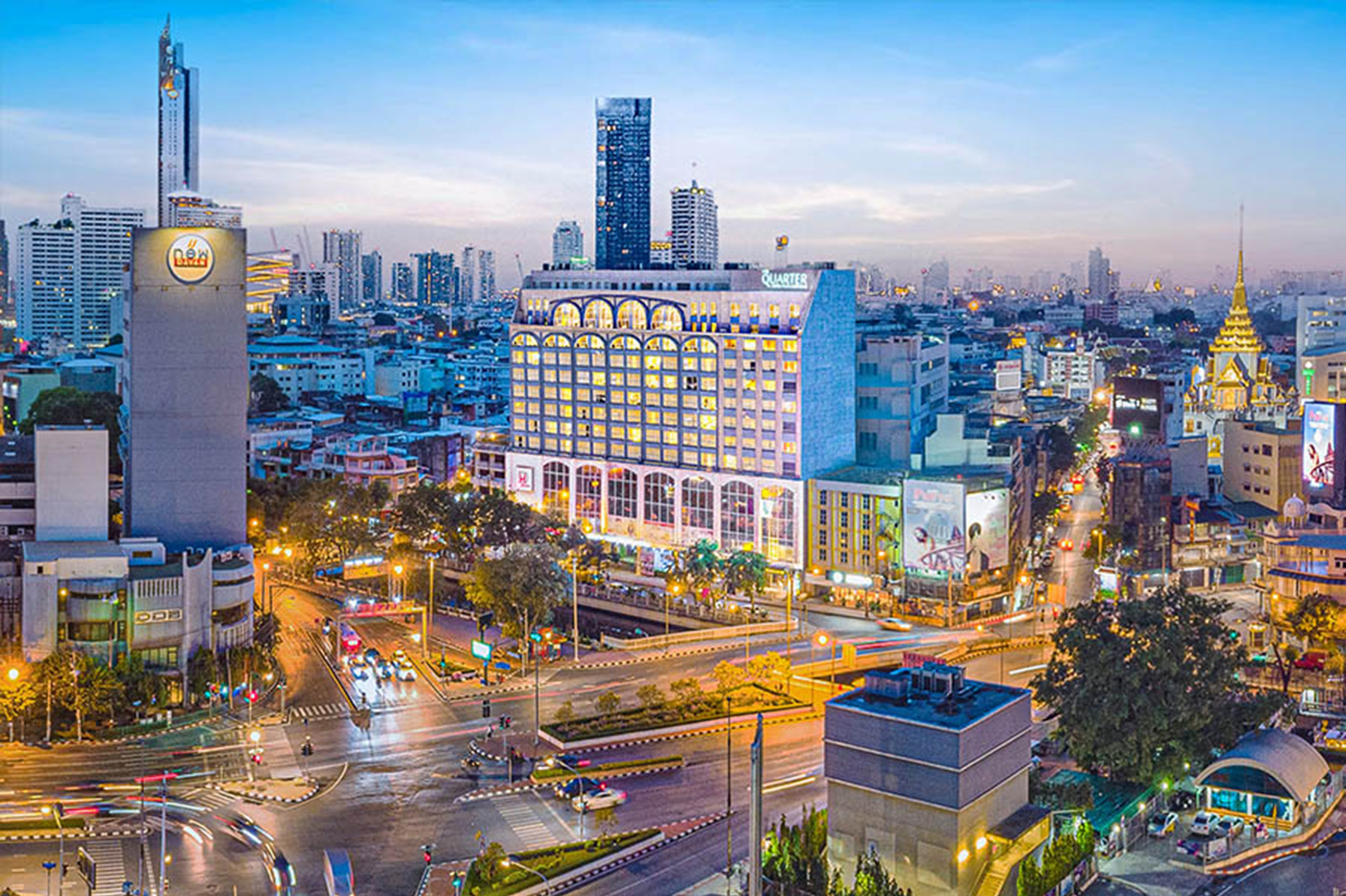
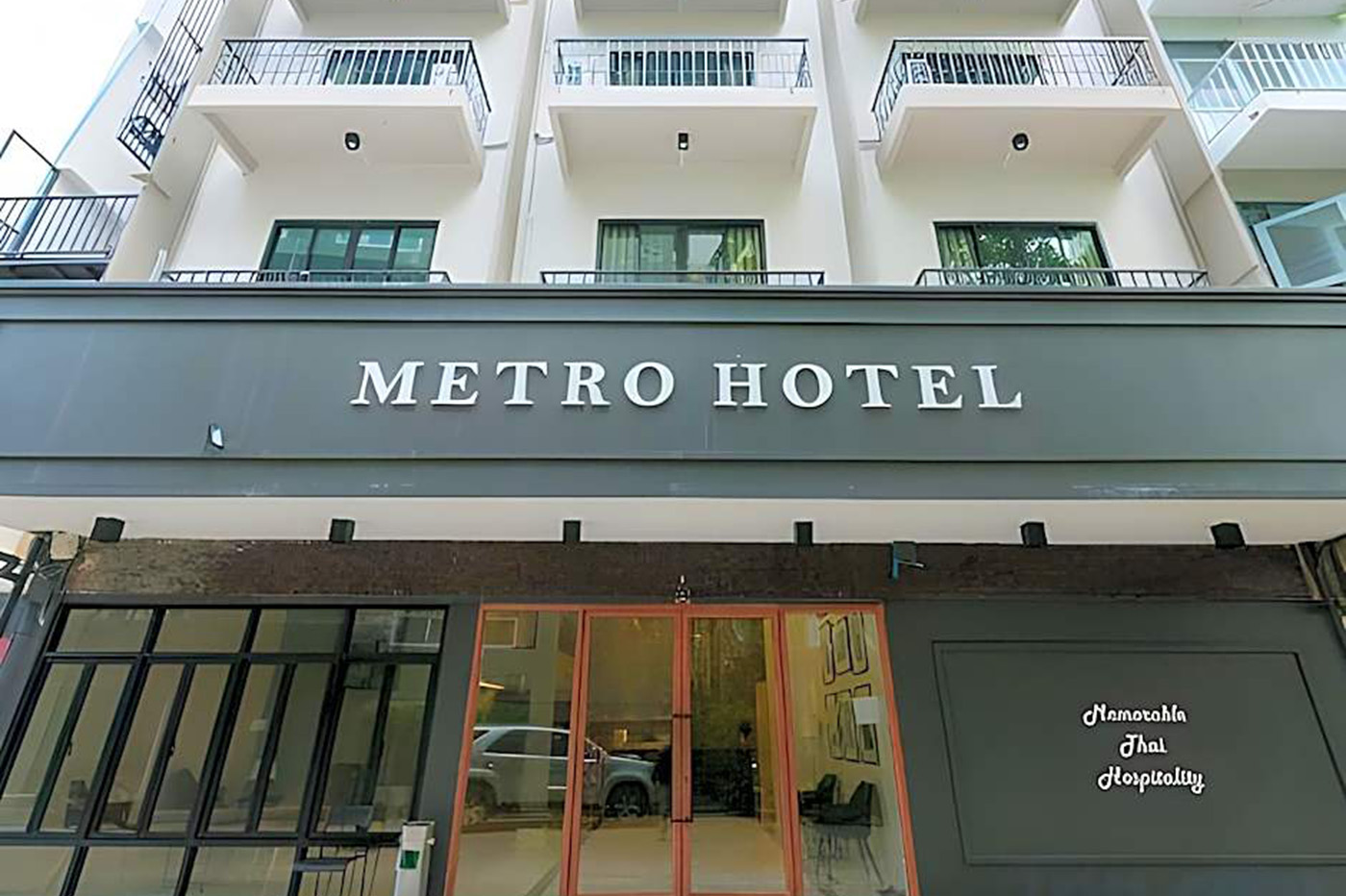
Bangkok Neighbourhoods
Bangkok Neighbourhoods